

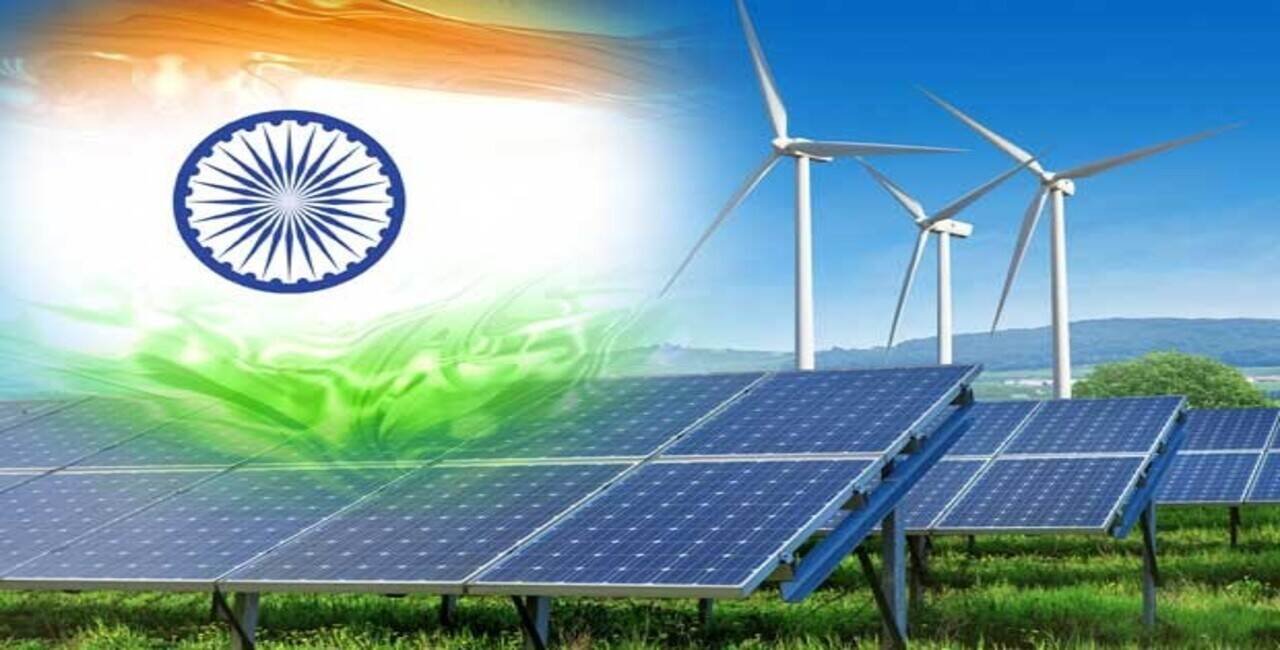
Solex Energy has urged India to boost domestic solar manufacturing amid concerns over China’s proposed technology export curbs.
Chetan Shah, Chairman and Managing Director of Solex Energy, has called for government incentives to strengthen domestic solar equipment production and reduce dependence on Chinese technology. His concerns follow China’s proposal to restrict exports of 12 key technologies used in manufacturing photovoltaic equipment, potentially affecting supply chains and India’s expanding solar manufacturing industry.
Why Could China’s Restrictions Affect India?
China has proposed export restrictions on 12 technologies used in solar equipment manufacturing, citing the need for closer monitoring because these technologies also have applications in aerospace, defence and other sensitive sectors.
According to Shah, China controls an estimated 75 to 90 per cent of the global solar supply chain. He warned that restrictions could create shortages of equipment and technology required for domestic manufacturing, potentially delaying projects and increasing pressure on tariffs. Speaking on the sidelines of the Renewable Energy India Expo 2026 in Greater Noida, Shah stressed the importance of preparing alternative supply arrangements.
FCRF’s Chief AI Officer Certification Returns on November 14 to Prepare Future AI Leaders
Where Does India’s Manufacturing Capacity Stand?
India had approximately 262 gigawatts (GW) of solar module manufacturing capacity as of June 2026, compared with only about 37 GW of solar cell capacity.
Shah identified this gap as a significant challenge, particularly as domestic manufacturers prepare to establish additional cell production lines. He also estimated India’s ingot-wafer capacity at 2 GW, while polysilicon manufacturing capacity remained nil. He noted that much of the installed manufacturing capacity relies on older MONO PERC technology, while several facilities are non-operational.
What Government Support Has Been Proposed?
Shah has recommended extending the implementation timeline of ALMM-II by at least 12 months and including all categories of solar projects within its scope.
ALMM-II requires manufacturers to source made-in-India solar cells from an approved list of module manufacturers. Shah argued that additional time would allow companies to fulfil existing orders while developing domestic cell manufacturing capacity. He also proposed dedicated production-linked incentives, capital subsidies and a manufacturing initiative for critical photovoltaic equipment, spare parts and consumables.
How Can India Reduce Its Dependence on China?
Shah suggested strengthening technology partnerships with the United States, European Union, Japan, Korea and Taiwan to secure alternative sources of equipment and manufacturing technology. He also recommended cooperation with Indian capital-goods companies, CSIR laboratories and IITs to develop domestic manufacturing capabilities.
Government-to-government technology partnerships could support these efforts, while diplomatic engagement with China could help protect existing orders and contracts already under execution.
The concerns highlight India’s manufacturing imbalance between solar modules and cells. Strengthening domestic production and diversifying technology suppliers could help reduce potential supply disruptions, although the impact of China’s proposed restrictions remains uncertain.
Follow for daily updates on cybercrime, corporate fraud, DFIR, hacking, investigations, and digital forensics
