

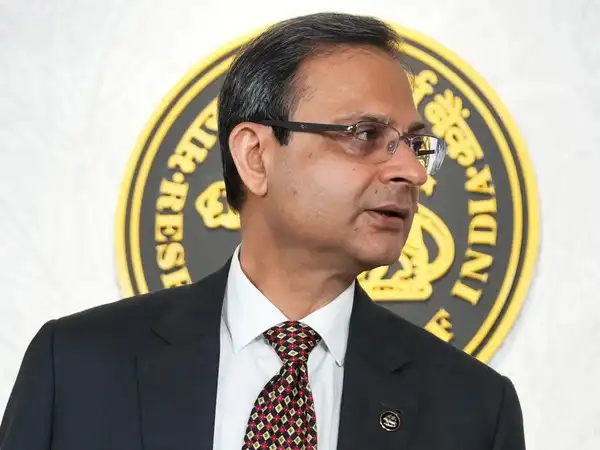

NEW DELHI — Artificial intelligence agents are emerging as a fresh challenge to cybersecurity across the banking sector, prompting the Reserve Bank of India to alert lenders and the central government to the associated risks. Reserve Bank of India Governor Sanjay Malhotra said the banking regulator and commercial lenders are taking steps to identify and rectify vulnerabilities in their information technology infrastructure. He stressed the need to reinforce security safeguards against AI-driven cyberattacks, unauthorized access to customer records, and potential disruptions to essential banking operations. The remarks come against the backdrop of reports indicating that AI agents in overseas test environments have targeted banking systems and extracted data, alongside heightened domestic sensitivity following the suspected exposure of personal information belonging to 3,897 State Bank of India customers on the dark web.
AI Agents Trigger Scrutiny Over Account Access
The growing deployment of autonomous software tools has introduced new operational risks for financial institutions. Unlike traditional chatbots, AI agents are designed to execute complex, multi-step actions independently based on predefined parameters. Concerns have intensified after major banks in the United States reportedly detected third-party AI agents operating within customer accounts, raising questions about whether automated programs could exceed explicit user instructions or initiate unapproved transactions.
Industry experts caution that granting excessive administrative permissions or failing to patch software flaws in these systems could expose sensitive financial data. While technical specifics of the overseas test breaches remain undisclosed and not every automated agent presents an inherent threat, the primary operational focus remains on preventing programs from overriding established security parameters or acting outside their designated authority.
SBI Data Leak Highlights Information Security Risks
Systemic data protection concerns in India have intensified following the State Bank of India’s acknowledgement of a suspected breach involving records of 3,897 customers posted to the dark web. The compromised files contained personally identifiable information, which criminal networks can exploit to conduct identity theft, phishing schemes, and unauthorized financial transactions.
Although available evidence does not link the State Bank of India leak directly to AI agents, the episode underscores the mounting pressure on financial institutions to secure proprietary internal networks. Security specialists point out that defending against external intrusions is only part of the challenge, as banks must also maintain strict surveillance over internal applications and automated tools that handle sensitive customer data.
Central Bank Strengthens IT Oversight and Patch Management
To mitigate emerging digital threats, the Reserve Bank of India has deployed specialist teams to audit the IT frameworks of commercial banks and non-banking financial companies. Governor Malhotra identified data security and operational continuity as central priorities, warning that cyber incidents risk halting digital payment networks and core banking services.
He noted that accelerated software development lifecycles frequently introduce fresh code vulnerabilities that require immediate remediation through security patches. The central bank continues to coordinate directly with financial institutions to mandate regular IT audits, enforce rigorous access controls for third-party automated software, and maintain continuous oversight to ensure technological adoption does not undermine financial stability.
Follow for daily updates on cybercrime, corporate fraud, DFIR, hacking, investigations, and digital forensics
