
Follow us on Google News

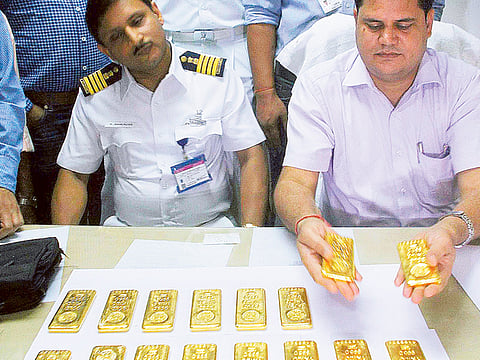
Gold smuggling into India jumped by more than 1,500 percent during the July to September quarter of 2026, reaching 50 metric tons as elevated import duties steered trade into unofficial channels. According to a report by the World Gold Council citing data from consultancy Metals Focus, informal shipments increased sharply from three tons recorded in the same period a year earlier. The surge represents the highest level of illegal inflows since 2023, reflecting a substantial revival of the grey market in the world’s second-largest consumer of the precious metal.
Higher Import Levies Fuel Gray Market Trade
The rapid expansion of the informal bullion market follows the central government’s decision earlier this year to more than double import levies on gold and silver to 15 percent. The policy intervention was introduced to rein in bullion purchases and narrow a trade deficit aggravated by higher energy prices. However, the higher tax structure widened the price disparity between formal supplies and untaxed goods, creating a strong financial incentive for smuggling operations and individual couriers bringing in undeclared quantities. The World Gold Council observed that past tax hikes have consistently stimulated illicit inflows, as traders routinely bypass customs barriers to maintain commercial margins.
Cash Transactions Rise Amid High Domestic Demand
Beyond illicit border shipments, the tax hike has encouraged households across the country to turn to under-the-counter cash purchases. Buyers and retail jewelers are increasingly settling transactions in cash without formal invoices that can be monitored by tax authorities. Because India has negligible domestic gold production, consumer demand relies almost entirely on imports, creating consistent pressure on external trade. Traditional demand remains anchored in family savings, personal adornment, births, weddings, and religious festivals, ensuring persistent appetite despite policy measures intended to discourage bullion intake.
Festive Buying Stalls as Prices Correct
While overall gold demand across jewelry and investment categories improved over the previous quarter, broader indicators show an ongoing contraction compared to the previous year. Consumption typically surges during the final calendar quarter, driven by festivals such as Diwali, yet expected buying momentum has failed to materialize. Domestic jewelers are refraining from building large inventories, as noted by the country’s largest precious metal refiner. The hesitation stems from a recent price decline, marked by a 6.8 percent slide in October that pushed international gold below the key threshold of 4,000 dollars an ounce. With market participants anticipating further market corrections, retail restocking remains subdued despite the approaching festive peak.