

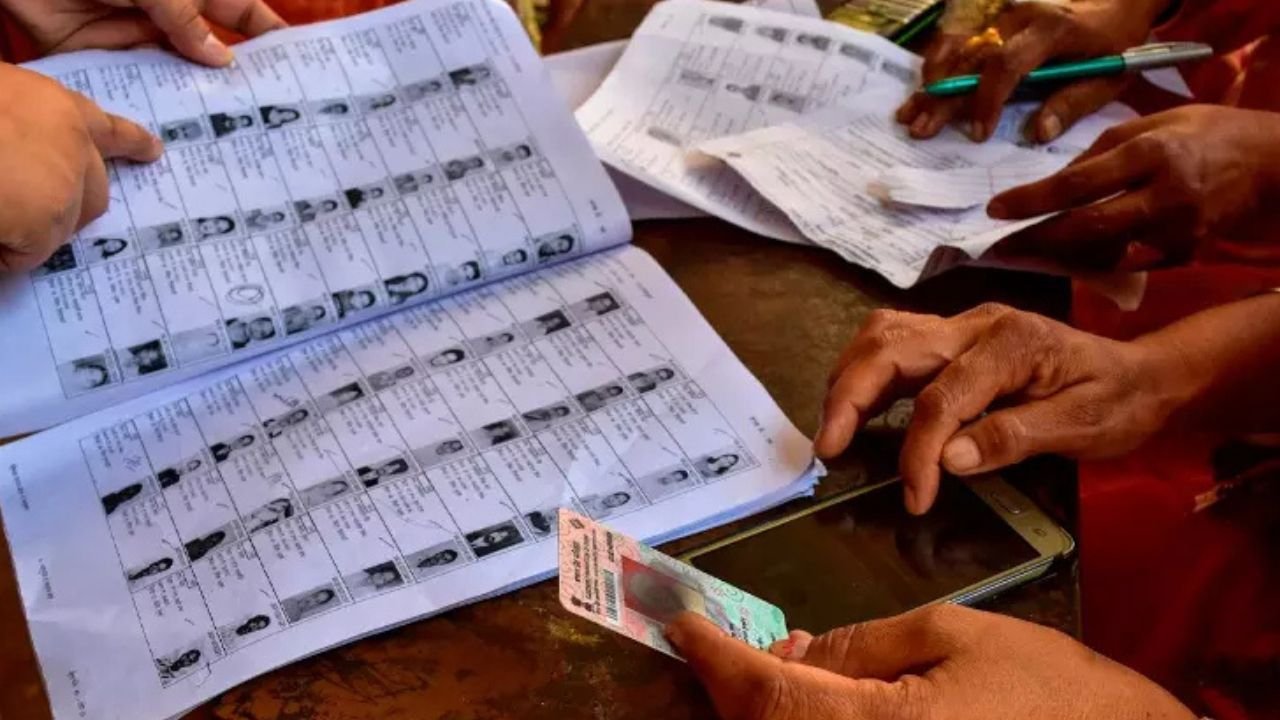

Kolkata | December 16 | An unusual case has surfaced from West Bengal during the ongoing Special Intensive Revision (SIR) of electoral rolls, drawing the attention of election authorities and state officials. According to officials familiar with the matter, information related to the citizenship and identity of a family in the Kakdwip area of North 24 Parganas district has triggered a closer administrative review.
Preliminary inputs suggest a complex cross-border family profile, with the husband reportedly being a Bangladeshi national, the wife claimed to be a citizen of Myanmar, and the husband’s parental family residing in India. The case came to light as part of the SIR process, which aims to cleanse electoral rolls by identifying and removing ineligible names while ensuring that only eligible Indian citizens remain registered as voters.
Administrative sources said the issue was identified during routine verification of voter data, following which primary checks were initiated based on locally available information and documents. Officials stressed that the matter is currently at an initial stage and that no conclusions have been drawn so far.
Details emerging from the verification exercise
According to local reports, the woman residing in the Kakdwip area is currently known as Krishna Das, while her original name is reported to be Aye Thandar. It is being claimed that she is a native of Myanmar and arrived in India recently along with her husband. The husband is said to be a Bangladeshi citizen, while his extended family is based in India.
Sources have further indicated that the woman is around five months pregnant and is reportedly in possession of a Myanmar voter identity document, which, if authenticated, would point to her foreign nationality. Officials, however, have underlined that none of the documents cited in media reports have yet been officially verified.
Election authorities have cautioned against drawing inferences at this stage, noting that names, identities and documents mentioned in preliminary reports are subject to verification through established legal and administrative processes.
Administrative response and next steps
Senior officials involved in the SIR exercise described the case as sensitive and said it is being examined with due care. The verification process will include scrutiny of identity papers, citizenship-related documents, immigration records and proof of residence. Authorities will also assess how the individual’s name was added to the voter rolls and whether any procedural lapses occurred during earlier revisions.
A senior official said cases flagged during SIR must be handled strictly in accordance with law. “Initial information can sometimes be incomplete or misleading. Any final determination will be made only after all documents are verified and due process is followed,” the official said.
Heightened focus on the SIR process
Experts tracking electoral reforms say that cases of this nature, while rare, underline the importance of regular and rigorous voter roll audits, particularly in border and coastal regions. Over time, voter lists undergo multiple updates, and factors such as migration, marriage, and changes in identity can complicate record-keeping.
Election management specialists point out that SIR exercises are designed precisely to detect such anomalies. At the same time, they stress the need to balance legal compliance with humanitarian considerations, especially in cases involving families and vulnerable individuals.
Caution urged before conclusions
Both officials and independent experts have emphasised that no assumptions should be made until the verification process is complete. The case remains under preliminary examination, and its outcome will depend entirely on documentary evidence and official findings.
The development serves as a reminder of the administrative challenges involved in maintaining the integrity and accuracy of electoral rolls. As the SIR exercise continues nationwide, authorities say sustained vigilance, transparency and adherence to due process will be critical to preserving the credibility of the electoral system.
