

INDORE: A decade after the Madhya Pradesh Professional Examination Board’s medical entrance test was tainted by impersonation and forged identities, a special court in Indore has delivered another judgment in the sprawling Vyapam scandal, underscoring how small, tightly run networks exploited weaknesses in India’s competitive examination system.
A Verdict in an Old Case
On December 27, a special court hearing Vyapam cases in Indore sentenced 12 people to five years of rigorous imprisonment for their roles in cheating and impersonation during the MP Pre-Medical Test (PMT) of 2011. The court also imposed a fine of ₹6,000 on each of the convicted.
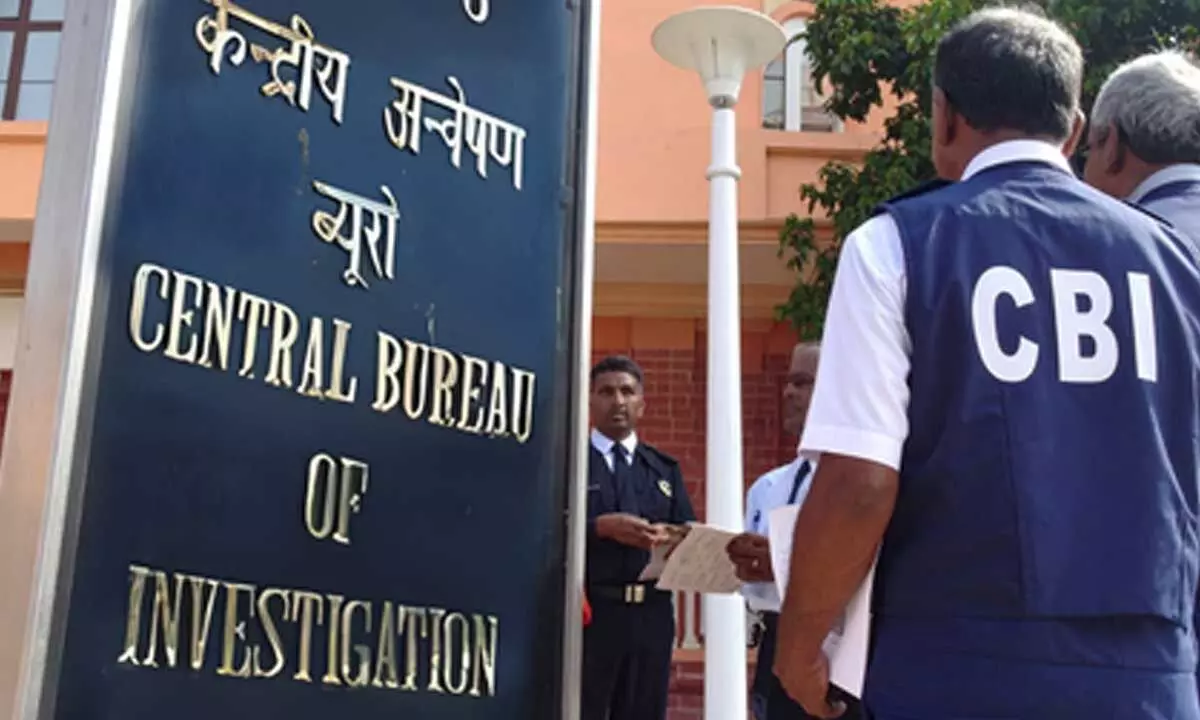
The case was prosecuted by the Central Bureau of Investigation, which took over the investigation after directions from the Supreme Court of India. The convictions add to the long judicial trail of the Vyapam scam, a scandal that came to symbolize systemic vulnerabilities in recruitment and entrance examinations in Madhya Pradesh.
Who Was Convicted
According to the CBI, those convicted included candidates who sought unfair advantage, impersonators who sat the examination in their place, and middlemen who coordinated the operation. The accused named in the judgment are Ashish Yadav alias Ashish Singh, Satyendra Verma, Dheerendra Tiwari, Brijesh Jaiswal, Durga Prasad Yadav, Rakesh Kurmi, Narendra Chaurasiya, Abhilash Yadav, Khoob Chand Rajput, Pawan Rajput, Lakhan Dhangar and Sunderlal Dhangar.
Another accused, Deepak Gautam, was a juvenile at the time of the offence. His case had already been disposed of by the Juvenile Justice Board in Indore in July 2022, with the imposition of a penalty and execution of a bond under the Juvenile Justice Act.
How the Impersonation Was Detected
The case traces its origins to July 24, 2011, when officials detected impersonation during the MP PMT examination conducted by the Vyapam board. Satyendra Verma was caught red-handed while appearing in the exam as Ashish Yadav, triggering the registration of a first information report at Tukoganj police station in Indore.
Initially, the state police filed a charge sheet against two accused. The scope of the case expanded later, after the Supreme Court ordered the matter to be re-registered and investigated by the CBI, placing it within the broader judicial scrutiny of Vyapam-linked cases.
Inside the Network the CBI Described
Investigators said the impersonation was not an isolated act but part of a coordinated arrangement. Middlemen, the CBI told the court, recruited impersonators, brought them to Indore, arranged their accommodation in hotels, and ensured they appeared for the examination using forged documents and admit cards.
The prosecution relied on documentary evidence, hotel records and disclosures made during the investigation to establish a conspiracy involving candidates, impersonators and intermediaries. After trial, the court accepted this chain of evidence and convicted the accused accordingly.
