

Vijayawada: City police have busted a mule account racket allegedly facilitating cyber fraud operations across several states, arresting three men accused of opening and misusing bank accounts to channel illicit funds for online scammers.
The accused were identified as Rayapati Ravi Kumar (A1), Rayapati Stephen (A2) and Yarraguntla Baji (A3) — all residents of Yanamalakuduru. Investigators said the trio operated on a commission basis, providing access to bank accounts that were later used by cybercriminals working from unidentified locations.
Certified Cyber Crime Investigator Course Launched by Centre for Police Technology
The arrests followed a joint operation by Cybercrime Police and Krishna Lanka Police under the supervision of South Zone Assistant Commissioner of Police D Paavan Kumar. Acting on specific intelligence inputs, multiple teams carried out coordinated raids in the Yanamalakuduru Karakatta area and took the suspects into custody.
Police said the breakthrough came after a tip-off revealed that residents of Bhavanipuram, Krishna Lanka and surrounding localities were being lured with small cash incentives to open bank accounts. These accounts were subsequently handed over to cyber fraud networks, forming a crucial link in a larger interstate scam ecosystem.
Based on the information, Cybercrime Police registered a case and launched a technical investigation, analysing transaction trails and mobile data. The operation was conducted on the directions of NTR district Police Commissioner SV Rajashekhara Babu, with teams led by ACP D Paavan Kumar and Cybercrimes ACP B Rajasekhar.
Preliminary findings indicate that the mule accounts were used for a wide spectrum of cyber offences, including digital arrest scams, investment frauds, phishing, vishing, OTP-related frauds and other online crimes reported from Kerala, Maharashtra, Gujarat, Karnataka, Tamil Nadu, Delhi and Chhattisgarh.
“The accused were persuaded by the kingpin to open bank accounts for a meagre commission ranging between ₹5,000 and ₹10,000,” police said, adding that the arrested trio represents only one branch of a much larger network. “This requires detailed investigation to identify the masterminds and dismantle the entire gang.”
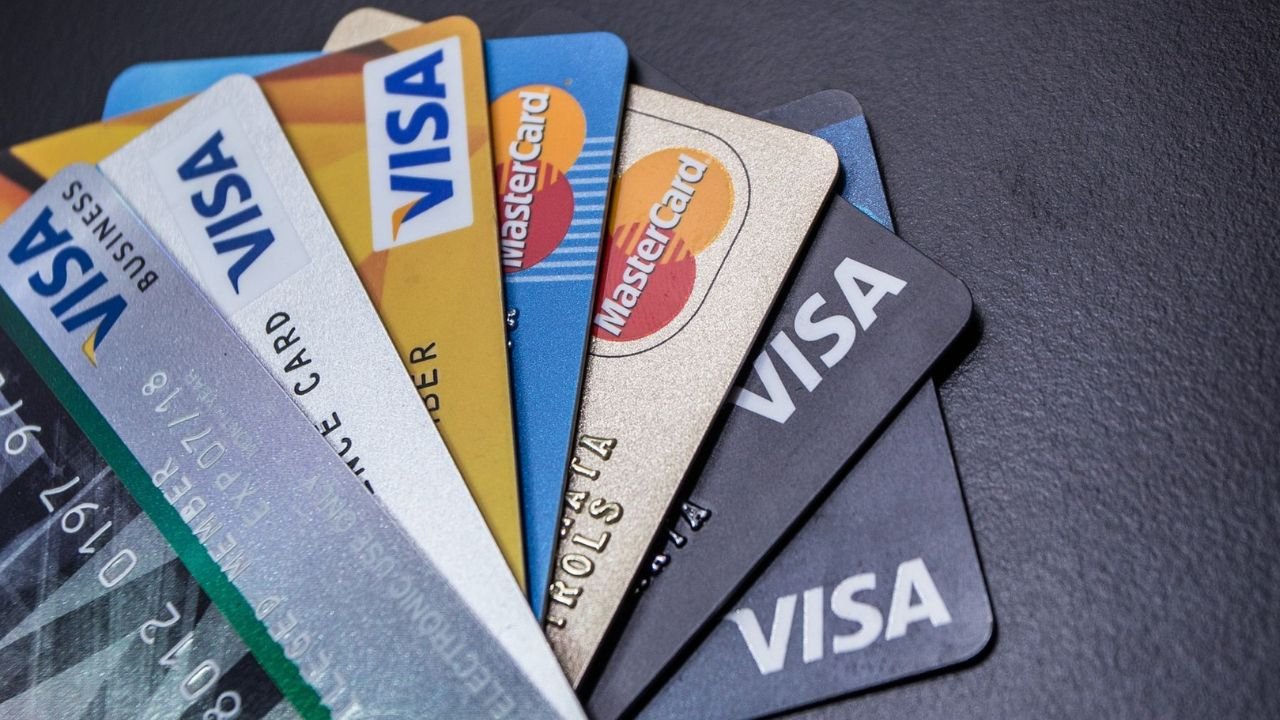
During searches conducted at the suspects’ premises, police seized ₹3.4 lakh in cash, two motorcycles, 21 mobile phones, 46 ATM cards, 21 cheque books, 16 bank passbooks and one laptop. Officers said the recovered material clearly pointed to systematic misuse of banking channels to move scam proceeds.
The accused were produced before the Third Additional Judicial Magistrate Court, which remanded them to judicial custody. Meanwhile, cyber teams have begun forensic analysis of the seized devices to map transaction flows and identify additional mule accounts linked to the operation.
Senior officials said mule accounts remain one of the most critical enablers of cybercrime, allowing fraudsters to quickly layer and withdraw money before victims realise they have been duped. Investigators are now working to trace upstream operators who recruited account holders and downstream beneficiaries who ultimately received the funds.
Police also issued a public advisory urging citizens not to open bank accounts for others or share ATM cards, cheque books, OTPs or online banking credentials in exchange for quick money. Authorities warned that even those who merely provide accounts can face serious criminal liability under existing laws.
Officials stressed that anyone suspecting misuse of their bank details or noticing unauthorised transactions should immediately inform their bank and report the matter on the national cybercrime portal, as early action significantly improves the chances of freezing funds.
Police said the investigation is ongoing, with further arrests likely as teams follow the digital money trail to uncover other collaborators and the alleged kingpin behind the interstate mule account network.
