
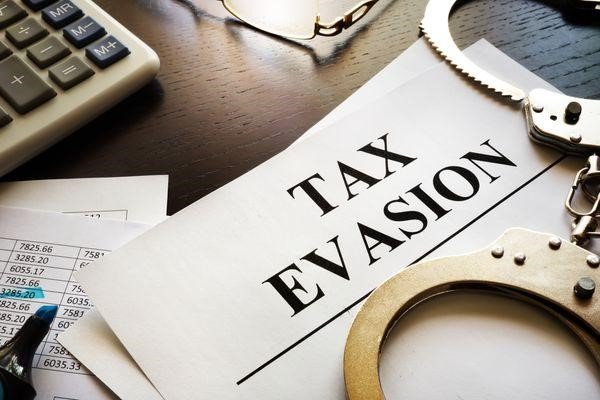
In Uttarakhand, the GST department along with the intelligence team conducted a high-level investigation that uncovered tax evasion of over ₹150 crore by a Sitarganj-based company. During the probe, officials themselves set up several shell companies to gain the firm’s trust and expose its full fraudulent network.
The investigation revealed that the company was supplying transformers while conducting purchase-sale transactions in the names of previously closed firms. The state tax department had been monitoring this company for four months. Operations were run from outside the state, raising suspicion, especially when business continued despite the first firm being shut down.
FCRF Launches Premier CISO Certification Amid Rising Demand for Cybersecurity Leadership
Months-Long Undercover Operation
Special Investigation Bureau Joint Commissioner Roshan Lal said that it took several months for officials to gain the company’s trust. The high-level team mapped the entire network using inputs from intelligence, income tax, the Ministry of Power, and AI technology. A total of 32 officers gathered evidence and analyzed the data.
It was found that the company had been operational since 2017. After closing the first firm, a second firm was opened to continue the covert operations of the original company. Upon obtaining concrete evidence, the department cross-verified GST portal data, banking records, income tax files, and tender documents from the Ministry of Power before concluding the investigation.
Network of Shell Companies and Mode of Fraud
Officials said that tax evasion was being carried out on a large scale through fake companies. The registered addresses of these firms were not real, and there were no functional offices. The department also discovered that the company misused documents of poor and needy individuals to run firms in their names while maintaining full control over banking and financial activities.
During the investigation, officials emphasized that stringent verification and checks before registering companies are crucial to prevent such frauds. Experts noted that strict compliance with regulations could have prevented such large-scale tax evasion.
Departmental Cooperation and Technical Assistance
To collect inputs and gain the firm’s trust, officials from GST, intelligence, income tax, and the Ministry of Power actively participated. AI technology was used to analyze the large network and financial transactions. Officials said that such high-level operations would also help identify potential frauds in other states.
STF and the department have initiated legal proceedings, and the in-depth investigation is ongoing. Officials are ensuring that systemic loopholes are addressed to prevent future fraud.
The probe also revealed that the accused company used multiple closed firms under its name to conceal its activities. The department confirmed that after exposing the network, similar checks would be expanded to other states to prevent systemic loopholes from being exploited again.
About the author – Ayesha Aayat is a law student and contributor covering cybercrime, online frauds, and digital safety concerns. Her writing aims to raise awareness about evolving cyber threats and legal responses.
