
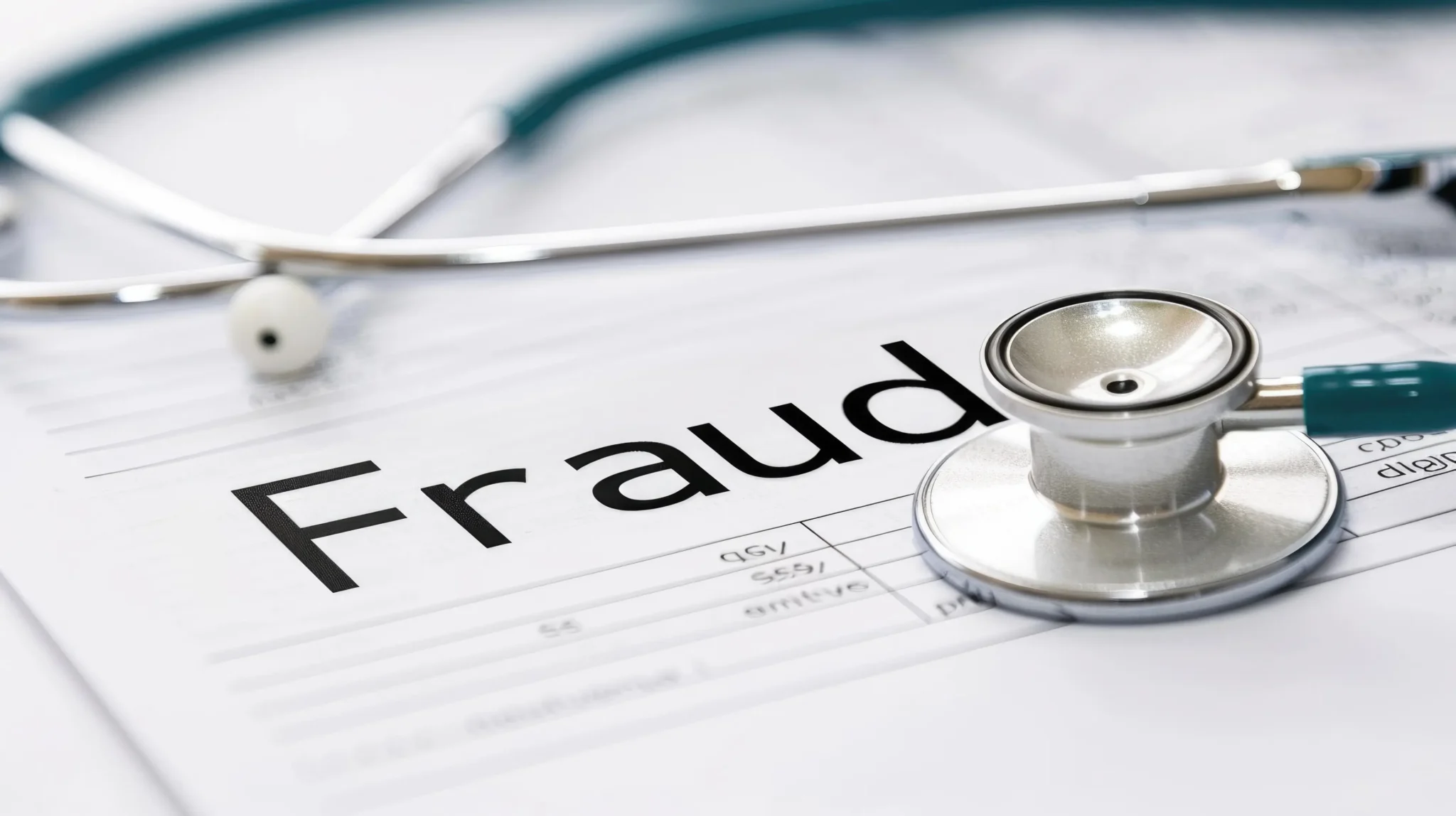

The United States government has intensified its crackdown on large-scale fraud targeting public healthcare programs, with the Treasury Department’s financial intelligence unit FinCEN issuing a fresh advisory on Monday. The alert calls on banks and financial institutions to remain vigilant against organized fraud schemes exploiting government-backed programs such as Medicare and Medicaid.
According to the Treasury, these fraud operations are no longer confined to domestic actors but are increasingly being orchestrated by transnational criminal organizations (TCOs). These groups are accused of exploiting systemic loopholes through fake claims, identity theft, and fabricated medical services, causing significant financial losses to the public exchequer.
The advisory outlines how fraudsters first obtain sensitive data of beneficiaries enrolled in government healthcare schemes. Using this information, they submit claims for medical services that are either non-existent, unnecessary, or substandard. In several cases, claims are filed for treatments that were never provided, allowing criminals to siphon off funds undetected.
Investigations have further revealed that these networks often establish shell companies or acquire existing healthcare providers in the United States to legitimize their operations. In many instances, foreign nationals are used as “straw owners” to conceal the identities of the real masterminds behind these schemes.
Once fraudulent claims are processed and payments are made, the illicit proceeds are routed through bank accounts and transferred both domestically and internationally. The laundering process involves wire transfers, digital assets, and other complex financial mechanisms. Authorities have also flagged instances where insiders within financial institutions allegedly facilitate these transactions, helping criminals disguise illegal funds as legitimate income.
FinCEN has directed financial institutions to identify such suspicious patterns and report them promptly. The advisory includes a set of “red flag indicators” designed to help detect fraud at an early stage and prevent further financial damage.
Data indicates that in 2025, there was a 20% increase in suspicious activity reports related to healthcare fraud compared to the previous year. However, officials believe this figure represents only a fraction of the actual scale of fraud, as many cases remain unreported or undetected.
In a parallel move, the Treasury Department has proposed a new framework to reward whistleblowers who provide actionable intelligence on fraud, money laundering, sanctions violations, and other financial crimes. The initiative aims to encourage insiders and the public to come forward with credible information.
Under the proposed rules, eligible whistleblowers could receive between 10% and 30% of the monetary penalties recovered in enforcement actions. These payouts will be funded through penalties collected under existing financial laws, including those governing anti-money laundering frameworks.
The proposal also includes safeguards to protect the identity and legal rights of whistleblowers, ensuring they are shielded from retaliation. Authorities hope that these protections will lead to increased reporting and stronger enforcement outcomes.
The government has urged both financial institutions and the general public to report any signs of fraud, misuse, or suspicious activity without delay. Special emphasis has been placed on cyber-enabled healthcare fraud, which has seen a noticeable rise in recent years.
Officials believe that coordinated action between regulatory bodies, financial institutions, and law enforcement agencies will not only safeguard taxpayer funds but also dismantle global criminal networks exploiting critical public welfare systems.
