

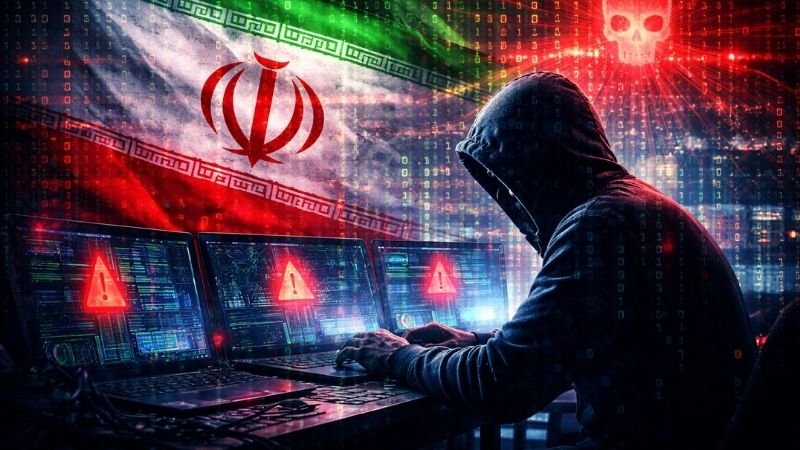
The ongoing US-Iran conflict marks a historic shift in modern warfare, with cyber operations publicly acknowledged as a core battlefield alongside traditional strikes. A recent Register article highlights Pentagon admissions that cyber forces played pivotal roles in “Operation Epic Fury,” disrupting Iran’s command networks before airstrikes hit. This transparency signals the end of covert cyber tactics, elevating them to “out-loud” warfare.
Cyber Operations in Action
US Cyber Command and Space Command led initial assaults, layering “non-kinetic effects” to blind Iranian sensors and communications. General Dan Caine, Chairman of the Joint Chiefs, detailed how these efforts synchronized with land, air, and sea domains to degrade Iran’s response capabilities. Coordinated with Israel under “Operation Roaring Lion,” attacks defaced state media like IRNA, hijacked prayer apps for propaganda, and triggered internet blackouts across Iran.
Israeli hackers compromised popular apps and broadcasting channels, sowing confusion amid physical bombardments starting February 28, 2026. US forces disrupted GPS and AIS systems, impacting over 1,100 Gulf ships and halting Iranian coordination. This four-hour cyber blitz demonstrated dominance, leaving adversaries “disoriented and confused,” as Caine stated.
FutureCrime Summit 2026: Registrations to Open Soon for India’s Biggest Cybercrime Conference
Iran’s Retaliatory Cyber Moves
Iran responded with espionage, DDoS floods, and probes targeting Israel, Gulf states, and potentially the US. Pro-Iran hacktivists claimed over 150 incidents, though blackouts limited their reach. Security firms warn of escalating phishing and intrusions, urging global firms to brace for spillover into energy, finance, and IT sectors.
CISA faces strain amid threats, operating under partial shutdown as Iranian activity surges. Analysts predict sustained “elevated activity,” blending state-sponsored hacks with cybercrime.
Global Implications and Future Warfare
This war exposes cyber’s brief impact window—effective pre-kinetics but fleeting post-strikes. It redefines conflicts as hybrid, with non-kinetic tools integral to victory. Shipping delays and cargo havoc already ripple worldwide, hinting at broader economic fallout.
For cybersecurity pros, lessons include rapid dominance via preemptive disruption and the need for resilient networks. As Trump’s administration embraces openness—echoing Venezuela ops—expect cyber’s prominence to grow, blurring lines between digital and physical battlefields.
About the author – Ayesha Aayat is a law student and contributor covering cybercrime, online frauds, and digital safety concerns. Her writing aims to raise awareness about evolving cyber threats and legal responses.
