

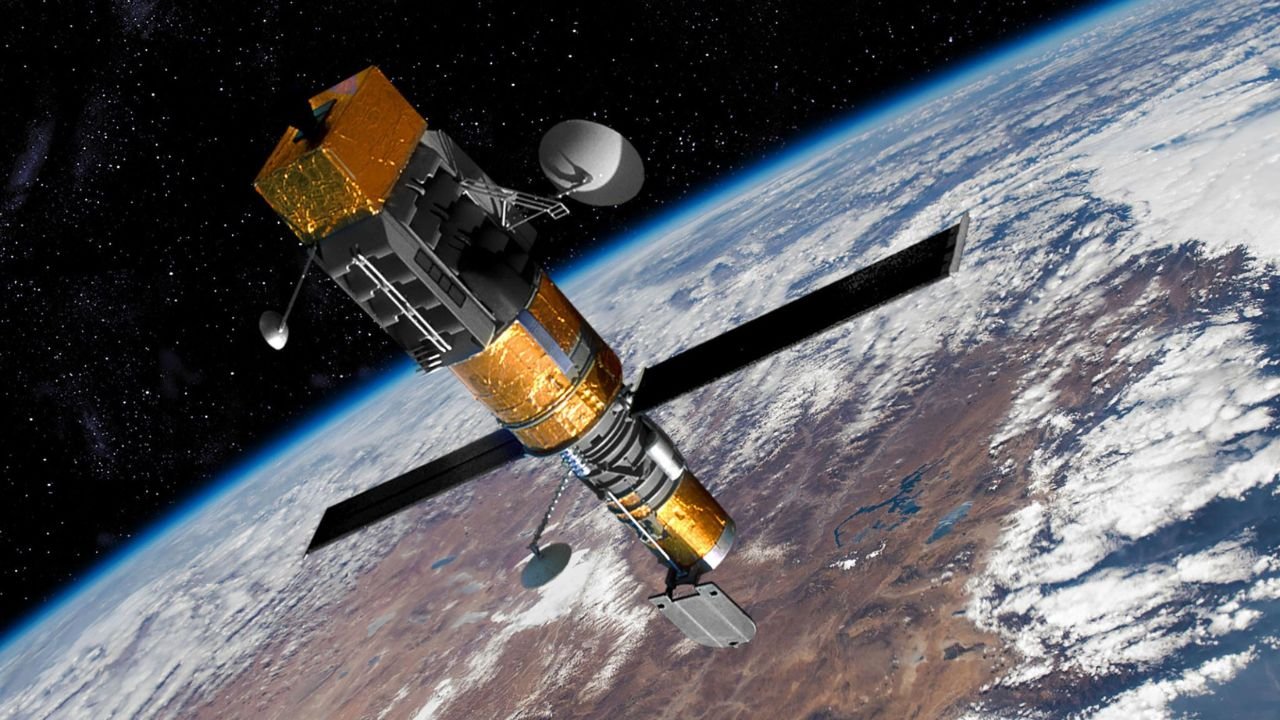

Washington | Growing tensions in West Asia are rapidly reshaping modern military strategy. Experts say the conflict between United States and Iran is increasingly relying on cyber and space-based warfare capabilities as primary strategic tools. The U.S. military operation Operation Epic Fury is reportedly aimed at generating non-kinetic digital pressure to weaken Iran’s communication, surveillance, and response systems.
Chairman of the U.S. Joint Chiefs of Staff Gen. Dan Caine stated during a media briefing that cyber and space commands are being deployed as “first movers.” He said that United States Cyber Command and space-based defence units are playing a crucial role in disrupting enemy communication networks, expanding intelligence collection, and maintaining strategic pressure, although operational technical details remain classified.
FCRF Launches Flagship Certified Fraud Investigator (CFI) Program
Former military cyber experts believe the campaign may follow a long-duration operational model. They explained that cyber warfare requires deep penetration into network systems before meaningful effects can be achieved. In some cases, gaining such access can take months or even years, and maintaining persistent access is equally critical.
According to experts, once access to a network is achieved, operators typically face two choices — collect intelligence or disable the system. Completely destroying a system may eliminate future intelligence collection opportunities, which is why intelligence gathering is often prioritised in prolonged cyber campaigns.
Strategic analysts said current operations involve 24-hour monitoring and target assessment by cyber units. The primary objective is not only to generate immediate military impact but also to evaluate enemy leadership movements, operational plans, and potential counter-strategies. If the conflict continues for an extended period, special focus may be placed on identifying possible locations of high-value military leadership targets.
Experts cited the Ukraine conflict as an example, where some cyber operations created temporary communication disruptions. However, adversaries later adopted more advanced and secure communication technologies. Analysts warn that cyber attacks can sometimes produce unintended strategic consequences by forcing opponents to modernise their defence infrastructure.
Military advisors noted that in long-term campaigns, cyber capabilities are likely to be used mainly for intelligence collection and target assessment rather than large-scale destructive effects. Attacks on public infrastructure networks are being approached cautiously because many cyber effects can be reversed after operations end.
Some former legal experts suggested that if political instability or large-scale public protest movements emerge inside Iran, cyber operations could be used to support communication channels or strategic information dissemination. In such scenarios, temporary control over electricity or telecommunications networks may be considered.
Pentagon officials emphasised that the operation may proceed in multiple phases, with cyber mission priorities changing according to operational requirements. If necessary, combined use of cyber capabilities and conventional military force may be employed to achieve strategic objectives.
Overall, the rising US–Iran tension reflects the evolving nature of modern warfare, where military power is increasingly combined with digital intelligence, network control, and information warfare. Experts believe that hybrid warfare operations of this kind are likely to play a much larger role in future global conflicts.
