

Cuban President Miguel Díaz-Canel has launched a sharp counterattack against the United States, calling Washington’s threat of tariffs on countries supplying oil to Cuba a direct assault on national sovereignty. He said the move is aimed at “strangling” the island’s economy and amounts, in effect, to an unofficial fuel blockade designed to disrupt Havana’s legitimate trade relationships.
In a series of public statements and social media posts, Díaz-Canel accused the United States of weaponising economic pressure as a foreign-policy tool to decide which nations Cuba is allowed to trade with. According to him, the latest step marks a dangerous escalation of decades-old sanctions, extending pressure beyond bilateral disputes to directly target third countries engaged in lawful, internationally compliant commerce with Cuba.
“We strongly condemn this new aggressive action by the US government aimed at cutting off fuel supplies to our country,” the Cuban president said, describing the justification for the move as “false and hollow.” He warned that the policy would inflict serious damage on everyday life and the national economy.
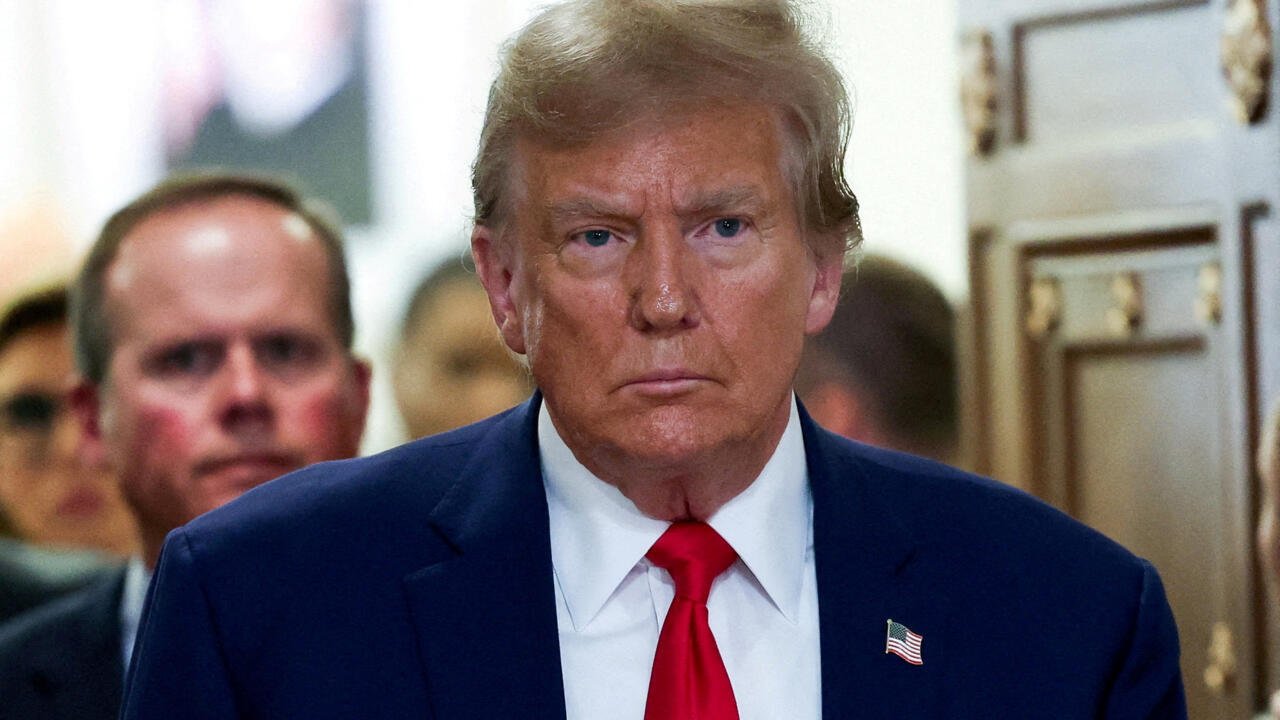
The remarks followed the signing of an executive order by the US president declaring a national emergency with respect to Cuba. The order authorises punitive tariffs on imports from countries that sell or transport oil to the island, sharply raising risks for governments and companies involved in such transactions.
Certified Cyber Crime Investigator Course Launched by Centre for Police Technology
Targeting third countries
Under the order’s provisions, Washington can impose additional duties or restrictions on nations, shipping firms and intermediaries linked to Cuba’s oil supply chain. Analysts say the intent is not merely to pressure Havana directly, but to deter its partners by making energy trade with Cuba commercially and politically costly.
The order was issued under the International Emergency Economic Powers Act, which labels Cuba an “extraordinary threat” to US national security and grants the executive wide powers to restrict trade and financial flows. Havana has flatly rejected the allegations, arguing that the emergency declaration serves as legal cover for extending traditional sanctions into secondary penalties.
“This is an attempt to tell sovereign states whom they may or may not trade with,” Díaz-Canel said, cautioning that such measures undermine international law and global trade norms.
Fuel at the heart of economic pressure
Oil and fuel imports represent a critical vulnerability for Cuba. The country relies heavily on external supplies to run power plants, public transport and essential services. Experts note that even brief disruptions can quickly translate into electricity outages, rising prices and mounting hardships for citizens.
Cuban authorities have long argued that Washington tightens sanctions during periods of domestic economic stress to maximise pressure. Targeting oil suppliers, they say, is particularly destabilising because fuel shortages ripple rapidly across the entire economy.
Despite the threat, Díaz-Canel stressed that Cuba would not yield. “We will respond with firmness, calm and confidence that justice and reason are on our side,” he said, ending one message with the revolutionary slogan: “Homeland or Death! We shall overcome!”
Broader geopolitical signal
Foreign-policy observers view the move as a warning to countries in Latin America, Africa and Asia that maintain energy ties with Havana. Even if enforcement details remain unclear, the mere prospect of tariffs could prompt governments and companies to reassess exposure and compliance risks.
Havana argues that the step reflects a broader trend toward aggressive economic statecraft, where trade and finance are increasingly used to pursue political objectives. In Cuba’s view, the policy reinforces a long-standing US strategy of isolating the island by making normal commerce prohibitively expensive for partners.
What lies ahead
With global energy markets already volatile, Cuba now faces renewed uncertainty over fuel supplies and trade routes. The episode is likely to intensify international debate over the limits of sanctions and the impact of unilateral economic measures on smaller economies.
As Cuban leaders frame the issue not merely as an economic dispute but as one of sovereignty and survival, Havana has sought to draw the world’s attention to what it sees as the far-reaching consequences of economic pressure—and to the question of how far such tools should be allowed to go.
About the author – Rehan Khan is a law student and legal journalist with a keen interest in cybercrime, digital fraud, and emerging technology laws. He writes on the intersection of law, cybersecurity, and online safety, focusing on developments that impact individuals and institutions in India.
