

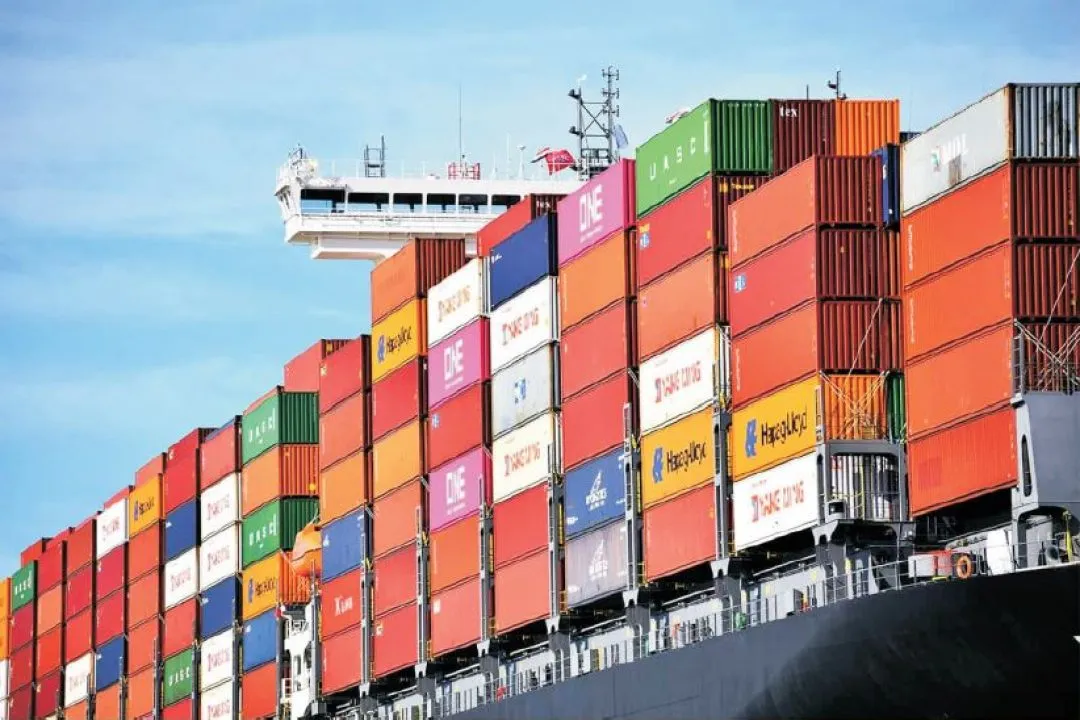

New Delhi: Rising trade tensions between the United States and China have triggered fresh concern within American industry, as allegations grow that some importers are bypassing tariffs through questionable practices. Business groups claim certain shipments originating from China are entering the U.S. market using fake importers, undervalued declarations, and shell companies to reduce or evade customs duties.
Industry representatives describe the pattern as an emerging form of “trade fraud” that distorts fair competition. Recent trade data show a $112 billion discrepancy between China’s reported exports to the United States and the import figures recorded by U.S. customs authorities. At current exchange rates, that gap translates to roughly ₹10.2 lakh crore. Analysts caution that statistical differences, reporting timelines, and tax rebate mechanisms can contribute to such mismatches. However, the scale of the gap has raised red flags among compliance experts.
FCRF Launches Flagship Certified Fraud Investigator (CFI) Program
Michael Kersey, head of a U.S.-based lawn and garden equipment manufacturer, said tariff evasion poses a deeper threat than tariffs themselves. His company reportedly paid duties as high as 45% on Chinese imports last year. According to him, competitors that allegedly circumvent such costs gain a 10%–20% pricing advantage at retail, placing law-abiding firms under sustained pressure and eroding their market share.
Within logistics circles, industry insiders point to online advertisements offering “all-in” shipping from China to the United States at rates as low as $0.70 per kilogram. Experts say such offers warrant scrutiny because tariffs are calculated based on product value rather than weight. Many of these deals operate under the Delivered Duty Paid (DDP) model, where the overseas seller handles customs clearance and duty payment. While DDP is a legitimate international trade practice, concerns arise when goods are undervalued, misclassified, or routed through shell entities acting as the importer of record.
Former customs officials note that setting up non-resident importer structures or short-lived shell firms can be relatively easy. During enforcement action, investigators often encounter fake addresses or companies that cease operations before penalties are imposed. Entities established with minimal financial guarantees may dissolve quickly, complicating recovery efforts and leaving compliant domestic firms to shoulder indirect costs through intensified audits and scrutiny.
Policy responses are also evolving. In 2025, the U.S. administration constituted a Trade Fraud Task Force and introduced a whistleblower initiative aimed at encouraging industry reporting. Authorities have expanded the use of artificial intelligence tools to flag suspicious shipment patterns and abnormal valuation trends. Proposals under discussion include tightening asset requirements for foreign importers and revisiting valuation norms to reduce scope for manipulation.
Industry leaders warn that if tariff circumvention continues unchecked, the broader objective of encouraging domestic manufacturing could weaken. Alleged savings of 40%–50% in landed costs may translate into aggressive retail pricing strategies, intensifying competition for companies that adhere strictly to regulatory requirements.
Experts argue that the long-term solution lies in stricter enforcement, transparent valuation systems, and enhanced cross-border data coordination. Trade policy credibility, they say, depends not only on imposing tariffs but also on ensuring that compliance is consistent and violations face swift, measurable consequences.
