

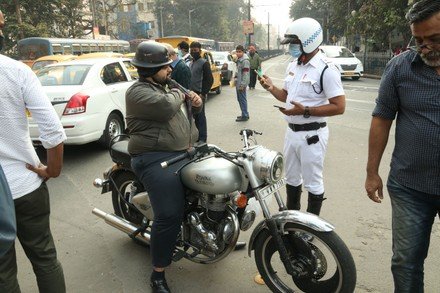
Traffic violations are set to attract far tougher consequences. The Centre has amended key provisions of the Central Motor Vehicle framework, introducing strict timelines for challan payments and sharper penalties for repeat offenders.
Under the newly notified Central Motor Vehicle Rules 2026, vehicle owners who fail to settle traffic challans within 45 days risk suspension or cancellation of both their Driving Licence (DL) and Vehicle Registration Certificate (RC).
Officials said the changes aim to improve road discipline and curb habitual violations by linking unpaid challans directly to licensing and registration databases.
As per the revised provisions, drivers committing five or more traffic offences within a 12-month period from January 1, 2026, will be classified under the “serious offender” category. Such drivers may face outright licence cancellation under existing powers available to transport authorities.
Certified Cyber Crime Investigator Course Launched by Centre for Police Technology
E-challan system to tighten monitoring
The amendments strengthen electronic enforcement mechanisms, expanding the use of automated cameras and digital notices. Along with physical challans, violators will receive alerts through SMS, email and online portals, with offences recorded directly against the registered vehicle owner.
Authorities must serve physical challans within 15 days, while e-challans are required to be delivered within three days of the violation being recorded.
Transport department officials said the expanded e-challan network is expected to significantly improve traceability of offenders and ensure faster recovery of penalties.
45-day deadline, followed by enforcement action
Once a challan is issued, the vehicle owner will have 45 days to either pay the penalty or submit documentary proof online to contest it. Failure to raise objections within this period will automatically treat the challan as accepted, triggering a mandatory payment window of the next 30 days.
If an objection is filed, authorities must dispose of it within 30 days. In cases where the challan is upheld, payment becomes final and binding.
Non-payment even after this stage will result in restrictions on most online DL and RC services. Vehicles may also be marked on government portals as “Not to be Transacted,” effectively blocking ownership transfers and related applications.
Officials added that persistent defaulters could also face detention of their vehicles until outstanding dues are cleared.
Court challenge to require 50% upfront deposit
Under the revised framework, motorists seeking to challenge challans in court will now be required to deposit at least 50% of the imposed penalty upfront. The move is aimed at discouraging frivolous litigation and speeding up resolution of traffic cases.
Failure to clear dues may also lead to temporary seizure of vehicles, officials confirmed.
RC cancellation for manufacturing or maintenance violations
Separate provisions empower authorities to suspend or cancel vehicle registrations if serious defects are found in manufacturing standards or maintenance compliance. Vehicles deemed unsafe or non-compliant can be barred from operating on public roads until corrective measures are taken.
Transport officials said the overhaul is intended to send a clear message that repeated violations will no longer be treated lightly.
“The objective is safer roads and stronger accountability. Habitual offenders will face decisive action, not warnings,” a senior official said.
About the author – Rehan Khan is a law student and legal journalist with a keen interest in cybercrime, digital fraud, and emerging technology laws. He writes on the intersection of law, cybersecurity, and online safety, focusing on developments that impact individuals and institutions in India.
