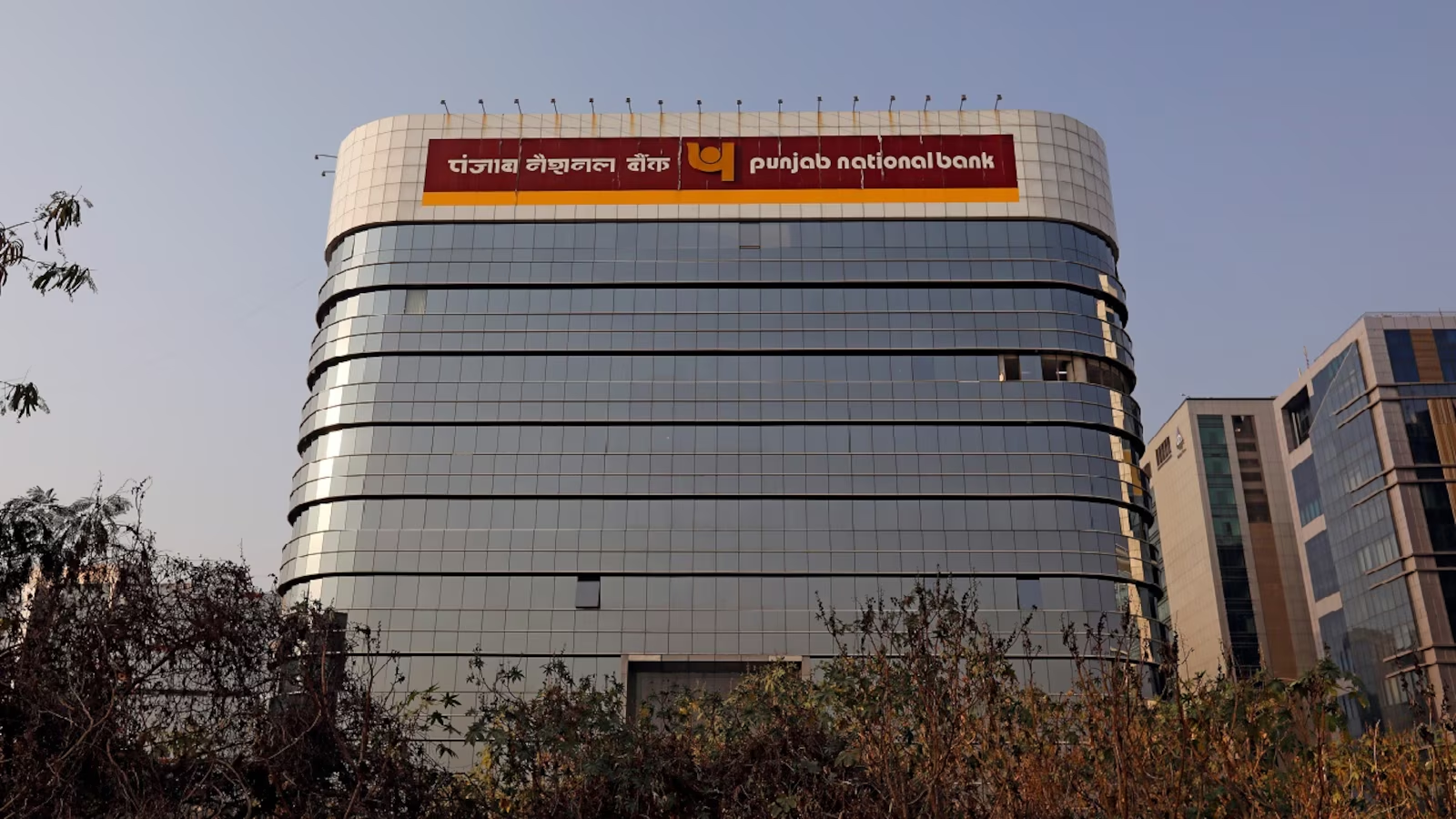

GREATER NOIDA: Five employees of Punjab National Bank (PNB), including a branch manager, have reportedly been suspended following complaints from customers alleging the premature closure of fixed deposits (FDs) and the diversion of funds at a branch in Greater Noida, Uttar Pradesh.
Police have received 16 complaints in connection with the allegations. The matter is under investigation, and the actual financial loss and individual responsibility have not yet been conclusively established.
What the Customers Have Alleged
The complaints reportedly concern fixed deposits that customers allege were closed before maturity, alongside claims that money was diverted without proper authorisation.
Fixed deposits are commonly used by customers seeking predictable returns and relatively stable savings. Any unauthorised closure or movement of these funds can cause financial distress, particularly when customers discover discrepancies only after checking their account records or approaching the bank.
The suspension of five employees, including the branch manager, indicates that the allegations have prompted action within the bank. However, suspension is not proof of guilt, and the allegations must be assessed through the investigation.
https://the420.in/fcrf-certified-chief-ai-officer-second-cohort-november-2026/
Questions Over Internal Banking Controls
The case raises questions about the safeguards used to authorise premature FD closures, verify customer instructions and ensure that funds reach the correct account.
Banks typically maintain procedures for confirming depositor identity, recording instructions and documenting transactions. Strong internal controls should help detect unusual activity, unauthorised changes and discrepancies between customer instructions and transaction records.
Investigators will need to establish how the disputed deposits were handled, whether the relevant instructions and records were genuine, and whether any procedural violations or deliberate misconduct occurred.
The 16 complaints may help investigators identify common patterns, but the number of complaints alone does not establish the total amount involved. A final loss figure should not be assumed until the disputed transactions have been examined and verified.
What PNB Customers Should Check
Customers with fixed deposits should review their bank statements, FD receipts and maturity details periodically. They should confirm that deposits remain active as expected and that any premature closure or transfer reflects instructions they actually authorised.
Anyone who notices an unexplained closure, missing funds or an unfamiliar transaction should contact the bank through its official channels and request a written record of the complaint. Customers should preserve deposit receipts, account statements, SMS alerts and other relevant communications.
If the bank does not resolve the complaint, customers can explore the appropriate grievance-redressal channels, including the Reserve Bank of India’s complaint mechanism where applicable.
What This Means For You
Check your FD status and account statements regularly instead of relying only on maturity reminders. Never share banking passwords, OTPs or sensitive credentials with anyone claiming to be a bank employee. Report unexplained transactions immediately and retain written evidence of every complaint.
The420 Insight
Trust in banking depends not only on secure digital systems but also on effective internal controls, reliable transaction records and timely customer communication. The Greater Noida allegations underline the importance of verifying deposit instructions, monitoring premature closures and investigating discrepancies promptly. The final findings will be crucial in determining the extent of the alleged misconduct and the safeguards that may need strengthening.
About the Author – Ananya Aradhya writes on cybercrime, fraud, scams, cybersecurity, digital safety, and emerging threats. Her work also covers major criminal cases, financial frauds, consumer scams, and stories that highlight risks affecting people in the real and digital world.