

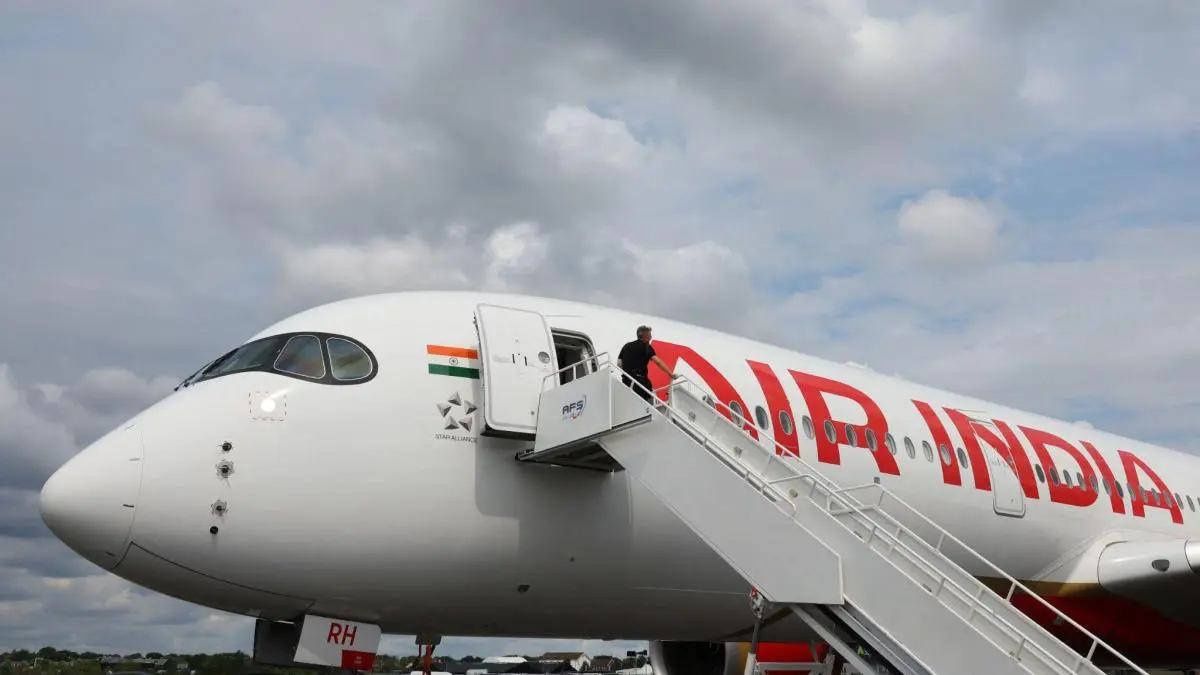
The U.K.’s aviation safety regulator has sought a detailed explanation from Air India over a safety incident involving a Boeing 787 Dreamliner that operated a London–India flight despite a suspected issue linked to engine fuel control switches.
In a formal communication dated February 3, the UK Civil Aviation Authority (CAA) asked the airline to clarify how the aircraft was cleared for departure from London on February 1, even as it was later grounded upon arrival in India for precautionary safety checks.
The regulator warned that failure to submit a comprehensive response within one week could invite regulatory action, including possible scrutiny of Air India’s broader Boeing 787 fleet operations on U.K. routes.
Certified Cyber Crime Investigator Course Launched by Centre for Police Technology
Aircraft grounded after landing in India
The aircraft in question, a Boeing 787 Dreamliner, reportedly underwent safety inspection after landing in India following indications of a potential malfunction involving engine fuel switches — a critical system responsible for managing fuel flow to the engines.
According to regulatory correspondence, the U.K. authority is seeking clarity on whether the aircraft departed London with a known technical concern and, if so, whether all mandated safety checks and reporting protocols were followed prior to departure.
The issue has triggered heightened scrutiny given the safety-critical nature of fuel-control mechanisms and the long-haul international operation involved.
U.K. regulator flags compliance concerns
The U.K. CAA has underlined that airlines operating into and out of British airspace are required to strictly comply with continuing airworthiness, defect reporting and operational safety requirements. Any lapse in adherence, the regulator cautioned, could warrant enforcement measures.
In its communication, the regulator reportedly stressed that incomplete or delayed responses would be viewed seriously, especially in cases involving wide-body aircraft operating transcontinental passenger services.
Air India’s response
Air India, in a statement, said it had carried out a precautionary re-inspection of the fuel switches across the affected aircraft and found no abnormalities.
The airline added that it would submit a detailed response to the U.K. aviation regulator within the stipulated timeframe, addressing the technical findings and operational decisions taken prior to the flight’s departure.
The carrier maintained that passenger safety remains its top priority and that all maintenance and operational actions were conducted in line with applicable procedures.
Broader implications for international operations
Aviation experts note that while isolated technical alerts do not automatically imply a safety breach, the regulatory response mechanism — particularly across jurisdictions — is critical in maintaining confidence in international aviation safety oversight.
“When an aircraft is cleared to fly from one regulatory jurisdiction and then grounded in another, regulators will naturally seek clarity on decision-making, defect assessment and risk mitigation,” said a senior aviation safety consultant.
Given Air India’s expanding long-haul operations to Europe and North America, regulatory compliance in overseas jurisdictions is seen as strategically significant for the airline.
Dreamliner fleet under focus
Air India operates a sizable Boeing 787 fleet on key international routes, including services to the U.K. The Dreamliner is widely regarded for its fuel efficiency and long-range capability, but like all modern aircraft, it is subject to stringent monitoring of onboard systems.
Regulatory experts point out that any escalation by the U.K. authority could potentially lead to additional audits, reporting requirements or operational restrictions, depending on the outcome of the review.
What lies ahead
The next steps will hinge on Air India’s formal submission to the U.K. regulator and whether the explanation satisfies concerns around aircraft dispatch, defect classification and operational decision-making.
While no immediate action has been announced, the episode underscores the intensifying regulatory oversight of global airline operations, particularly where cross-border safety accountability is involved.
For now, the focus remains on transparency, timely regulatory engagement and reassurance that safety systems — and the processes governing them — function as intended across international skies.
About the author – Ayesha Aayat is a law student and contributor covering cybercrime, online frauds, and digital safety concerns. Her writing aims to raise awareness about evolving cyber threats and legal responses.
