

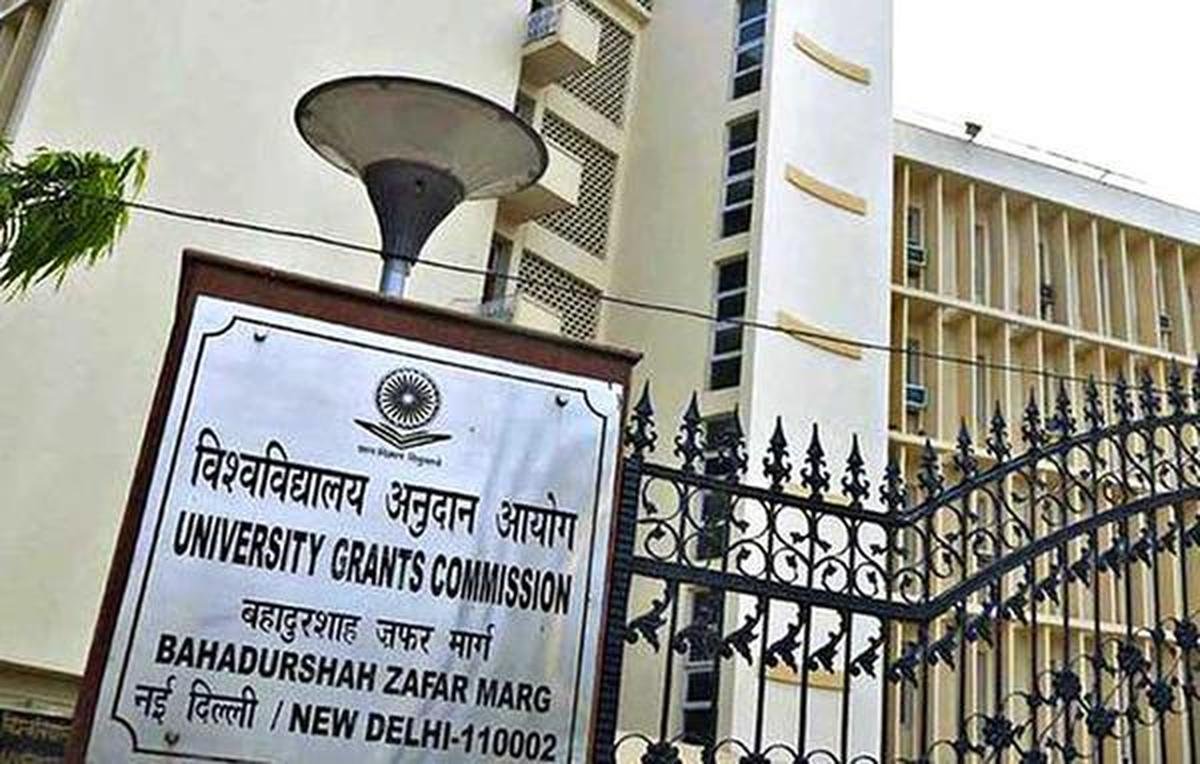

New Delhi: The University Grants Commission (UGC) has identified 32 fake universities operating across India and warned students and parents against taking admission in such institutions. According to the Commission, these entities are awarding degrees without statutory recognition, making them invalid for government jobs, higher education, or competitive examinations.
In its latest public notice, the UGC stated that the institutions listed are functioning in violation of the UGC Act and are not authorised to grant degrees. The Commission emphasised that only universities established by a Central or State Act, or those recognised as “deemed to be universities,” are legally empowered to award degrees in India.
Delhi Records Highest Number of Fake Institutions
The updated list spans 12 states, with Delhi reporting the highest number of such institutions. As many as 12 fake universities have been identified in the national capital alone, raising concerns about regulatory oversight in one of the country’s largest education hubs.
Besides Delhi, institutions have been flagged in Uttar Pradesh, West Bengal, Kerala, Maharashtra, Puducherry, Andhra Pradesh and Karnataka. Haryana, Rajasthan, Jharkhand and Arunachal Pradesh have also featured in the list this time.
Officials said the number of fake universities has risen from 20 to 32 over the past two years, indicating a growing trend of unauthorised educational operations.
Certified Cyber Crime Investigator Course Launched by Centre for Police Technology
Misleading Claims and Regulatory Violations
The Commission noted that several of these institutions mislead students by advertising attractive offers such as low fees, fast-track degrees and simplified examination processes.
In Karnataka, a specific advisory was issued regarding an entity operating under the name “Global Human Peace University” in Bengaluru. The UGC clarified that the institution does not have recognition to function as a university and any degree issued by it would not hold legal validity.
Education experts say fake universities often exploit students’ aspirations by claiming foreign collaborations or international accreditation. Many of these institutions operate without qualified faculty, proper infrastructure or approved curriculum frameworks. In several cases, they use names similar to recognised universities to create confusion and attract unsuspecting applicants.
Consequences of Degrees from Unrecognised Institutions
Degrees obtained from unrecognised universities can lead to serious consequences. Such qualifications are not accepted for government employment, public sector recruitment or admission to higher academic programmes.
In many instances, students discover the lack of recognition only at the time of job verification or while applying for further studies, resulting in loss of time, money and academic effort.
The UGC reiterated that students must verify the recognition status of any institution before applying. The official UGC website provides an updated list of recognised Central, State, Private and Deemed universities. If an institution’s name does not appear on the approved list, students are advised to exercise caution and seek clarification from regulatory authorities.
Call for Enforcement and Student Vigilance
The Commission has also urged state governments and enforcement agencies to take strict action against institutions falsely claiming university status. Under the UGC Act, only recognised institutions are permitted to use the term “University” in their name. Any violation can attract legal proceedings.
With the new academic session approaching, the UGC’s advisory assumes significance for lakhs of students preparing for undergraduate and postgraduate admissions. Experts stress that due diligence is critical at the application stage itself. Students should not rely solely on advertisements, brochures or claims made by admission agents.
The UGC maintained that awareness remains the strongest safeguard against academic fraud. Prospective applicants and parents have been encouraged to cross-check credentials, confirm approvals and avoid institutions that promise unrealistic shortcuts to degrees.
As competition for higher education intensifies, authorities have warned that vigilance at the admission stage can prevent long-term academic and professional setbacks.
