

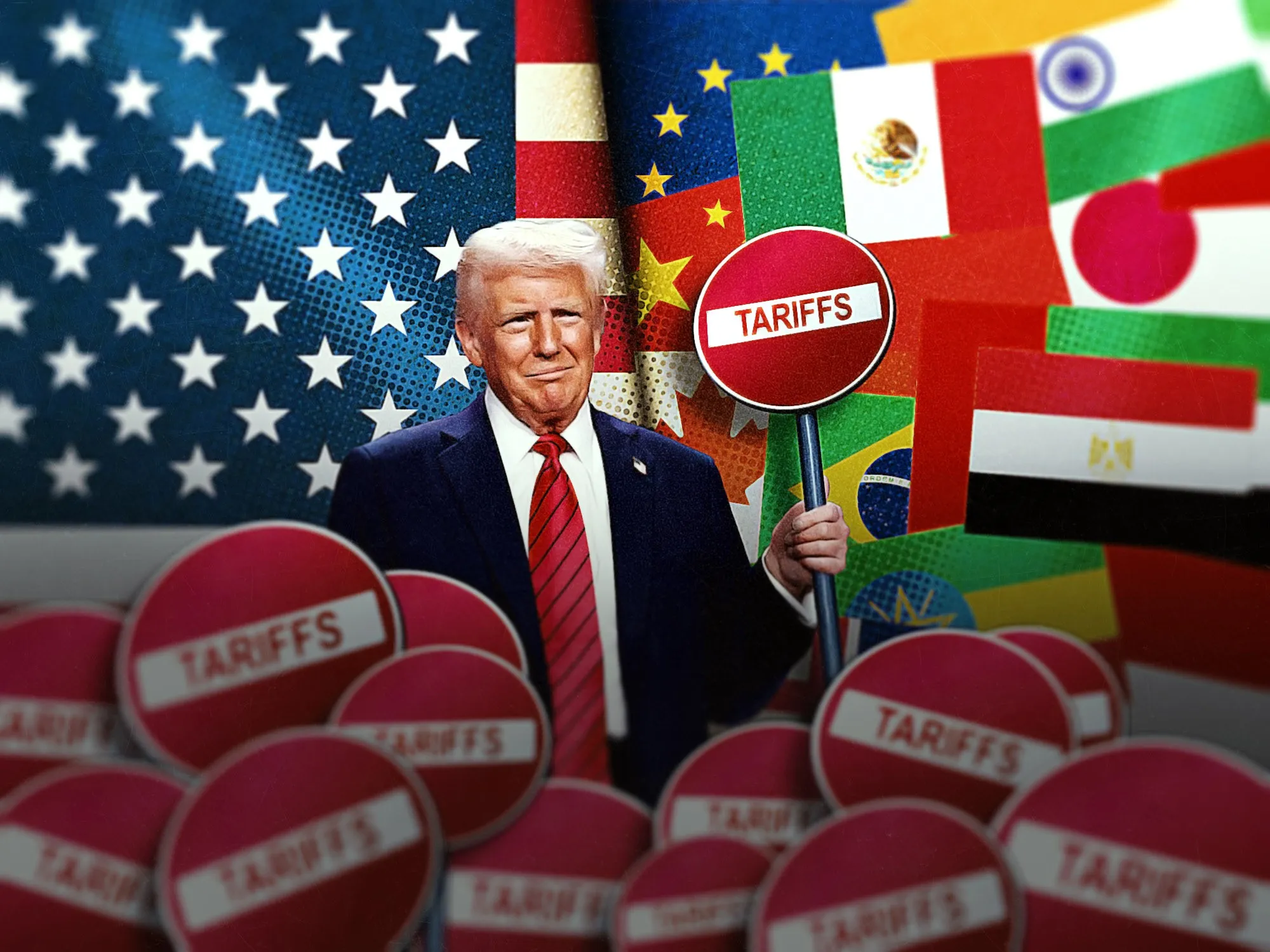

Washington: Political and legal controversy over U.S. tariff policy has intensified after the Supreme Court declared former President Donald Trump’s tariff order unlawful. Following the ruling, Democratic lawmakers have pushed the government to refund nearly $175 billion (about ₹14.5 trillion) in tariff revenue.
Democrats Push $175 Billion Refund Bill
Democratic Senators Ron Wyden, Ed Markey and Jeanne Shaheen have introduced a bill proposing that the U.S. Customs and Border Protection initiate the refund process within 180 days and include interest payments on the amount. The lawmakers argued that the tariff policy increased financial pressure on small businesses, the manufacturing sector and ordinary households, and therefore relief should first reach the most affected groups.
Democratic leaders claim that the Trump administration’s tariff strategy ultimately burdened consumers by contributing to inflation and disrupting commercial activities. However, the government and several Republican lawmakers are expected to oppose the proposal. The administration maintains that the Supreme Court ruling did not directly order any refund, leaving the final decision on payments to legal proceedings.
FCRF Launches Flagship Certified Fraud Investigator (CFI) Program
Administration Response and Legal Uncertainty
Officials from the U.S. Treasury Department told the media that it remains unclear whether the economic burden of the tariffs fell primarily on companies or consumers. This uncertainty could make it difficult to establish a practical framework for refunds. According to the Penn Wharton Budget Model, if the refund plan is implemented, each American household could receive an average of around $1,300.
Experts believe that the issue has become a major focus of U.S. economic and political debate. Disagreements over tariff policy may influence future electoral dynamics. Trade analysts say that the United States’ future strategy on trade restrictions and duty policy will now depend largely on court decisions and parliamentary discussions.
Economic and Global Trade Implications
The Supreme Court’s declaration of the tariff order as illegal has also triggered global discussion on trade policy. Analysts warn that the ruling could have long-term effects on international supply chains and import-export systems.
At present, it remains uncertain whether the proposed bill will become law, as Republican lawmakers are likely to oppose it. Political analysts believe that the tariff refund issue may continue to generate major economic and political debate in the United States in the coming period.
