

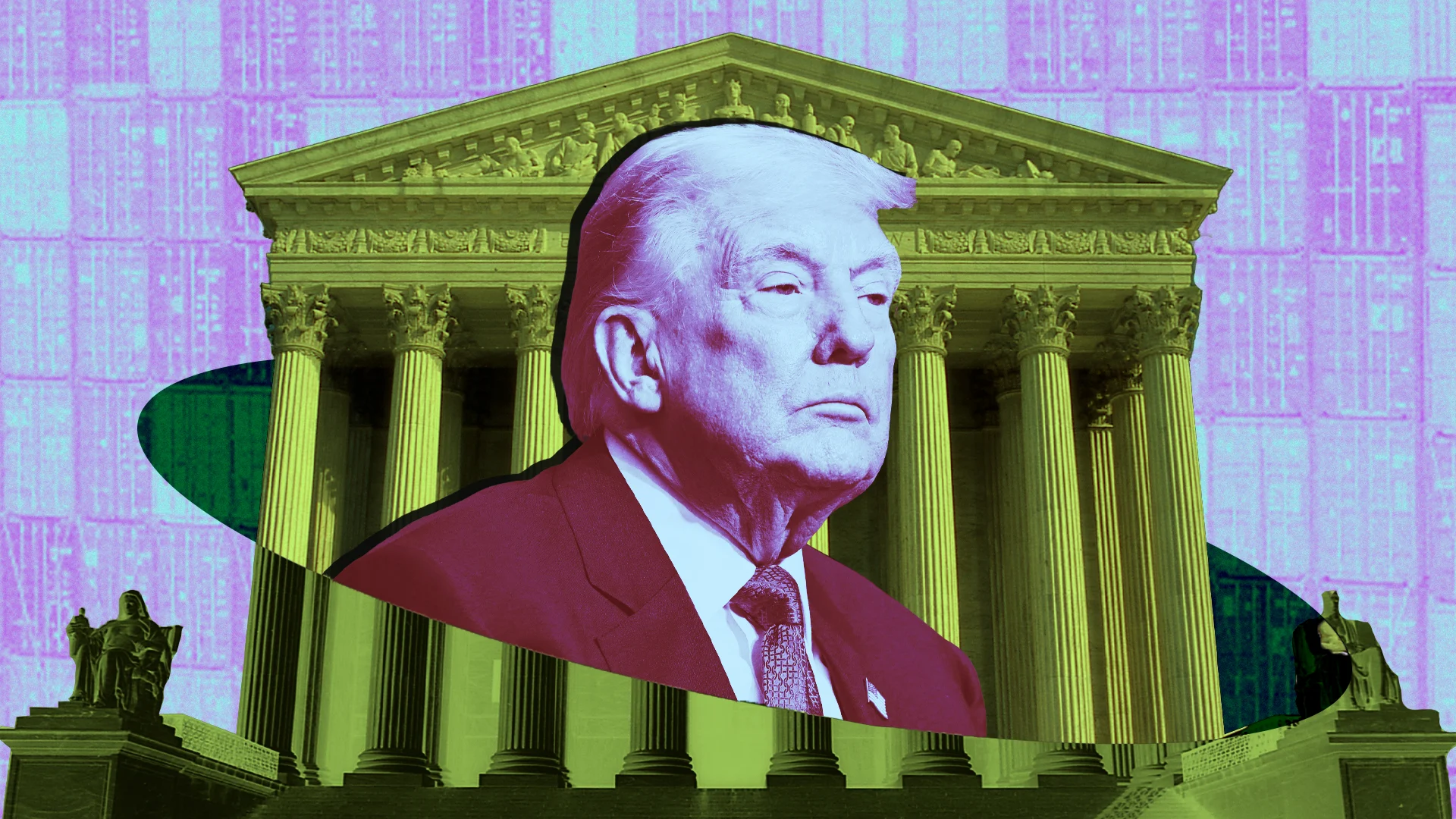

Washington: The Trump administration has announced the launch of a new trade investigation under Section 301 against 16 countries, including India. The move comes after the U.S. Supreme Court recently ruled that the president’s “reciprocal tariff” policy was unlawful. Officials say the investigation is aimed at exploring alternative options for potential trade action.
Section 301 Probe Targets Major U.S. Trading Partners
According to officials, the probe is being conducted under Section 301 of the Trade Act of 1974, which allows the U.S. government to take action against countries whose trade practices are considered unfair to American industries or companies. Following such investigations, the United States can impose tariffs, duties or other trade restrictions on the countries involved.
The countries included in the investigation, besides India, are Mexico, China, the European Union, Japan, Taiwan, Vietnam, South Korea, Singapore, Switzerland, Norway, Indonesia, Malaysia, Cambodia, Bangladesh and Thailand. These nations are considered key U.S. trading partners and play a significant role in global supply chains.
Investigation Process to Include Public Comments and Hearings
The head of the Office of the United States Trade Representative said the investigation represents an initial step toward shaping a potential new trade policy framework. During the process, written comments will be invited from the concerned countries and public hearings will also be conducted to ensure that all stakeholders have the opportunity to present their views.
Officials noted that once the investigation is completed, a detailed analysis will be prepared to determine what kind of action the United States should take. Possible measures could include increasing import tariffs, imposing additional fees on services or implementing other trade remedies.
Supreme Court Ruling Reshapes Tariff Strategy
The timing of the move is considered significant because the United States and India had recently announced a trade agreement. Under that arrangement, the tariff level on Indian exports to the United States was set at around 18 percent, significantly lower than the earlier proposed rate of 50 percent.
However, shortly after the announcement of that arrangement, the U.S. Supreme Court ruled by a six-to-three majority that the president did not have the authority under the International Emergency Economic Powers Act to impose such tariffs. The court’s decision created new pressure on the administration’s trade policy approach.
Global Tariff Announcement Follows Court Decision
Within hours of the ruling, the Trump administration announced a 10 percent global tariff, which was increased to 15 percent within the next 24 hours. Section 301 investigations are now being viewed as a possible alternative mechanism for pursuing similar trade measures.
Trade experts note that Section 301 investigations are often lengthy processes and are sometimes used by the United States to increase negotiating pressure on trading partners. In many cases, the outcome is not immediate tariffs but negotiated agreements or policy adjustments between the countries involved.
Consultations Expected Before Final Decision
Analysts tracking global trade warn that if the investigation eventually results in large-scale tariffs or trade restrictions, it could affect international markets and global supply chains. Such measures may have significant economic implications, particularly for countries across Asia and Europe.
For now, U.S. officials say consultations with the countries concerned will continue during the investigation process. Authorities added that after reviewing submissions and holding hearings, a final determination will be made regarding any future trade actions.
