

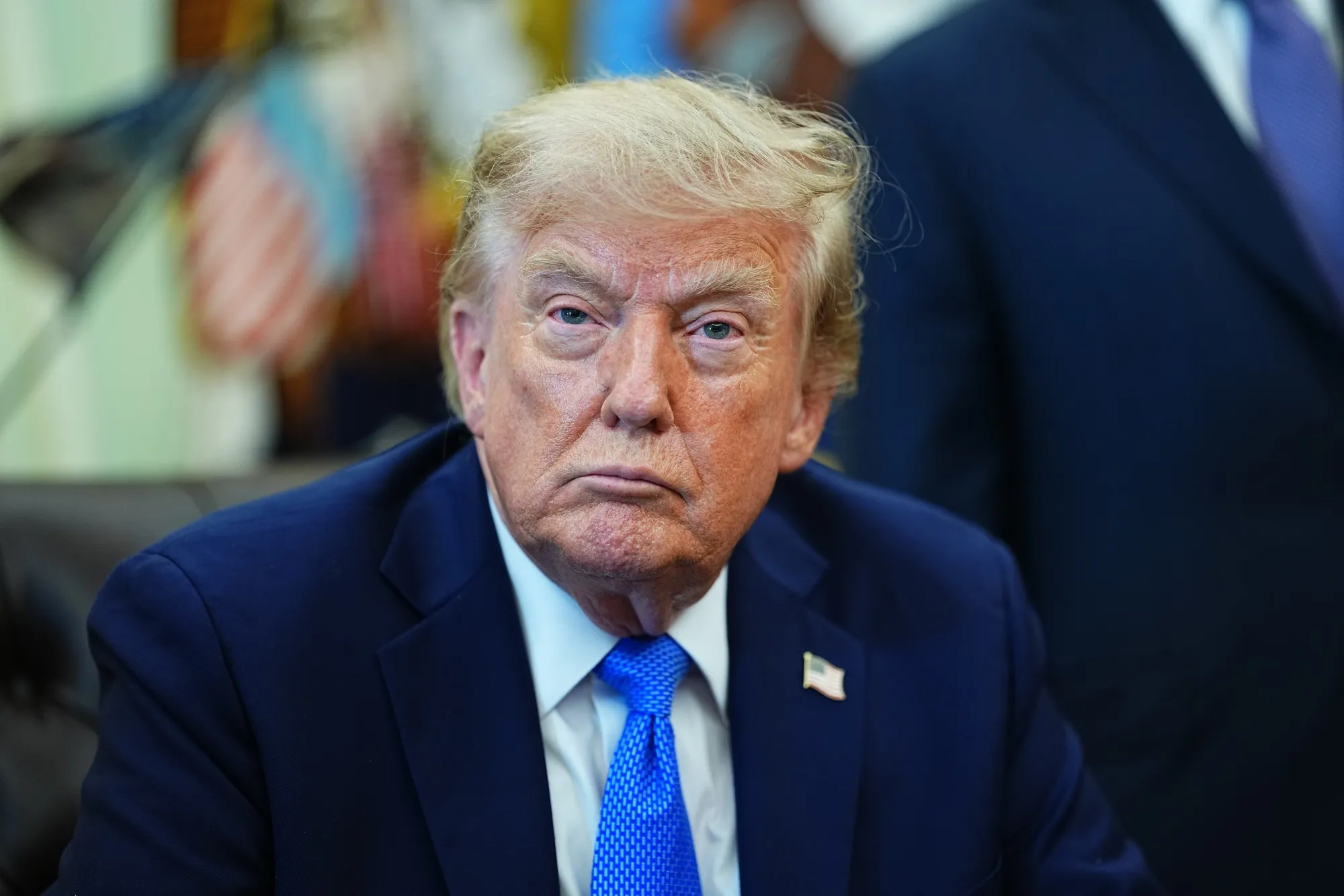

The Trump administration is highlighting a widening US campaign against overseas cyber-fraud networks that lure Americans into fake cryptocurrency investments and other online scams.
President Donald Trump and senior officials are using an October 21 White House cybersecurity event to showcase actions including the seizure of fraudulent investment websites, cryptocurrency recoveries and attempts to disrupt foreign scam networks.
The campaign comes as internet-fraud complaints and financial losses reported by Americans continue to rise.
More than one million internet-crime complaints were filed with the FBI last year, according to agency data cited by Reuters.
FCRF’s Chief AI Officer Certification Returns on November 14 to Prepare Future AI Leaders
White House Puts Overseas Scam Networks in Focus
The administration says foreign criminal groups increasingly use fake investment platforms, impersonation and cryptocurrency to steal money from American victims.
These schemes often begin through social media, messaging apps or dating platforms.
Victims are gradually persuaded to trust the scammer and may then be directed to fake crypto-investment websites showing fabricated profits.
The displayed returns can encourage victims to transfer increasingly large amounts.
When they eventually try to withdraw their money, the platform may demand additional payments or simply disappear.
The October 21 event is expected to include senior officials from the Justice Department, FBI, Department of Homeland Security, Department of Defense and the White House cybersecurity team.
The administration is presenting the response as a coordinated government effort rather than leaving individual agencies to pursue separate cases.
US Has Seized Millions in Crypto Linked to Fraud
US law-enforcement agencies have already recovered significant cryptocurrency linked to international scams.
In July, the US Attorney’s Office in Washington said several investigations had resulted in the seizure of more than $25 million in cryptocurrency tied to international investment and romance-fraud schemes.
Those seizures formed part of the wider Scam Center Strike Force, which prosecutors say has helped recover more than $800 million since it was launched in 2025.
Investigators used blockchain tracing to follow money through multiple cryptocurrency addresses.
In one case, authorities identified more than 270 suspected victim transactions linked to fraudulent investment platforms.
Another investigation involved more than 200 victims of online romance schemes.
Cryptocurrency can move rapidly across borders and through hundreds of digital wallets.
But transactions on many blockchains also leave permanent records, allowing investigators to reconstruct parts of the money trail.
Scam Compounds Face Sanctions and International Raids
US agencies are also targeting the organisations behind industrial-scale fraud operations.
The Treasury Department has sanctioned individuals and companies linked to Southeast Asian scam compounds.
In June, Treasury announced sanctions against nine individuals and 26 entities associated with the Prince Group transnational criminal organisation.
US authorities said the wider network was connected to scam compounds and money-laundering infrastructure used to process proceeds from cyber fraud and fraudulent cryptocurrency investment schemes.
The crackdown has also expanded beyond Southeast Asia.
Earlier this month, US, British, African and other international authorities conducted a coordinated operation targeting scam networks operating in West Africa.
The Justice Department said the operation led to dozens of arrests, the removal of more than 3.7 million fraudulent online accounts and the rescue of more than 100 trafficking victims.
Authorities also identified at least $11 million in funds that could potentially be frozen.
Why Crypto Scams Are Linked to Human Trafficking
Many large overseas scam centres rely on more than voluntary criminal workers.
People are sometimes recruited through fake job offers and trafficked into guarded compounds.
Once inside, victims can be forced to participate in romance scams, investment fraud or impersonation schemes under threat of violence or debt.
That makes the problem both a financial-crime and human-trafficking issue.
The420.in has previously reported extensively on such compounds in Cambodia, Myanmar and Thailand, where trafficked workers have been forced to target victims around the world.
International law-enforcement agencies are increasingly trying to dismantle both sides of the system.
That includes tracing stolen money while also identifying the recruiters, companies, property owners and financial intermediaries supporting the compounds.
US Pushes More Centralised Cyber-Fraud Enforcement
The Trump administration has also directed federal agencies to give online fraud greater enforcement priority.
A March executive order instructed the Justice Department to focus on identifying and prosecuting criminals carrying out online scams.
The administration later directed Homeland Security to work with private companies on monitoring foreign criminal hacking groups.
The White House says the latest campaign is intended to bring together those efforts.
However, the scale of the problem remains significant.
Scam networks can quickly rebuild websites, social-media accounts and cryptocurrency infrastructure after individual domains or wallets are seized.
The effectiveness of the crackdown will therefore depend on sustained international cooperation, financial tracing and disruption of the organisations financing and protecting these operations.
What this means for you:
Fake crypto platforms can look convincing and may even show artificial profits. Never transfer money solely on the recommendation of someone met online, and independently verify any investment platform before sending cryptocurrency or bank transfers.
Follow for daily updates on cybercrime, corporate fraud, DFIR, hacking, investigations, and digital forensics
