

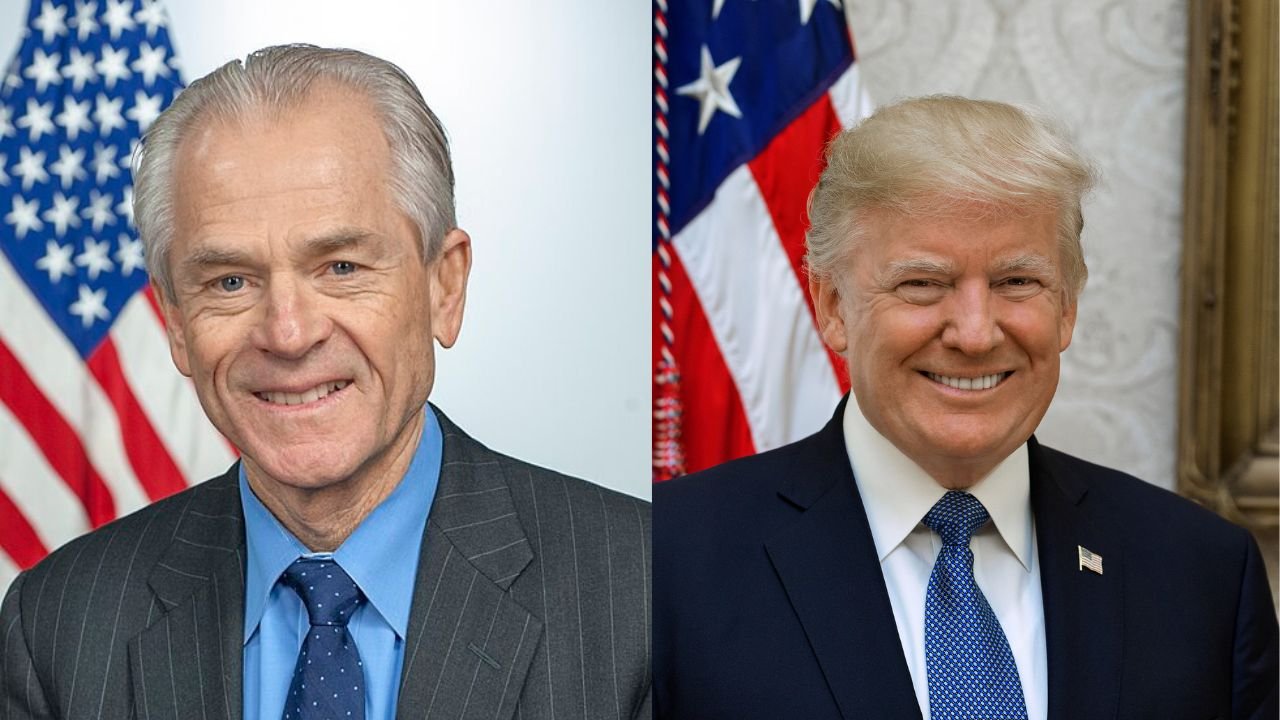

The Trump administration is signalling that artificial intelligence infrastructure—specifically the energy-hungry data centres that underpin it—could become the next target of policy action, extending a confrontational approach that has already upended global trade relations. In recent remarks, Peter Navarro, a senior adviser to President Donald Trump, suggested that the cost of powering AI systems in the United States is increasingly being borne by American consumers for the benefit of users overseas.
“We’re looking very, very carefully at this whole problem of AI data centers driving up the cost of electricity for Americans,” Navarro said in an interview with Real America’s Voice. He added that “strong action” from the president should be expected, framing the issue as one of fairness rather than technology. The comments mark a shift in emphasis from tariffs on goods to the infrastructure of the digital economy itself.
Certified Cyber Crime Investigator Course Launched by Centre for Police Technology
Data Centres, Power Grids and Global Demand
At the centre of the debate are large-scale data centres clustered across the United States, facilities that consume vast amounts of electricity to train and run AI models. Navarro argued that a “significant amount” of this power is being used to serve users abroad, particularly in India and China, even though the infrastructure and energy costs are domestic.
“Why are Americans paying for AI in India?” he asked, referring to global usage of ChatGPT, the flagship product of OpenAI. While Navarro offered no specific policy proposal, analysts say the remarks point to potential measures ranging from new regulations on data centres to differential pricing, taxes or restrictions tied to cross-border AI usage.
Energy experts note that AI-driven electricity demand has become a growing concern for utilities and regulators, particularly as data centres compete with households and industry for power. Navarro’s framing, however, places the issue squarely within a nationalist economic lens, recasting infrastructure costs as a zero-sum global contest.
India, China and a Familiar Target
Navarro’s comments also revive a familiar theme in Trump-era policy: India as a central antagonist. A long-time critic of New Delhi’s trade policies, Navarro has repeatedly accused India of maintaining high tariff barriers and has been a vocal supporter of punitive trade measures. In September 2025, he described India as the “Maharaja of tariffs,” language that underscored the administration’s combative posture.
The focus on AI infrastructure suggests a widening of that confrontation beyond traditional trade. India has emerged as one of the fastest-growing markets for AI services, including ChatGPT, raising the possibility that US policy could begin to treat digital consumption abroad as an extension of trade imbalance at home.
Growth Figures Add Fuel to the Debate
The administration’s concerns are unfolding against the backdrop of explosive global adoption of AI tools. ChatGPT, launched in late 2022, had around 700 million active users by September 2025, according to data cited by Cloudflare. Usage patterns highlight the international nature of that growth: the United States accounted for roughly 15 percent of visits, while India represented about 9 percent, making it one of the platform’s largest and fastest-expanding user bases.
Technology analysts caution that attributing domestic energy costs directly to foreign users oversimplifies how global cloud infrastructure operates. Data centres serve distributed demand, they note, and AI companies already factor energy prices into their business models. Still, Navarro’s remarks signal that such nuances may carry less weight in an administration increasingly inclined to link economic sovereignty with control over digital infrastructure.
For now, no formal policy has been announced. But the message from Washington is clear: as artificial intelligence becomes more central to the global economy, its physical foundations—servers, power lines and electricity bills—are moving from the margins of policy debate to its centre.
About the author — Suvedita Nath is a science student with a growing interest in cybercrime and digital safety. She writes on online activity, cyber threats, and technology-driven risks. Her work focuses on clarity, accuracy, and public awareness.
