

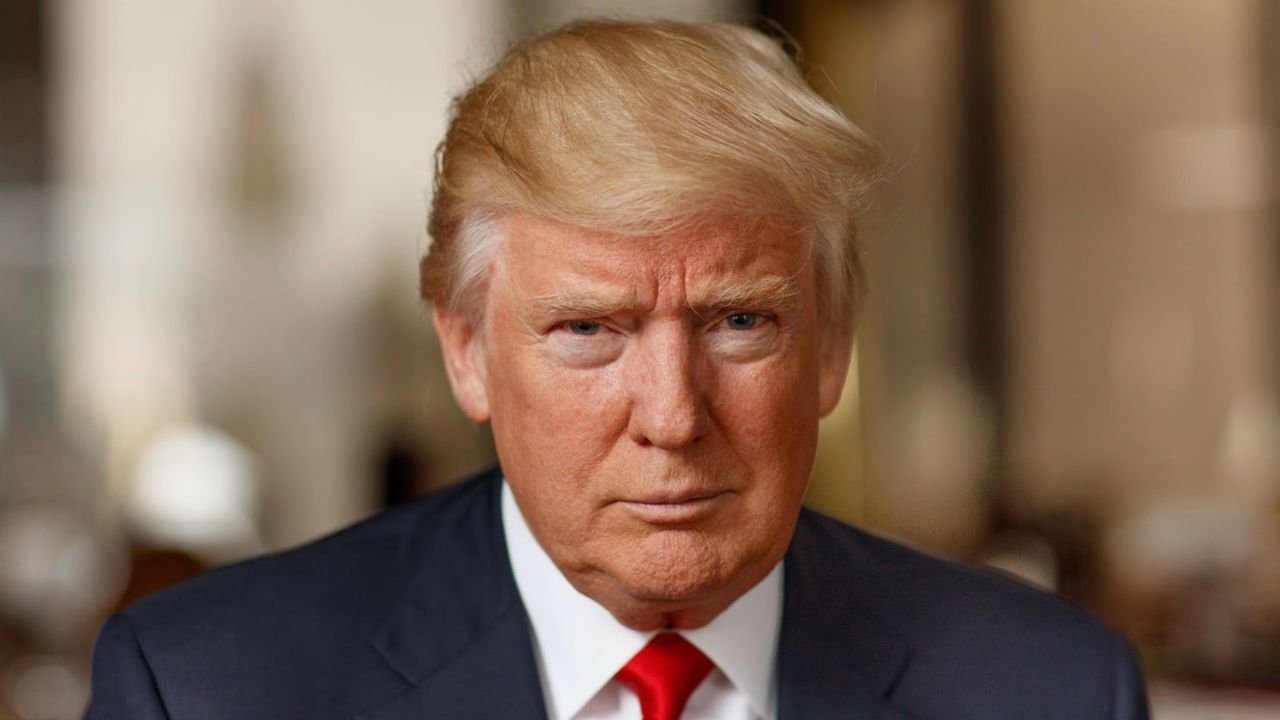

New York: Former US president Donald Trump has claimed that India is poised to buy crude oil from Venezuela instead of Iran, describing it as an “already made” deal at the conceptual level. The remarks, delivered aboard Air Force One, have injected fresh uncertainty into global energy markets and diplomatic calculations, even as New Delhi has offered no official reaction.
Speaking to reporters during a flight to Florida, Trump said India would begin sourcing oil from Venezuela rather than Iran, adding that China was also welcome to participate in similar arrangements. “We’ve already made that deal — the concept of the deal,” Trump said, framing the move as part of a broader realignment in global oil trade.
Certified Cyber Crime Investigator Course Launched by Centre for Police Technology
There was no immediate confirmation from India, and the claim remains unverified by any official communication from New Delhi. Analysts noted that such assertions, while politically charged, do not automatically translate into binding commercial or sovereign agreements, particularly in a sector shaped by sanctions, compliance risks and refinery economics.
Context of sanctions and shifting oil flows
India was among the largest buyers of Iranian crude until 2019, when imports were sharply curtailed following the reimposition of US sanctions on Tehran. Since then, Indian refiners have diversified sourcing, dramatically increasing purchases from Russia after the Ukraine conflict, while also importing from the Middle East, Africa and Latin America.
Trump’s comments come amid sustained US pressure on major energy-importing countries to avoid oil purchases from sanctioned nations, including Iran and Venezuela. The United States has also imposed steep tariffs on India, including penalties linked to its procurement of Russian crude, heightening trade and diplomatic tensions.
Market participants said Venezuela’s heavy crude could technically suit some Indian refineries, but any significant ramp-up would depend on sanctions clarity, payment mechanisms, shipping insurance and regulatory approvals. Venezuelan oil exports have remained constrained by US controls, despite periodic relaxations and waivers.
Diplomatic signals, but no formal shift yet
Trump’s remarks also come against a backdrop of renewed India–Venezuela diplomatic engagement. Just days earlier, India’s leadership held discussions with Venezuela’s acting leadership, with both sides agreeing to deepen cooperation across sectors including energy, trade, technology and agriculture. Officials described the outreach as part of India’s broader engagement with the Global South.
However, energy experts cautioned against reading too much into political statements. “Oil trade decisions are ultimately commercial,” one analyst said. “They depend on pricing, freight costs, crude compatibility and sanctions compliance — not just political intent.”
Implications for global energy markets
If India were to meaningfully expand Venezuelan crude imports, it could alter trade flows at a time when global markets are already adjusting to sanctions, supply disruptions and geopolitical risk. Venezuela holds some of the world’s largest proven oil reserves, but production and export capacity have been weakened by years of underinvestment and restrictions.
Any shift away from Iranian or Russian barrels would also have pricing implications, potentially tightening or easing supply in different regions. Traders said markets would look for concrete signals — such as refinery tenders, shipping data or regulatory clearances — before reassessing supply dynamics.
India’s cautious energy posture
India has consistently maintained that its energy procurement decisions are guided by national interest, affordability and supply security. Officials have previously stressed that oil imports are sourced from wherever terms are most viable, within the bounds of international law.
In the absence of official confirmation, Trump’s assertion is being viewed as a political signal rather than a policy announcement. Observers note that India has avoided public alignment with unilateral sanctions regimes, while also navigating diplomatic pressure from multiple global powers.
About the author — Suvedita Nath is a science student with a growing interest in cybercrime and digital safety. She writes on online activity, cyber threats, and technology-driven risks. Her work focuses on clarity, accuracy, and public awareness.
