
Follow us on Google News

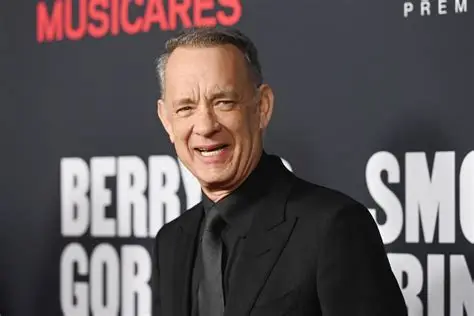
An AI-generated advertisement falsely linked actor Tom Hanks to a dental plan, prompting Hanks to issue a public denial.
How Was Tom Hanks’ Identity Used?
American actor and film producer Tom Hanks became the subject of an unauthorised advertisement promoting a dental plan after scammers used an AI-generated likeness of the Hollywood star. The fabricated material created the impression that Hanks was associated with the commercial service, despite having no involvement in its promotion.
The incident highlights how artificial intelligence can be misused to reproduce the appearance of well-known personalities and present them as supporters of products or services they have never publicly endorsed. In this case, the advertisement relied on Hanks’ recognisable public identity to create an apparent connection between the actor and a dental plan.
The use of a familiar celebrity image can make an advertisement appear more credible to viewers. However, the presence of a recognisable face does not establish that the person has approved, participated in or even knows about the promotion.
FCRF Launches CP-FRM to Build India’s Next Generation of Fraud Risk Professionals
Was the Endorsement Genuine?
Hanks publicly disowned the advertisement and warned his followers that the apparent endorsement had been artificially generated without his knowledge or involvement. His response made clear that the promotional material should not be interpreted as an authentic recommendation from him.
The distinction is important because the advertisement presented an association that did not exist. Although the material appeared to connect the actor with the dental service, there was no authorised endorsement from Hanks.
The incident demonstrates how fabricated promotional content can blur the distinction between genuine celebrity partnerships and digitally created representations. An audience viewing such material may find it difficult to determine whether a public figure has actually agreed to promote a particular service.
In Hanks’ case, his public denial directly challenged the impression created by the advertisement and clarified that the association was unauthorised.
What Are the Potential Consequences?
The misuse of Hanks’ likeness raises concerns about the unauthorised commercial use of a person’s identity, as well as the possibility of misleading consumers. When a celebrity appears to recommend a service, viewers may interpret that appearance as evidence of personal approval or involvement.
A fabricated endorsement can therefore create confusion about the relationship between a public figure and a commercial organisation. It may also raise reputational concerns, particularly when the person depicted has no control over the claims or promotional message presented in their name.
For a well-known actor, an unauthorised advertisement can create an unwanted association with a product or service. It can also place the individual in the position of having to publicly correct an impression created by someone else.
The available information does not confirm any direct financial loss to Hanks. The reported impact instead centres on the unauthorised use of his identity, potential consumer deception and concerns about damage to his reputation.
What Does the Incident Reveal?
The case illustrates the potential risks associated with AI-generated celebrity representations in commercial advertising. A digitally created likeness can make it appear that a public figure is participating in a promotion, even when no such agreement exists.
Hanks’ warning serves as a reminder that apparent celebrity endorsements should not automatically be treated as genuine. His response also underlines the importance of distinguishing between authorised promotional material and content created without the knowledge or consent of the person depicted.
The incident involving the dental plan is an example of how artificial intelligence can be used to create misleading commercial associations. It also raises broader questions about protecting personal identity and maintaining consumer trust when digitally generated images are used in advertising.
Although no confirmed direct financial loss to Hanks has been reported, the unauthorised advertisement demonstrates the reputational and consumer-related concerns that can arise when a celebrity’s likeness is used without permission.