

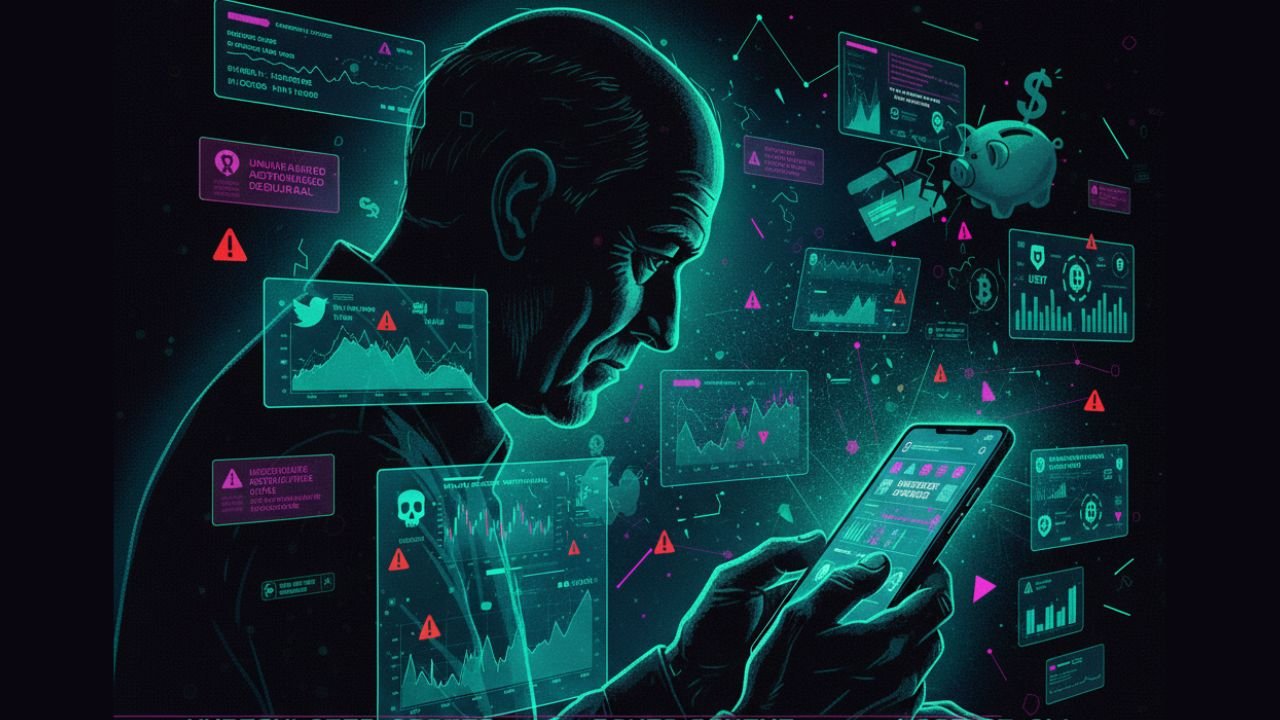

Thane — When an elderly man from Ghodbunder Road accepted a friend request from a woman calling herself Leela Gupta, it did not immediately raise alarm. She appeared friendly, persistent, and, in his words, “knowledgeable about new ways of investing.”
Over the next few days, their conversations moved from Facebook Messenger to WhatsApp — a pattern investigators say has become a hallmark of cross-platform grooming by organised digital fraud networks.
According to the man’s police complaint, Gupta coaxed him into exploring cryptocurrency investments, promising returns far beyond what traditional savings instruments could offer. She sent him links to a platform she described as “secure and profitable,” and guided him step by step through setting up an account.
Between June 20 and August 21, the man transferred ₹86.9 lakh in multiple instalments, often under pressure, to various bank accounts controlled by Gupta and accomplices.
An Illusion of Profit Built Through Fake Dashboards
The fraud escalated rapidly. Once the victim’s money had been deposited, the online trading platform began showing what seemed like extraordinary gains. His balance appeared to grow to 2.76 lakh USDT, a figure that investigators now believe was fabricated to create a sense of legitimacy.
But when he attempted to withdraw 75,000 USDT — a fraction of the balance displayed — the request was rejected.
Behind the glossy dashboard was a classic mechanism familiar to cybercrime investigators: an unregulated platform that mirrors global crypto interfaces but exists solely to take in deposits, not process withdrawals. Fraudsters then introduce additional “fees” to stall or pressure victims, often demanding large sums to “unlock” funds.
In this case, Gupta informed the victim he would need to deposit 30 percent of his total balance as a “risk assessment security fee.” When he said the amount was unaffordable, she claimed her uncle would pay on his behalf and urged him to contribute whatever he could. Under emotional and psychological pressure, he paid another ₹10 lakh.
Yet the demands continued.
A Pattern of Luring Victims From Social Media to Encrypted Channels
Cyber officials in Maharashtra say the case mirrors a growing trend: fraudsters first establish a personal bond, often posing as investment-savvy acquaintances, before moving victims to encrypted messaging apps where calls and messages become harder to trace.
“Social media is the entry point,” one officer said. “Encrypted chat apps are where the trap closes.”
From there, the tactic follows a familiar script:
- build trust through friendly conversation
- introduce investment themes like crypto
- showcase inflated profits through fake dashboards
- demand repeated top-ups disguised as fees
- disappear when withdrawals are impossible
Police say several of the recent victims were elderly individuals unfamiliar with digital assets but eager to improve their savings in a volatile economy.
In this case, the fraudsters even staged an elaborate fiction — Gupta claimed she had personally paid ₹30 lakh to help him unlock his funds. It was a psychological nudge designed to keep him invested.
A Costly Lesson and a Widening Investigation
When the victim finally realized he was being misled, he contacted the national cyber helpline (1930) and filed a complaint with Thane police. An investigation is now underway to trace the network, which authorities believe may be part of a wider, interstate scam ring operating through mule accounts and fast-vanishing digital trails.
Police officials emphasized that no legitimate investment promises high returns with low risk — a message often repeated but not always heeded.
For now, the case stands as one more example of how digital fraudsters exploit psychological vulnerability, technological unfamiliarity, and the promise of wealth to target some of the country’s most trusting citizens.
