
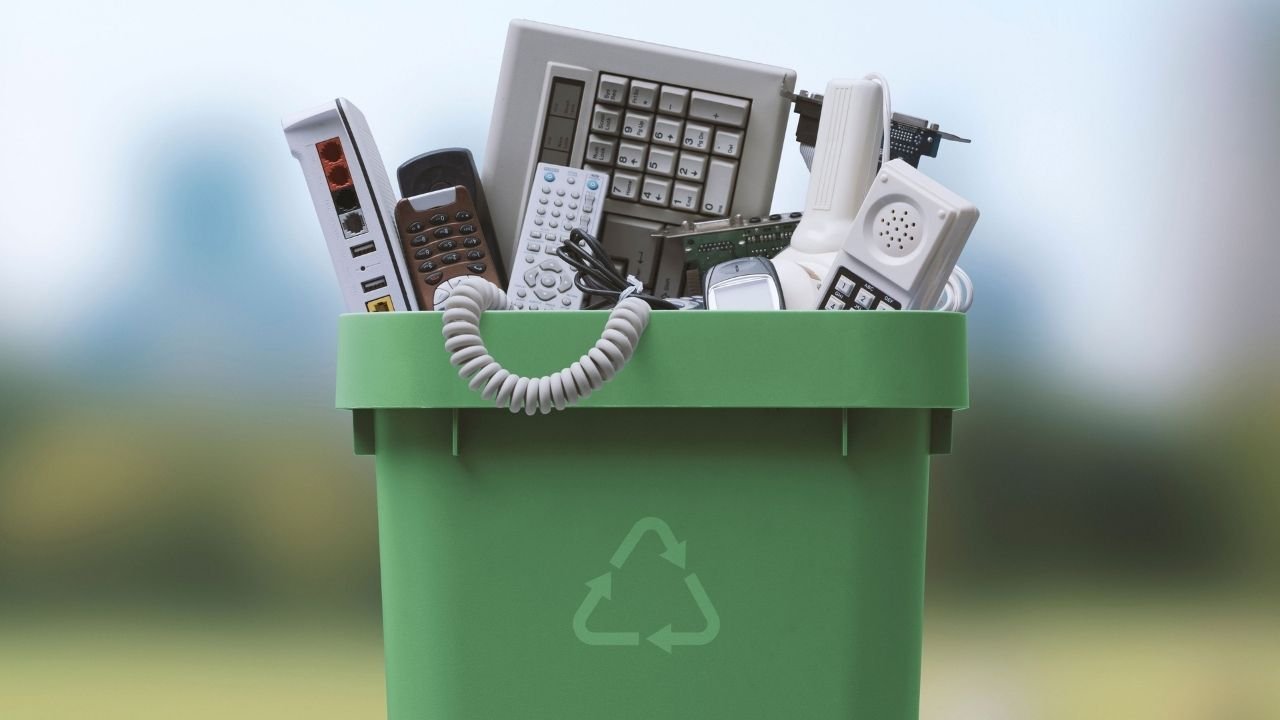

In a strong move to enforce environmental protection laws, Thailand has decided to send back a large shipment of illegal electronic waste that arrived from the United States. Authorities seized 284 tons of e-waste at the country’s major Laem Chabang port after it was found to have been shipped under false declarations as scrap metal. The entire consignment will now be returned to its country of origin under international regulations.
Investigations revealed that the electronic waste had been packed into 12 containers before being shipped to Thailand. Initial inspections showed that the containers were filled with circuit boards, electronic components, used computer parts and other technological equipment. Officials warned that many of these materials may contain heavy metals and toxic substances that pose serious risks to both the environment and human health.
Algoritha Security Emerges As India’s Leading Corporate Investigation Powerhouse
Following the initial seizure, authorities have launched a detailed inspection of all 21 containers currently present at the port. Officials suspect that additional e-waste may be hidden among the remaining shipments. If more hazardous materials are discovered, they too will be returned to the exporting country through the same legal procedure.
The discovery came after authorities received a tip-off from an international environmental watchdog that monitors the global trafficking of hazardous waste. Acting on the information, customs officials carried out a detailed inspection soon after the containers arrived at the port. The investigation quickly revealed a major discrepancy between the declared cargo and the actual contents. While the shipping documents described the cargo as metal scrap, the containers were in fact filled with electronic hardware and discarded technological equipment.
Experts note that recycling electronic waste in developed countries is often expensive due to strict environmental standards and complex processing requirements. As a result, some companies or intermediaries attempt to ship such waste to developing nations where recycling costs are lower and regulatory oversight may be weaker. In many cases, these shipments lead to unsafe dismantling practices that release toxic substances into the soil, water and air.
Thailand has adopted an increasingly strict stance against such imports in recent years. The country imposed a complete ban on the import of electronic waste in 2020. Later, in 2025, the regulations were expanded further to include hundreds of categories of electronic waste under the prohibited list. Authorities have repeatedly stated that the country will not allow itself to become a dumping ground for foreign waste.
International environmental law also supports Thailand’s action. Under global regulations governing the cross-border movement of hazardous waste, any shipment found to be illegal must be returned to the country from which it originated. Additionally, the exporting country is required to bear the full cost of transporting the waste back and ensuring its safe disposal.
Environmental specialists warn that electronic waste is emerging as one of the world’s fastest-growing pollution challenges. Rapid technological upgrades, the widespread use of smartphones, computers and other electronic devices, and shorter product life cycles have led to a massive rise in discarded electronics worldwide. Without proper recycling systems and strict international enforcement, the growing mountains of e-waste could severely contaminate ecosystems and threaten public health.
For now, Thai authorities have made it clear that the seized 284-tonne shipment will be sent back to the United States. Surveillance and inspections at the port have also been intensified until the examination of the remaining containers is completed. The action is being viewed as a strong signal to countries and exporters attempting to offload hazardous waste onto developing nations.
