

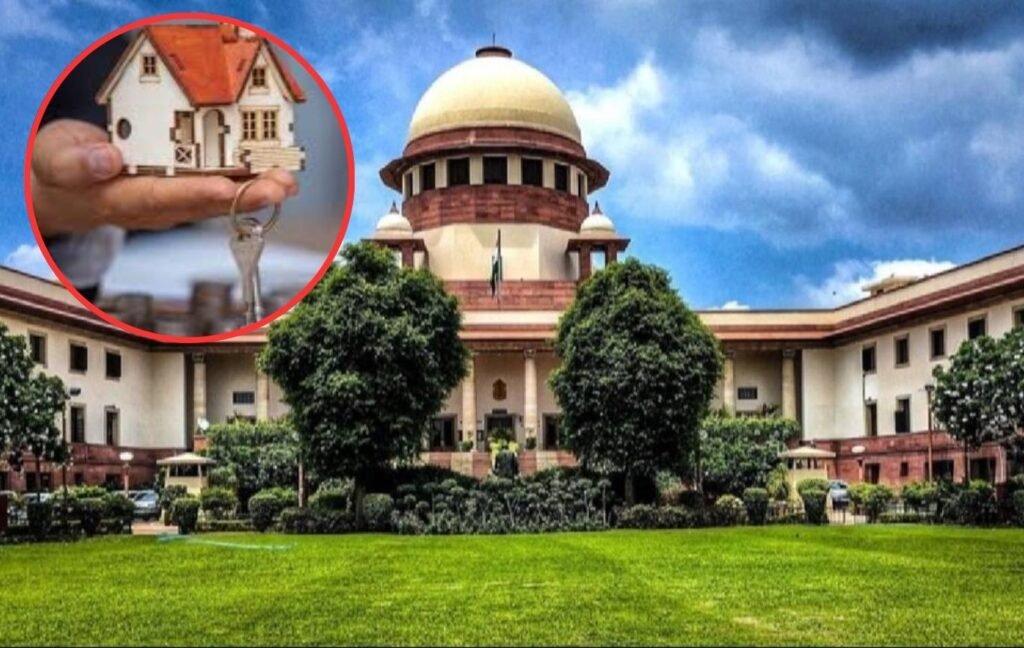
The functioning of the Real Estate Regulatory Authority (RERA) has come under sharp focus after the Supreme Court made strong observations on its performance, stating that in several instances the regulator has failed to protect homebuyers—the very group it was created to safeguard. The court indicated that the mechanism appears to be offering relief to defaulting builders rather than aggrieved buyers and asked states to re-examine whether RERA is fulfilling its intended role.
During the hearing, a bench led by the Chief Justice made it clear that if a regulatory body does not deliver meaningful relief to consumers, its institutional relevance itself becomes questionable. The remarks signal that RERA will be judged not merely on statutory provisions but on its real-world impact on homebuyers.
Certified Cyber Crime Investigator Course Launched by Centre for Police Technology
Transparency and timely delivery were the core objectives
RERA was established under the Real Estate (Regulation and Development) Act, 2016 to address chronic delays in project delivery, misleading marketing, diversion of funds and contractual violations that had long plagued the housing sector. Key provisions included mandatory project registration, escrow mechanisms to ring-fence buyer funds and strict timelines for completion.
However, the court expressed dissatisfaction with the current state of implementation, noting that several state authorities have failed to dispose of complaints within reasonable timeframes. A growing backlog of cases, delays in enforcing orders and weak compliance mechanisms have eroded buyer confidence in the system.
Experts call for structural reforms
Legal and real estate experts maintain that the issue lies not with the law itself but with its execution. Many state RERA bodies lack adequate judicial and technical expertise, resulting in slow decision-making and inconsistent enforcement. The absence of a robust mechanism to ensure compliance with orders has further diluted the regulator’s effectiveness.
Experts have recommended:
- Appointment of members with judicial and sectoral expertise
- Digital tracking systems for real-time project monitoring
- Time-bound grievance redressal with performance oversight
- Strong financial and penal action against non-compliant builders
They argue that strengthening RERA, rather than dismantling it, is the practical way forward, as the framework remains central to improving transparency and accountability in the real estate sector.
Himachal office relocation cleared
During the proceedings, the court also permitted the relocation of the Himachal Pradesh RERA office, while directing that the authority’s functioning should not be disrupted and consumer interests must remain paramount. Administrative changes, the court said, should not affect the grievance redressal process.
Millions of buyers depend on the regulator
Across the country, a large number of homebuyers rely on RERA for resolution of project-related disputes. The Supreme Court’s observations have sent a clear signal that accountability will be enforced and consumer protection will remain the priority.
Overall, the court’s remarks have reignited the debate on the effectiveness of India’s real estate regulatory framework. The onus is now on states to transform RERA from a largely procedural body into a strong, responsive institution capable of delivering time-bound justice, ensuring transparency and safeguarding the rights of homebuyers.
About the author – Ayesha Aayat is a law student and contributor covering cybercrime, online frauds, and digital safety concerns. Her writing aims to raise awareness about evolving cyber threats and legal responses.
