
Follow us on Google News

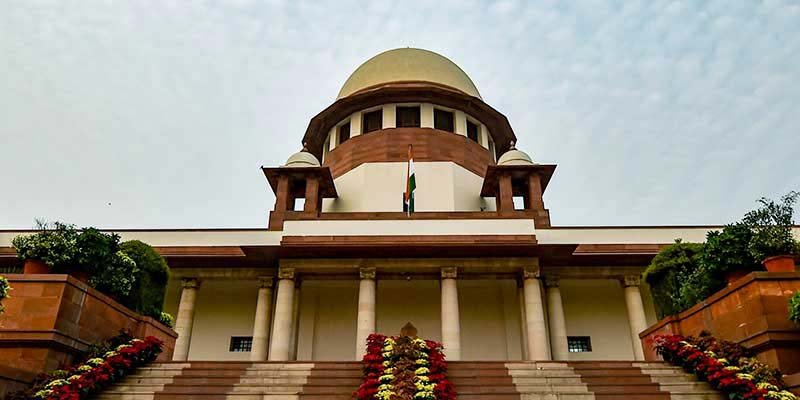
A couple that lived together for barely 65 days but pursued more than 40 cases against each other over 13 years has drawn a sharp rebuke from the Supreme Court of India. Invoking Article 142 of the Constitution, the top court dissolved the marriage, imposed a fine of ₹10,000 on each party, and categorically directed that neither side shall initiate any fresh litigation against the other in the future.
In its order, the court underlined that the purpose of courts is to resolve disputes—not to serve as platforms for personal vendetta or score-settling. Terming the matter an illustration of abuse of judicial time and resources, the court observed that unchecked matrimonial litigation has become a serious challenge for the justice delivery system.
Referring to the record, the court noted that while the parties cohabited for only 65 days, they thereafter engaged in sustained litigation for more than a decade across multiple fora. The cases spanned both civil and criminal proceedings. In the court’s assessment, the prolonged legal battle appeared aimed not at resolution but at harassing each other through the process of law.
Certified Cyber Crime Investigator Course Launched by Centre for Police Technology
‘Courts cannot be allowed to be clogged’
The court cautioned that when matrimonial discord escalates into criminal cases, the prospects of reconciliation diminish—though they cannot be ruled out altogether. It emphasised that family members and the parties concerned bear a responsibility to make sincere efforts to settle disputes before dragging them into court. Judicial institutions, the court said, cannot be permitted to be turned into battlegrounds that clog the system.
The order also flagged a steep rise in matrimonial disputes in recent years. A surge in transfer petitions, interim applications and parallel proceedings has placed additional strain on courts, contributing to avoidable delays in the adjudication of serious and urgent matters.
Mediation flagged as an effective alternative
Highlighting alternatives, the court stated that where compatibility breaks down, effective dispute-resolution mechanisms are available. It specifically underscored mediation, noting that it can be pursued at the pre-litigation stage—before any case is filed—as well as during ongoing proceedings. Mediation, the court observed, conserves time and resources and substantially reduces emotional and social costs for the parties involved.
Background of the case
According to the case record, the couple married in January 2012. Roughly 65 days into the marriage, the wife allegedly left the matrimonial home and levelled allegations of cruelty against the husband and his family members. The parties then began living separately and instituted multiple cases against each other before family courts, trial courts and high courts in Delhi and Uttar Pradesh. This cycle of litigation continued for nearly 13 years.
The court found that the prolonged dispute neither preserved the marital bond nor delivered meaningful relief to either side. In these circumstances, it held that intervention under Article 142 was necessary and justified to bring finality to an otherwise endless legal conflict.
Fine and a firm signal
Directing that the fines be deposited with an institution associated with the Supreme Court, the court stressed the need to discourage frivolous and protracted litigation. Such measures, it said, are essential to ensure that judicial time and resources remain focused on genuine cases of public importance and real grievance.
The ruling is being viewed as a clear and stern signal against the rising tide of matrimonial litigation. Reiterating a core principle, the court concluded that justice is about resolution, not retribution—and that courts, under no circumstances, should become arenas for private battles.
About the author – Ayesha Aayat is a law student and contributor covering cybercrime, online frauds, and digital safety concerns. Her writing aims to raise awareness about evolving cyber threats and legal responses.