

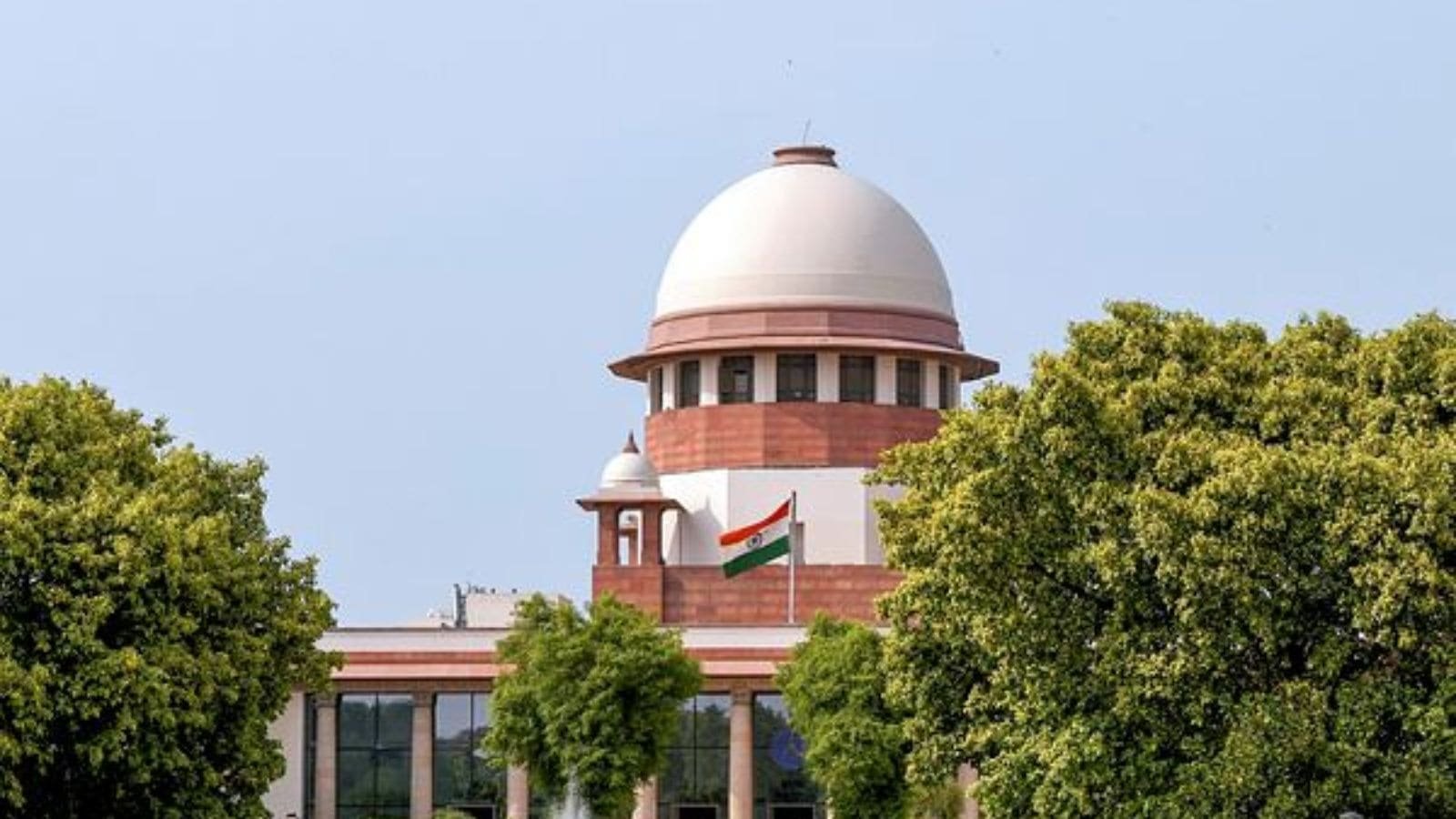

New Delhi — India’s Supreme Court has once again drawn attention to the delayed appointment of permanent Directors General of Police (DGPs) in several states, underscoring concerns that earlier judicial directives aimed at reforming police leadership structures are still not being consistently implemented.
During recent proceedings, the Bench led by Chief Justice Surya Kant expressed dissatisfaction over the continued reliance on interim or acting police chiefs in many states. The court’s observations came while reviewing compliance with guidelines governing the appointment of state police chiefs, which were originally laid down in the landmark ruling in Prakash Singh v. Union of India.
Those guidelines require that state governments appoint their police chief from among senior officers shortlisted by the Union Public Service Commission and ensure a minimum tenure intended to safeguard professional independence within the police leadership. The court has now scheduled the matter for further hearing in two weeks, indicating that it will continue to monitor how states are implementing the mandated process.
West Bengal questioned during proceedings
The court’s remarks also touched on developments in West Bengal, where the issue of appointing a permanent DGP arose during arguments. Commenting on the state government’s submissions, the Chief Justice observed that West Bengal appeared “very busy sending its DGP to the Rajya Sabha,” a remark interpreted as a pointed reminder that the process of appointing a permanent police chief should not be delayed.
The court further noted that there was presently no vacancy in the Rajya Sabha, expressing hope that the state would now move forward with appointing a permanent police chief in accordance with the established guidelines. State representatives told the court that a panel of eligible officers had already been prepared and forwarded to the UPSC, which will recommend candidates from among the senior-most officers for the position.
Tamil Nadu case resolved after compliance steps
In the same proceedings, the Supreme Court also dealt with a contempt petition related to delays in implementing the DGP selection process in Tamil Nadu.
Counsel appearing for the state informed the court that a proposal containing the names of eligible officers had now been sent to the UPSC. After noting this development, the court closed the contempt proceedings against the state’s Chief Secretary. Officials also indicated that an empanelment committee is scheduled to meet on March 20 to prepare the panel of officers in accordance with the court’s earlier directives.
Uttar Pradesh may finally move to fill 2022 vacancy
The renewed judicial focus on DGP appointments has also drawn attention to the situation in Uttar Pradesh, where the position of a full-time Director General of Police has remained vacant since 2022. Administrative discussions within the state suggest that the government may soon initiate the process of sending a panel of eligible officers to the UPSC, a step required under the Supreme Court’s police reform guidelines.
If a panel is formally forwarded, the seniority among potential candidates is currently understood to include four senior Indian Police Service officers:
1. Renuka Mishra
2. Alok Sharma
3. Piyush Anand
4. Rajeev Krishna
The eventual selection would depend on the recommendations made by the UPSC from among the senior-most officers deemed suitable for the post. The developments illustrate how judicial oversight continues to influence the pace of institutional reforms in India’s policing structure. Nearly two decades after the Supreme Court’s landmark ruling on police reforms, the question of ensuring stable and transparent leadership at the top of state police forces remains a recurring issue in courtrooms and administrative corridors alike.
