

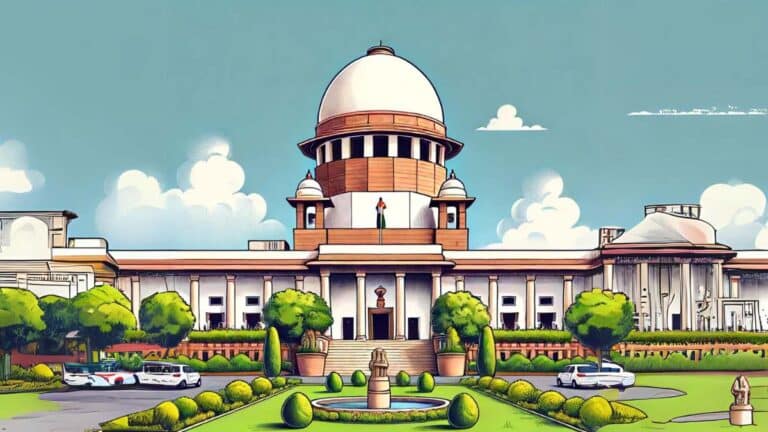

In a strong reaffirmation of integrity in public service, the Supreme Court of India ruled on Thursday that government officials convicted in corruption cases cannot be allowed to resume their duties unless they are fully exonerated by a superior court. The ruling came as a bench comprising Justice Sandeep Mehta and Justice Prasanna B Varale dismissed a plea filed by an inspector from the Railway Protection Force (RPF) who was convicted in a bribery case.
“Why should a corrupt public official be allowed to resume the job?” the bench asked pointedly, emphasizing that such reinstatements would severely “damage public trust” and undermine the morale of honest officers in the system.
FCRF x CERT-In Roll Out National Cyber Crisis Management Course to Prepare India’s Digital Defenders
Inspector’s Plea Rejected, Conviction Stands
The petitioner, a railway inspector convicted by a Gujarat trial court, had approached the Supreme Court seeking a stay on his conviction so that he could be reinstated in service. The Gujarat High Court had earlier suspended his sentence and granted him bail, but declined to stay the conviction, which barred him from resuming duty.
Representing the inspector, advocate Niteen Kumar Sinha argued that there was no concrete evidence to prove the demand or acceptance of a bribe, and called the trial court’s two-year prison sentence erroneous. Despite these claims, the Supreme Court declined to intervene, citing the critical importance of maintaining public faith in institutions.
Algoritha: The Most Trusted Name in BFSI Investigations and DFIR Services
Court Cites Precedent in K.C. Sareen Case
The apex court also referred to the landmark K.C. Sareen vs Union of India judgment, which held that a public servant found guilty of corruption after a judicial process must not continue in office merely because an appeal is pending.
“Judiciousness demands that he should be treated as corrupt until exonerated by a superior court,” the bench reiterated, adding that such leniency would be “an insult to honest officers” and could “weaken the foundation of the system.“
The ruling sends a strong message about the judiciary’s stance on corruption in public service, especially in the context of India’s ongoing battle against administrative malfeasance.
