
Follow us on Google News

Elon Musk’s SpaceX has announced plans to invest more than $74 billion in two artificial intelligence supercomputing campuses in Texas and Arizona, marking a major expansion of its business beyond rockets and satellite internet.
The company plans to spend more than $24 billion at its Starbase facility in Texas and approximately $50 billion on a proposed campus in Arizona’s Cochise County.
The announcement comes as artificial intelligence becomes SpaceX’s largest source of revenue. However, the expansion faces regulatory challenges and growing resistance from communities concerned about electricity consumption, water resources and the environmental impact of large data centres.
FCRF Launches CP-FRM to Build India’s Next Generation of Fraud Risk Professionals
SpaceX’s AI Business Overtakes Rockets And Satellite Internet
SpaceX was founded in 2002 to develop rockets and reduce the cost of space transportation. Its business subsequently expanded into satellite internet through Starlink, which provides connectivity to households, businesses and governments.
The company’s financial performance now reveals a substantial change in its business model.
According to its third-quarter results filed with the US Securities and Exchange Commission, SpaceX generated revenue of $14.6 billion during the three months ending September 2026. That represents an increase of 161% compared with the same period last year.
Its artificial intelligence division, called Super Intelligence, accounted for more than half of quarterly revenue.
The growth was supported by cloud computing contracts, the acquisition of AI coding platform Cursor and services associated with Grok, the company’s artificial intelligence assistant.
SpaceX is also generating income by renting computing capacity to other AI developers. This allows companies to access powerful computer systems without building all the infrastructure themselves.
The proposed campuses would help expand that business, although their eventual financial returns will depend on construction costs, electricity availability and sustained demand for AI services.
Texas Campus To Generate Its Own Electricity
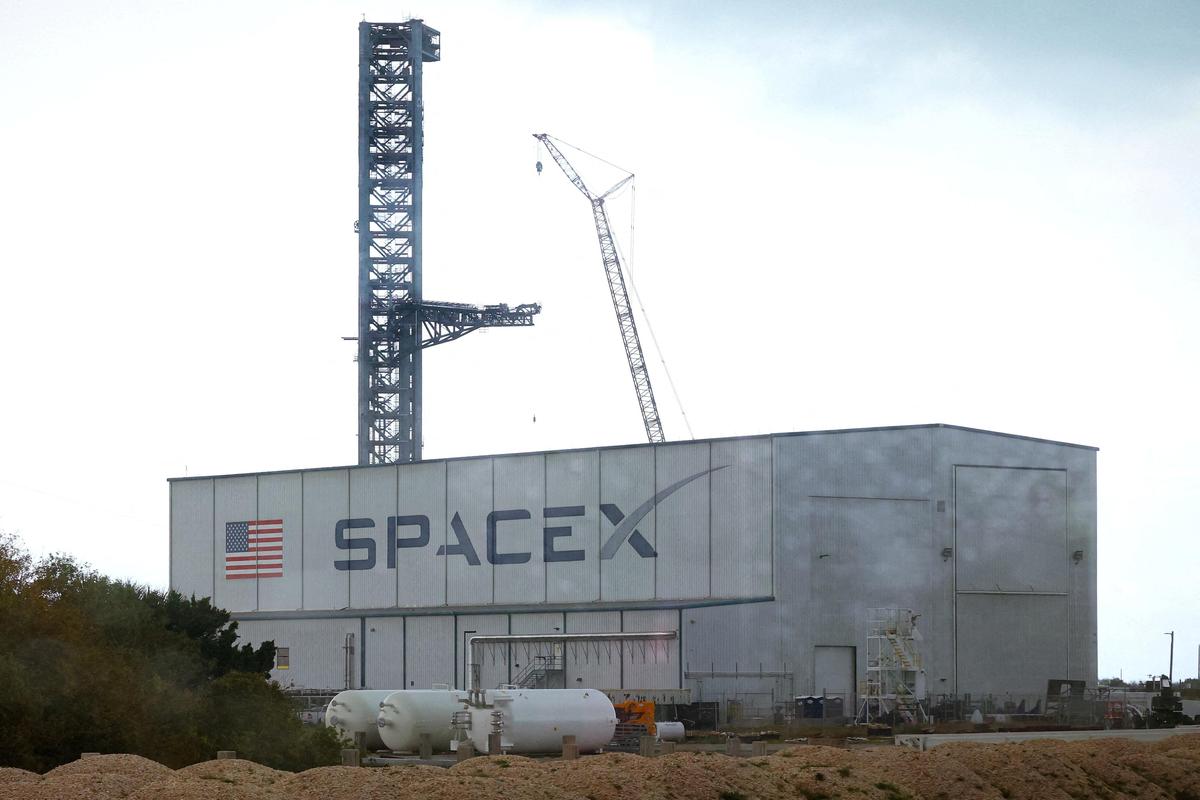
At Starbase in southern Texas, SpaceX plans to develop a large supercomputing facility alongside a natural gas-fired power plant.
The proposed development covers approximately 444 acres and would allow the company to generate electricity for its computing operations rather than depend on the public electricity network.
This could help address a major problem facing data-centre developers: long waiting periods for access to electricity grids.
Large AI facilities require continuous power to operate thousands of specialised processors, networking systems and cooling equipment.
Building a dedicated power plant could give SpaceX greater control over its electricity supply. However, it would also introduce costs associated with fuel, maintenance and environmental compliance.
The Texas project is expected to involve several phases, with the estimated $24 billion investment covering its initial development.
The Starbase City Commission is scheduled to consider a property tax concession and an associated development agreement on December 9.
Such a concession could reduce the company’s tax obligations under specified conditions. The final terms have not been established publicly.
Arizona Project Faces Opposition Over Electricity And Resources
SpaceX’s proposed Arizona campus is substantially larger in terms of its estimated investment.
Planning records show that an application was submitted on October 30 by Tombstone Resources LLC for a development covering approximately 747 acres near the Apache Generating Station in Cochise County.
The proposal includes up to nine computing buildings, to be developed in four phases, alongside battery storage and associated electrical infrastructure.
At full development, the facility could require approximately six gigawatts of electricity.
A gigawatt is a unit used to measure large amounts of electrical power. Six gigawatts would represent an enormous electricity requirement for a single industrial development.
SpaceX says the campus would create approximately 5,500 construction jobs and 1,000 permanent positions. It has also proposed using cooling technology that avoids industrial groundwater consumption.
However, local opposition remains significant. Residents have raised concerns about the development’s demands on regional resources, and a petition opposing the project has attracted approximately 2,400 signatures.
Cochise County has clarified that the project remains under review and that the applicant’s estimates have not yet received independent regulatory endorsement.
A formal public hearing is scheduled for December 9.
SpaceX Secures Chip Financing As AI Infrastructure Race Accelerates
The latest investment plans follow another major financing announcement by SpaceX in October.
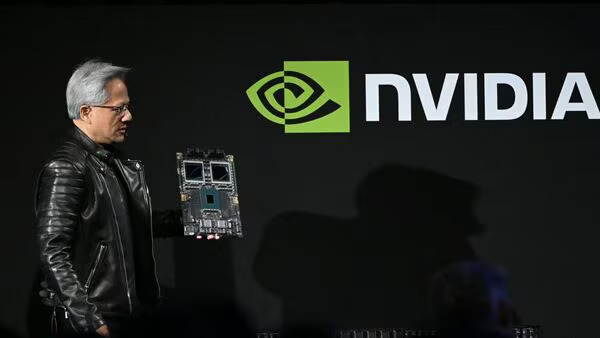
On October 26, the company disclosed a binding commitment to arrange approximately $40 billion in financing for advanced Nvidia processors and related computing equipment.
The arrangement involves Apollo Global Management and other financial institutions. SpaceX expects the equipment to support its expansion of AI computing services.
The financing remains subject to specified closing conditions, with equipment deliveries expected to begin in the first half of 2027.
Together, these developments illustrate how competition in artificial intelligence is increasingly becoming a contest over physical infrastructure.
Companies need not only powerful AI models but also access to semiconductor chips, electricity, industrial land and substantial financing.
SpaceX’s proposed campuses place it among the technology companies pursuing increasingly large infrastructure investments. Whether both projects proceed at their announced scale will depend on regulatory approvals, financing arrangements and the availability of sufficient energy resources.
What This Means For You:
Businesses relying on cloud-based AI services should evaluate their long-term computing costs and avoid unnecessary dependence on a single provider. Investors should distinguish announced infrastructure spending from completed projects and examine financing obligations before investing in AI infrastructure companies.