

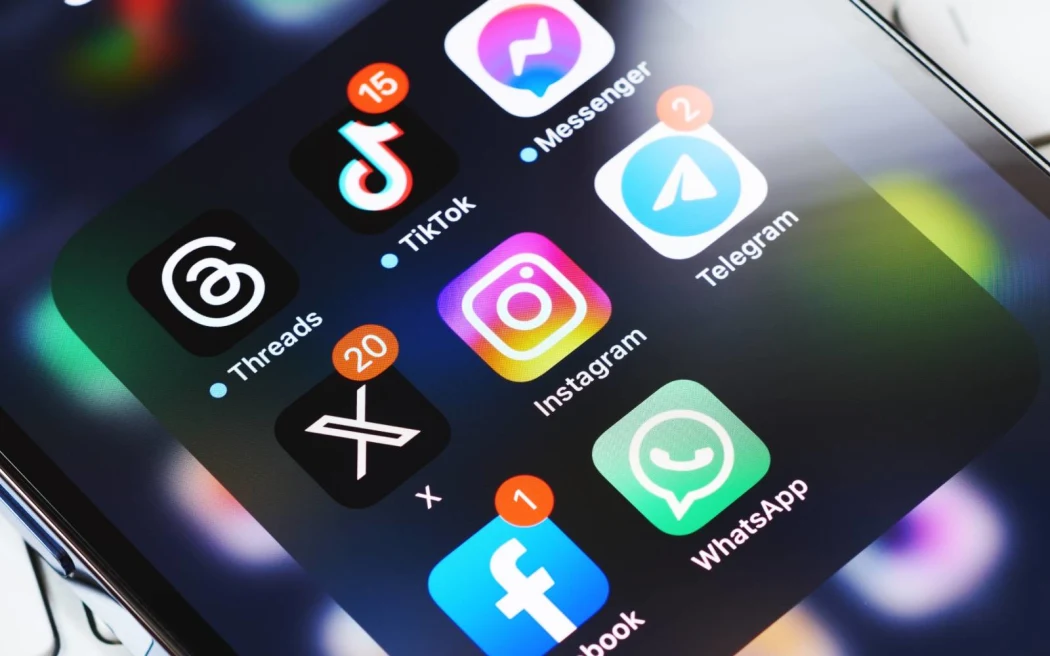
Governments across the world are moving to tighten controls on social media platforms such as Facebook and Instagram, citing rising concerns over children’s mental health, online safety and addictive digital behaviour. From Australia to Europe and Southeast Asia, countries are either enforcing bans or actively considering age-based restrictions for minors, marking a decisive shift in how states view the responsibility of Big Tech toward young users.
India has also begun preliminary discussions on the issue, with policymakers tracking global developments and weighing whether stronger regulatory safeguards are needed to protect children in the digital space.
Certified Cyber Crime Investigator Course Launched by Centre for Police Technology
Australia sets a global precedent
In December 2024, Australia became the first country globally to pass a law banning children under the age of 16 from accessing social media platforms. The legislation places the onus of compliance on technology companies, requiring them to implement effective age-verification systems and block underage users.
Australian authorities said the decision was driven by mounting evidence linking excessive social media use to anxiety, depression, self-harm and sleep disorders among children and adolescents. Since its passage, the law has emerged as a benchmark for governments worldwide exploring similar restrictions.
France acts, Europe debates age limits
France has already approved legislation restricting social media use for children under 15, with parental consent made mandatory and enforcement provisions strengthened. French lawmakers argued that voluntary safety measures introduced by platforms had failed to protect minors from harmful content and addictive design features.
Across Europe, momentum is building. In November 2025, the European Parliament recommended setting 16 years as the minimum age for social media use. Though not legally binding, the recommendation has intensified pressure on national governments to act.
Countries including Denmark, Greece, Spain and Ireland are examining regulatory frameworks to limit children’s access to social media. Legislators in these nations have expressed concern that existing safeguards — including platforms’ claims of enforcing a 13-year age threshold — are ineffective and easily bypassed.
UK considers tighter controls
In the United Kingdom, Prime Minister Keir Starmer has confirmed that his government is actively considering restrictions on children’s social media usage. He said protecting minors from online harm has become a priority and indicated that concrete policy steps could follow.
British officials have cited rising cases of cyberbullying, online exploitation and mental health issues among young users as key reasons for exploring tougher regulations.
Malaysia announces under-16 ban
In Southeast Asia, Malaysia has announced a ban on social media access for users below 16 years of age, as part of broader efforts to strengthen online safety laws. Authorities said the move was aimed at shielding children from harmful content and preventing long-term psychological harm.
India begins consultations
In India, the discussion is no longer limited to national policy circles. Goa, one of the country’s major tourism states, has initiated consultations on introducing restrictions along the lines of Australia’s model. The state’s IT minister said on January 27 that options to regulate children’s social media use are being examined, with a focus on balancing digital access and safety.
Officials said deliberations remain at an early stage, but global trends have prompted a reassessment of whether India’s existing digital safety framework is adequate.
Platforms under growing scrutiny
Despite claiming to enforce a 13-year minimum age, social media companies continue to face criticism for failing to prevent underage access. Regulators and child-rights groups argue that age-verification mechanisms are weak, easily circumvented and designed more to limit liability than to ensure child protection.
Experts warn that algorithm-driven content, infinite scrolling and engagement-maximising features have amplified risks for young users, strengthening calls for state intervention.
A broader global policy shift
The expanding list of restrictions reflects a wider reassessment of social media’s role — no longer viewed merely as communication tools, but as powerful systems with significant social and psychological consequences.
With more countries preparing legislation or pilot regulations, pressure is mounting on platforms owned by Meta and other tech giants. Observers say the next phase will determine whether companies adapt their business models or face increasingly fragmented regulatory regimes.
As India weighs its options, policymakers are closely watching how these international experiments unfold — and whether stricter controls can succeed where voluntary safeguards have fallen short.
About the author – Rehan Khan is a law student and legal journalist with a keen interest in cybercrime, digital fraud, and emerging technology laws. He writes on the intersection of law, cybersecurity, and online safety, focusing on developments that impact individuals and institutions in India.
