

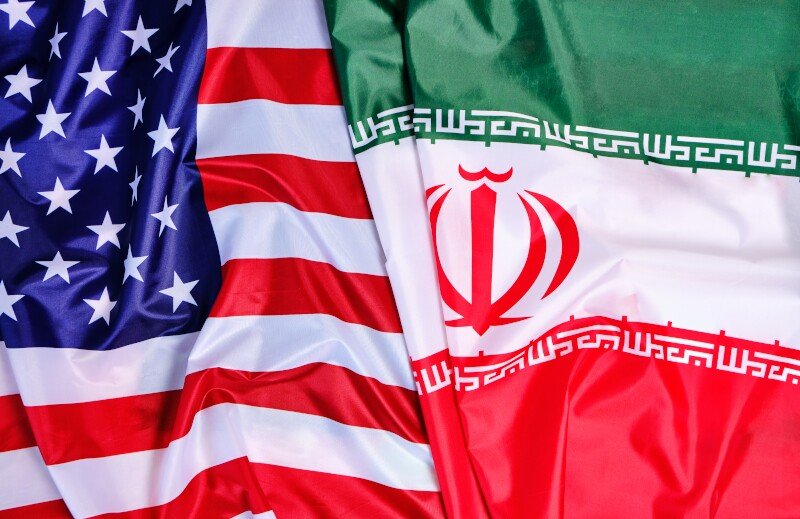
Amid escalating military tensions in West Asia, the 100-member US Senate voted 53–47 to block a bipartisan resolution that sought to require congressional approval before any new military action against Iran. With the proposal defeated, President Donald Trump now has political clearance to continue ongoing military operations against Iran without additional authorization from Congress.
The Senate vote comes as the United States and Israel have intensified strikes on Iranian military installations and strategic facilities for a fifth consecutive day. In response, Iran has launched missiles and drones toward Israel and US-allied Gulf states. Heightened air-defense activity across the region and increased surveillance along critical maritime routes have further deepened the crisis.
FCRF Launches Flagship Certified Fraud Investigator (CFI) Program
Sharp Divide in Congress
The proposed resolution aimed to tighten congressional oversight over the president’s war-making powers. Supporters argued that any large-scale military engagement required explicit approval from lawmakers to prevent the United States from sliding into a prolonged conflict. Opponents countered that such a measure would unduly restrict the executive branch’s constitutional authority, especially in matters involving national security and urgent threats.
Several Republican senators maintained that Iran’s military posture and alleged nuclear ambitions pose a direct threat to US interests, justifying swift and decisive action. Meanwhile, a number of Democratic lawmakers warned against dragging the country into “another endless war” in the Middle East, cautioning that extended military involvement could strain American resources and destabilize global security.
With 53 senators voting against the measure and 47 in favor, the administration faces no immediate legislative barriers to continuing current operations. A similar resolution is expected to be introduced in the House of Representatives, though its prospects remain uncertain.
Expanding Scope of Conflict
Over the past several days, joint US-Israeli operations have reportedly focused on Iran’s military infrastructure and key strategic sites. Tehran has signaled that it will respond to any attack with “equal or greater force,” raising concerns about further escalation.
Regional observers warn that if hostilities expand to include energy facilities or major shipping lanes, global oil supplies and freight costs could be affected almost immediately. Security at US military bases in the Gulf region has been heightened, while several international airlines have rerouted or suspended flights as a precaution.
Analysts emphasize that without parallel diplomatic engagement, the confrontation risks widening beyond its current scope.
Diplomacy Under Pressure
European governments have called for restraint and urgent dialogue. Discussions at the United Nations are reportedly underway amid growing international anxiety. Diplomatic circles suggest that unless both sides activate back-channel negotiations, the conflict could evolve into a broader geopolitical confrontation with global implications.
For now, the Senate’s decision provides the White House with strategic breathing room. However, rapidly shifting developments on the ground mean that the coming days will be critical in determining whether sustained military pressure leads to diplomatic resolution—or pushes West Asia closer to a prolonged and potentially wider war.
About the author – Rehan Khan is a law student and legal journalist with a keen interest in cybercrime, digital fraud, and emerging technology laws. He writes on the intersection of law, cybersecurity, and online safety, focusing on developments that impact individuals and institutions in India.
