

CHHATISGARH: The arrest of a former senior aide to Chhattisgarh’s ex-chief minister has pushed a sprawling liquor scam investigation into a sharper political and administrative focus, as federal authorities trace money flows they estimate at more than ₹3,200 crore.
An Arrest That Reopens an Old Case
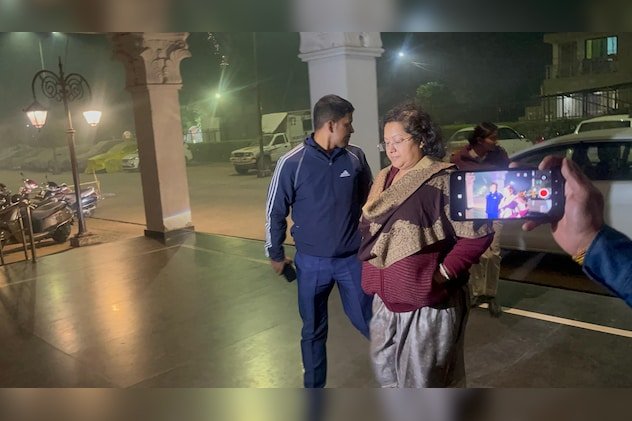
On Tuesday, India’s Enforcement Directorate (ED) arrested Saumya Chaurasia, a former deputy secretary to ex–Chief Minister Bhupesh Baghel, in connection with the alleged ₹3,200 crore Chhattisgarh liquor scam. The arrest came after nearly seven hours of questioning at the agency’s Raipur office, where investigators focused on her purported role in facilitating illegal transactions linked to the state’s liquor trade during the previous Congress-led government.
Chaurasia, considered a close aide to Baghel during his tenure, had been summoned earlier in the day as part of a widening probe into what officials describe as a systemic manipulation of excise policy and procurement mechanisms. By evening, the ED concluded that the scale and nature of the alleged irregularities warranted custodial interrogation, according to people familiar with the investigation.
Her arrest follows her recent release on bail in a separate case involving the coal levy scam, in which she had spent time in judicial custody, underscoring the overlapping nature of corruption probes now converging around Chhattisgarh’s former administration.
Inside the Alleged Liquor Network
According to the ED, the operation involved illegal commissions, off-the-books payments, and the misuse of government machinery to favour select intermediaries and suppliers.
Officials estimate the proceeds of crime at approximately ₹3,200 crore, a figure that places the case among the largest financial irregularity probes in the state’s history. The agency believes that the scheme relied on a tightly controlled network linking bureaucrats, private players and political functionaries, enabling the diversion of funds through layered transactions designed to evade detection.
During Chaurasia’s interrogation, investigators questioned her extensively about decision-making processes within the state administration, the role of intermediaries in liquor procurement, and the movement of funds allegedly generated through inflated costs and illegal commissions.
What Investigators Say They Found
Sources close to the inquiry said the questioning yielded what the ED considers crucial information on money flows and the operational structure of the alleged scam. Investigators are examining financial records, digital evidence and statements from multiple accused to map how the network functioned over time.
The agency maintains that the alleged wrongdoing was not episodic but systemic, unfolding over an extended period and embedded within administrative processes. This, officials argue, necessitates arrests to prevent tampering with evidence and to confront suspects with material gathered from parallel investigations.
Chaurasia is expected to be produced before a special court in Raipur on Wednesday at around 11 a.m., where the ED is likely to seek further custodial remand to deepen its inquiry.
Political Fallout and the Road Ahead
The case has significant political overtones. The ED’s focus on individuals closely associated with the previous chief minister has sharpened accusations and counter-accusations between the ruling establishment and the opposition. Supporters of the former government have characterised the investigation as politically motivated, while the agency insists it is following financial trails and documentary evidence.
