
Follow us on Google News

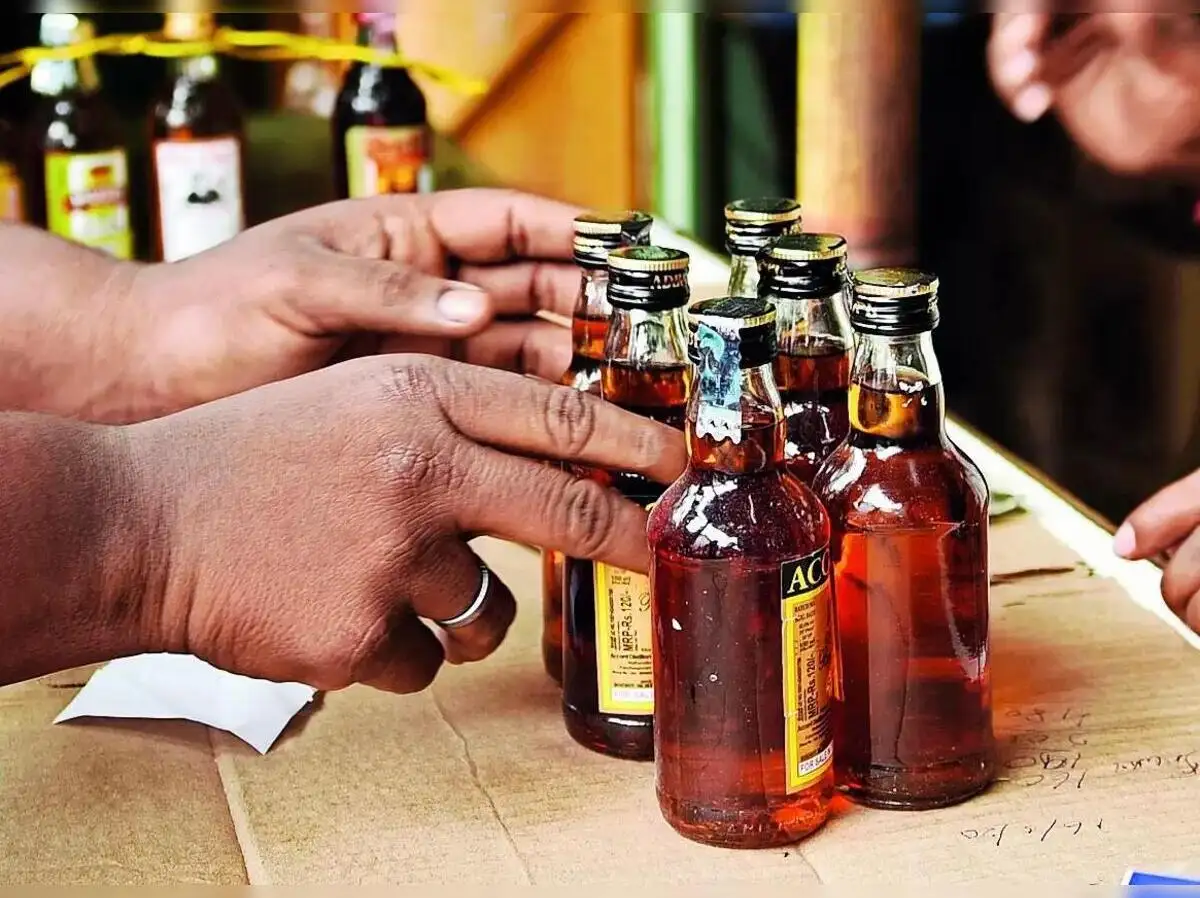
Saudi Arabia may soon allow certain high-income non-Muslim foreign residents to legally purchase alcohol for the first time in decades, marking what could become one of the most consequential social shifts in the kingdom’s modern history. The move — still unconfirmed officially — aligns with Crown Prince Mohammed bin Salman’s broader Vision 2030 agenda to liberalise the economy and attract global talent.
Non-Muslim Residents With High Income May Qualify
According to a Bloomberg report, the proposed policy would apply only to non-Muslim expatriates earning at least 50,000 Saudi riyals ($13,300) per month and holding a Premium Residency permit. Eligible individuals would also be required to provide salary verification through official documentation.
The plan proposes a point-based monthly quota for alcohol purchases, with sales restricted to a single designated store in Riyadh, currently the only legal outlet in Saudi Arabia. Access would remain tightly monitored, and purchases would be subject to government oversight through digital approval systems.
The Saudi government has not issued any confirmation or comment on the reported policy, but discussions have reportedly been ongoing within regulatory bodies.
Existing Liquor Store Access Limited to Diplomats
Opened in 2024, the liquor store in Riyadh’s Diplomatic Quarter presently serves only accredited foreign diplomats. Diplomats must apply for permission through a Saudi-run mobile app and are bound by strict quantity limits.
Reports suggest that officials may eventually open two additional outlets — one in Jeddah and another in Dammam — though these plans also remain unconfirmed.
Gradual Social Reforms Under Vision 2030
If implemented, the alcohol access policy would follow several historic reforms introduced under Vision 2030, including:
- Lifting the ban on women driving
- Allowing cinemas, concerts, and public entertainment
- Easing gender segregation norms
- Relaxing dress code expectations
These reforms are designed to modernise Saudi society, expand employment opportunities, and enhance the kingdom’s global competitiveness.
Analysts say the proposed alcohol rules would help attract senior expatriate professionals and international companies by aligning lifestyle options with global business hubs.
Religious Sensitivities and Historical Context
Despite the country’s ongoing transformation, alcohol remains one of the most socially and religiously sensitive topics in Saudi Arabia, the birthplace of Islam and home to Mecca and Medina. Consumption has been strictly banned since the 1950s, after an incident involving a Saudi prince and a British diplomat that triggered a total prohibition.
Violations of alcohol laws can result in imprisonment, fines, deportation, and flogging, though enforcement has shifted over time.
Officials have consistently reiterated that modernization efforts will not compromise Saudi Arabia’s Islamic identity, making any policy change extremely cautious and limited in scope.
Controlled Access in Special Zones Also Under Discussion
For years, speculation has persisted about allowing alcohol in tightly controlled areas such as:
- The Red Sea luxury tourism corridor
- Special economic zones like NEOM
- High-end island resorts catering to international travellers
These zones operate under separate regulatory frameworks aimed at attracting wealthy foreign visitors.
However, officials maintain that public alcohol consumption will remain banned, and any new permissions would apply only to a narrowly defined segment of the non-Muslim population under rigorous oversight.
Final Summary
Saudi Arabia is reportedly weighing a landmark policy that would allow high-earning non-Muslim expatriates limited access to alcohol under a tightly controlled quota system. While no official confirmation has been issued, the move aligns with the kingdom’s broader push toward economic modernization and global integration — but remains highly sensitive given longstanding religious prohibitions.