
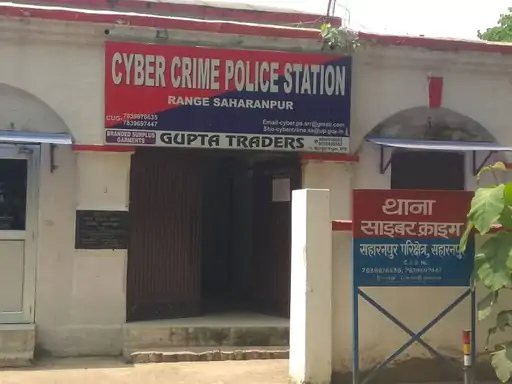
A 74-year-old resident of Saharanpur has allegedly been cheated of ₹12.76 lakh in a cyber fraud case involving a fake retirement benefit scheme. The victim, Krishna Gopal Sharma, was targeted by unknown cybercriminals who posed as government department employees and convinced him that special retirement-linked benefits were being processed in his favour. The case has prompted a cyber police investigation after a formal complaint was registered.
According to the complaint, the incident took place on June 8 when the elderly man received a phone call around 10:30 am. The caller introduced himself as a representative of a government department and claimed that the victim was eligible for certain retirement card benefits. The fraudster stated that formal verification procedures were required to activate these benefits and assured that the amount or related advantages would be credited directly after completion of the process.
Registration Begins for FutureCrime Summit 2026, India’s Largest Cybercrime Conference
Credential Harvesting and Deceptive Links
Believing the call to be genuine, the victim engaged in conversation and was gradually convinced by the caller’s confident and official tone. The accused then asked for sensitive financial details, including bank account numbers, customer ID, debit card information, and other personal banking credentials. Trusting the caller’s claims, the elderly man shared the requested information without suspicion.
Investigators said the fraud escalated when the accused sent a link to the victim’s mobile phone, claiming it was necessary to complete verification and activate the retirement benefit process. The victim was instructed to open the link and grant certain permissions required for authentication. Once the permissions were granted, it is suspected that the cybercriminals used a malicious remote-access application to mirror the device screen and gain unauthorized access to financial applications linked to the victim’s accounts.
High-Velocity Siphoning of Pension Funds
Shortly afterward, multiple unauthorized transactions began occurring across the victim’s bank accounts. Funds were transferred in phases through different channels to unidentified accounts. By the time the victim realized something was wrong, a total amount of ₹12,76,500 had already been siphoned off. He immediately contacted his bank, where the fraudulent transactions were confirmed. The victim then filed a complaint through the national cybercrime reporting portal and informed local authorities.
Police have registered a case against unknown individuals and initiated a detailed investigation. Officials are examining bank transaction records, mobile numbers used in the fraud, digital footprints, and online payment trails to trace the destination of the stolen funds. Efforts are underway to identify the network involved in routing and withdrawing the money through multiple accounts.
Targeting Inexperienced Elderly Citizens
Cybersecurity experts say such cases are becoming increasingly common, especially where fraudsters impersonate government officials and exploit themes such as retirement benefits, pension updates, KYC verification, or account activation alerts. Elderly citizens are often primary targets due to their trust in official communication and limited familiarity with digital fraud tactics.
Cybercrime expert and former IPS officer Prof. Triveni Singh noted that fraudsters increasingly rely on social engineering techniques to manipulate victims emotionally and psychologically. He explained that criminals build credibility through structured communication, fake documentation, and convincing narratives before initiating financial exploitation. He advised citizens to avoid sharing banking details, OTPs, card information, or granting permissions through unknown links under any circumstances.
Urgent Administrative Directives
Authorities have urged citizens to remain cautious and verify any financial or government-related communication directly through official channels. They emphasized that no legitimate institution asks for sensitive banking information or mobile permissions through unsolicited calls or messages. People have also been advised to immediately report suspicious activity to banks and cybercrime helplines.
The investigation remains ongoing, and officials are hopeful that digital forensic analysis will help identify the perpetrators and uncover the broader network behind the scam. Further updates are expected as authorities trace the flow of funds and examine technical evidence linked to the case.
