


MUMBAI: As digital payments scale at unprecedented speed, India’s central bank is pressing lenders to rethink how they fight fraud—arguing that isolated defences are no match for system-wide risks that now cut across banks, platforms and technologies.
A Push Beyond Siloed Defences
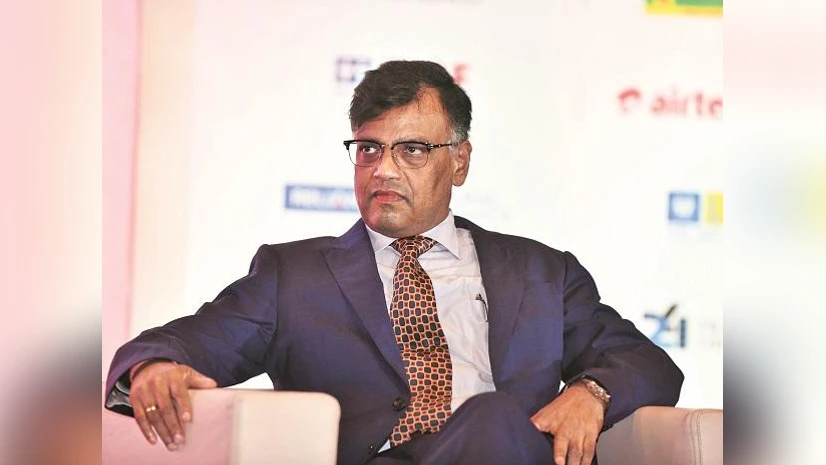
At a time when digital transactions run into billions each month, the Reserve Bank of India has sharpened its message to banks: fraud prevention can no longer be a standalone exercise carried out within individual institutions. Speaking at the IBA Banking Technology Conference in Mumbai, T Rabi Sankar, Deputy Governor of the Reserve Bank of India, urged banks to move beyond siloed approaches and collaborate more closely on shared platforms designed to detect and respond to fraud at scale.
Sankar’s remarks came against a backdrop of declining fraud rates in payment systems, including UPI—an improvement he acknowledged, but one he said was insufficient. Even lower rates of fraud, he stressed, remain “not acceptable” given the scale of India’s digital economy and the trust that underpins it. The stated goal, he said, must be a zero-fraud environment, understood not as an achievable endpoint but as a constant discipline of vigilance.
Mule Hunter and the Case for Shared Intelligence
Central to the RBI’s current strategy is the Mule Hunter initiative, a platform being developed by the RBI Innovation Hub in consultation with banks. The system is intended to identify mule accounts—bank accounts used to route or launder fraudulent funds—and to improve recovery outcomes when fraud does occur.
Sankar argued that traditional, bank-level fraud detection systems are no longer sufficient in an ecosystem where criminals exploit gaps between institutions. Mule Hunter, he said, can be effective only if banks participate actively and treat it as trusted digital public infrastructure. By enabling controlled, cross-bank intelligence sharing, the platform aims to flag suspicious account behaviour earlier and limit the dissipation of funds across multiple institutions.
“If we can identify mule accounts,” Sankar said, “even if a fraud happens, we can still protect or improve recovery of the amount that could have been lost.”
AI, Data Sharing and the Limits of Standalone Systems
A recurring theme in Sankar’s address was the role of artificial intelligence and system-wide data sharing in addressing emerging risks. AI-led approaches, he noted, are essential precisely because fraud patterns now evolve faster than rule-based systems can keep pace with.
He cautioned that standalone detection tools, confined within individual banks, struggle to capture the full picture of coordinated fraud. Platforms such as Mule Hunter and the proposed Digital Payments Intelligence Platform, he said, are designed to aggregate signals across institutions while safeguarding data security through controlled access and governance.
To accelerate implementation, Sankar called on banks to keep their technology and operations teams closely engaged with the RBI Innovation Hub and internal fintech departments, warning that delays and fragmented execution would blunt the effectiveness of these initiatives.
From Prevention to Post-Fraud Response
While prevention remains critical, Sankar placed equal emphasis on what happens after fraud is detected. Trust in digital banking, he said, depends not only on stopping fraud but also on the speed and effectiveness of post-fraud responses—particularly the rapid freezing of funds, stronger due diligence on mule accounts and the creation of reliable feedback loops between banks.
“Inertia and incrementalism don’t work in an era of rapid technological change,” he said, urging lenders to re-engineer processes alongside technology upgrades. Faster coordination, clearer accountability and operational readiness, he suggested, are as important as sophisticated tools if innovation is to translate into real protection for customers.
