

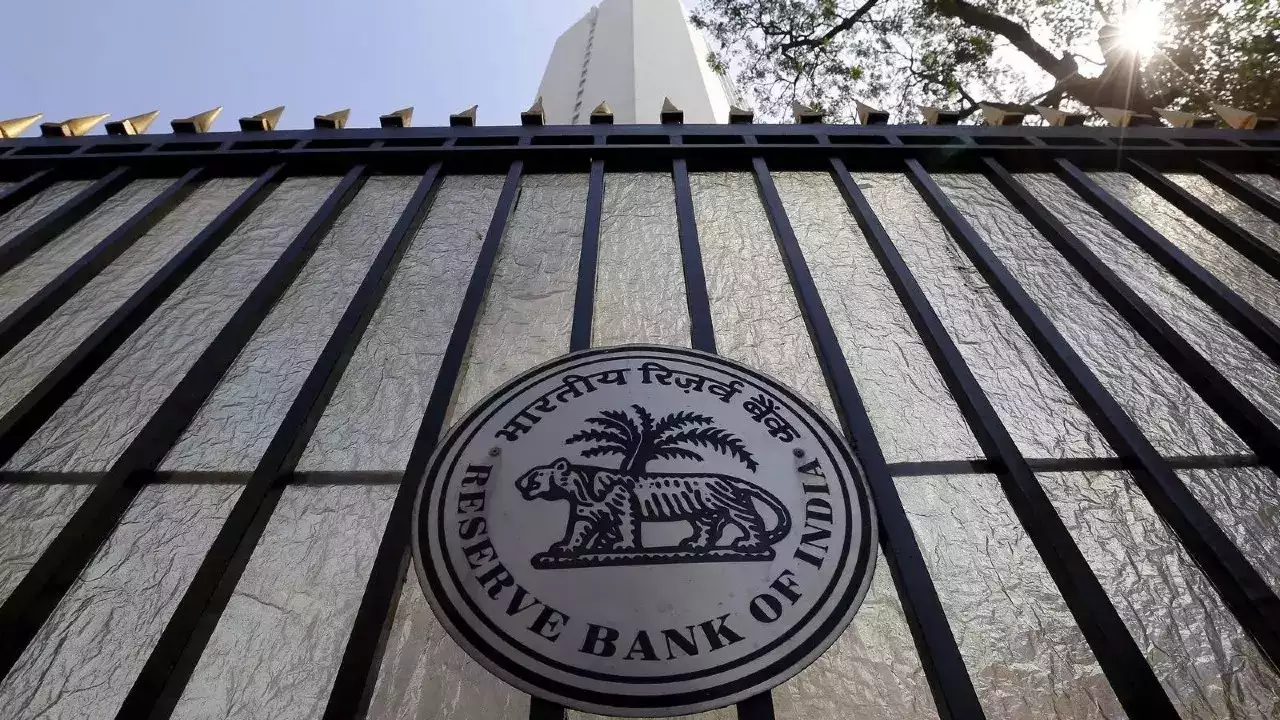
In a significant consumer-protection move, the Reserve Bank of India has issued draft guidelines to rein in harassment, intimidation and public shaming during loan recovery. The proposed norms seek to prohibit abusive language, repeated calls, anonymous contact, threats, coercion and pressure on borrowers’ relatives or colleagues by recovery agents.
The central bank has invited feedback on the draft until March 4, 2026, with the rules proposed to come into force from July 1, 2026. If implemented, the framework is expected to make the recovery process more transparent, accountable and humane.
Contact allowed only during fixed hours
Under the draft, recovery agents will be permitted to contact borrowers only between 8 am and 7 pm. Repeated calls, calls from unidentified numbers and harassing messages will be barred. If a borrower requests not to be contacted at a particular time, banks will be required to respect that request under normal circumstances.
Certified Cyber Crime Investigator Course Launched by Centre for Police Technology
No calls to relatives, neighbours or colleagues
Agents will be allowed to interact only with the borrower or the guarantor. Contacting relatives, neighbours, friends or co-workers to exert pressure will not be permitted. However, agents may visit the borrower’s residence or workplace if the borrower is unavailable at the designated location on two consecutive occasions.
Mandatory call logs, recordings and data safeguards
Banks will have to maintain records of the number and timing of calls and ensure mandatory call recordings. Borrower information must be used strictly for recovery purposes and cannot be misused for any other objective.
Lenders will also be required to publicly display an updated list of authorised recovery agents across branches and digital platforms.
Written notice before assigning recovery agents
Before handing over an account to a recovery agent, banks must issue a written notice to the borrower detailing the agent’s name, contact information and authority. Any change in the agent will also have to be formally communicated.
If a borrower’s complaint is pending, the account cannot be transferred to a recovery agent until the grievance is resolved.
Grievance mechanism and certification mandatory
Banks must establish a dedicated grievance redressal system for recovery-related complaints. Recovery agents will be required to undergo proper training and obtain certification from the Indian Institute of Banking and Finance (IIBF). A formal code of conduct will govern their behaviour, mandating civility and professionalism during interactions.
Ban on target-linked incentives
The RBI has asked banks not to enter into contracts that set recovery targets or incentives for agents, as such structures often encourage coercive practices.
For microfinance loans, recoveries must be conducted only at mutually agreed locations, and agents must avoid collection efforts during sensitive situations such as weddings, bereavements, festivals or family emergencies.
What will change on the ground
Once implemented, the proposed norms are expected to curb harassment, improve oversight of recovery practices and provide borrowers relief from mental stress and public humiliation. The onus of compliance will shift more firmly onto banks, making the process rule-based and auditable.
Overall, the move is seen as a major step toward strengthening borrower rights and ensuring that loan recovery is carried out in a dignified, transparent and regulated manner.
About the author – Rehan Khan is a law student and legal journalist with a keen interest in cybercrime, digital fraud, and emerging technology laws. He writes on the intersection of law, cybersecurity, and online safety, focusing on developments that impact individuals and institutions in India.
