

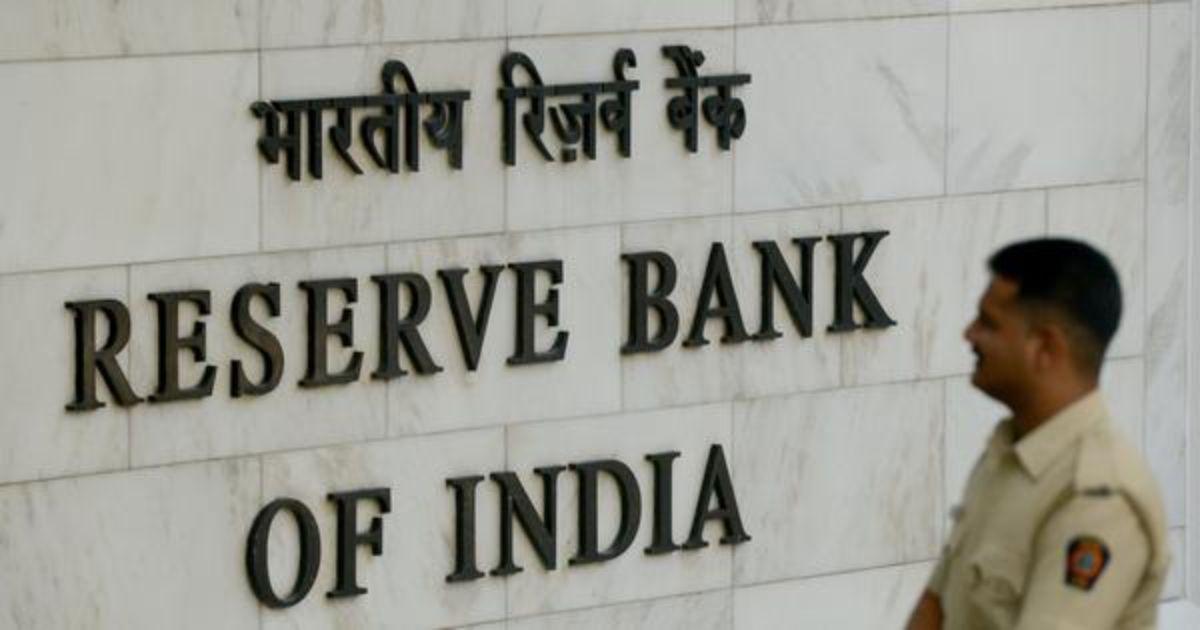

Mumbai: In a major step to strengthen consumer protection and accountability in India’s financial system, the Reserve Bank of India (RBI) has announced a two-month special campaign to fast-track long-pending customer complaints against banks and non-banking financial companies (NBFCs).
Starting January 1, 2025, and continuing until February 2026, the initiative — internally dubbed “Operation Clean Complaints” — will focus on clearing all cases pending for more than 30 days under the RBI’s grievance redressal framework.
The central bank said the campaign is designed not only to reduce complaint pendency but also to reinforce transparency, efficiency, and customer-centric governance across the banking and NBFC ecosystem.
Spike in Complaints Overwhelms Ombudsman System
Over the past year, the RBI has witnessed an unprecedented surge in customer complaints linked to banking services and digital transactions. According to the regulator’s latest data, 13.34 lakh complaints were filed during FY 2024–25, marking a 13.55% jump over the previous year.
Among these, the highest share — 29.25% — pertained to loans and advances, followed by credit card-related grievances. Meanwhile, complaints linked to mobile and internet banking dropped slightly to 12.74%.
The RBI noted that 81.53% of all complaints were against banks and another 14.80% involved NBFCs. Although 99.8% of complaints are resolved within stipulated timelines, the massive volume has led to record-level backlogs in some categories, prompting the regulator’s intervention.
Ombudsman Scheme: The First Line of Consumer Defense
RBI’s Integrated Ombudsman Scheme serves as a key mechanism for protecting consumers from unfair or deficient financial services. Customers can lodge complaints if a bank or NBFC –
- Levies unauthorized or excessive charges,
- Engages in mis-selling or billing errors,
- Fails to execute digital transactions, or
- Provides poor customer service.
However, the steep rise in cases has caused delays in processing and resolution. Several complaints have remained unresolved beyond 30 days — an issue that has eroded customer confidence and strained the redressal system.
‘Operation Clean Complaints’: No Case to Remain Pending Beyond 30 Days
Under the new initiative, RBI will conduct a special clearance drive across all regulated entities. The directive mandates banks and NBFCs to review and dispose of every complaint pending beyond 30 days during the campaign period.
The focus will be on improving both the speed and quality of grievance resolution, ensuring customers receive not just faster but also fairer outcomes. RBI has emphasized that institutions must take proactive steps to prevent future backlogs by strengthening their internal grievance-handling frameworks.
Governor’s Message: Customer at the Core, Delays Unacceptable
RBI Governor Sanjay Malhotra underscored the regulator’s commitment to a customer-first approach, stating,
“Timely resolution of complaints is the backbone of trust in financial services. The sector must evolve from compliance-driven to genuinely customer-driven operations.”
He added that the RBI has already begun publishing monthly reports on pending and resolved complaints to enhance transparency. The new campaign, he said, is a “decisive step toward system-wide accountability.”
Why This Initiative Matters
India’s financial system has expanded rapidly, fueled by digital transactions and fintech innovation. However, this growth has also led to rising instances of fraud, failed transactions, unauthorized charges, fake lending apps, and poor service delivery.
Experts warn that unresolved grievances threaten to undermine consumer trust — a critical pillar for sustained financial stability. By fast-tracking old complaints, the RBI is signaling that delays, negligence, and opacity will no longer be tolerated.
Banks and NBFCs are now expected to treat customer convenience not as a regulatory requirement, but as a core responsibility.
A Step Toward Restoring Consumer Trust
The special drive is expected to bring much-needed relief to millions of customers awaiting resolution. It also aims to rebuild public confidence in the financial system by fostering a culture of accountability, transparency, and responsiveness.
As the RBI put it succinctly:
“Every customer matters — big or small. Their time, trust, and experience are at the heart of India’s financial ecosystem.”
In conclusion, the RBI’s “Operation Clean Complaints” is not merely an administrative clean-up; it’s a strong signal to the entire financial sector that efficiency, empathy, and ethics must go hand-in-hand. Transparency is no longer optional — it’s the new baseline for trust in banking.
