

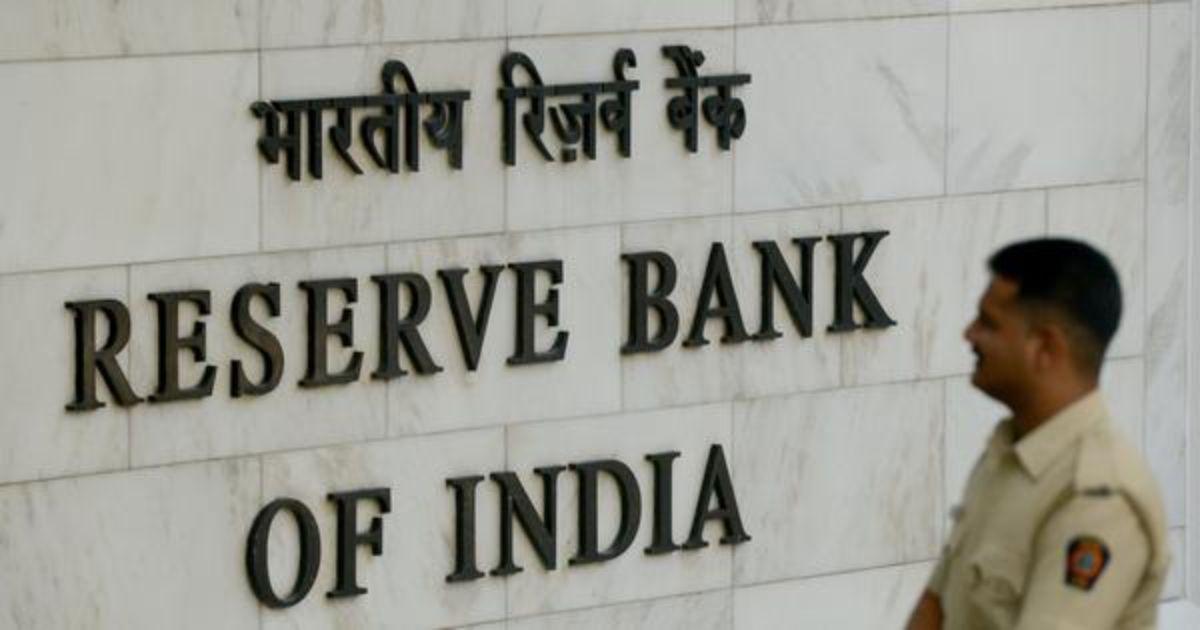
India’s cryptocurrency market has grown rapidly over the past few years — but the risks are rising just as fast. In its latest Financial Stability Report, the Reserve Bank of India (RBI) has cautioned that widespread use of stablecoins could pose a serious threat to the country’s overall financial stability.
While India has imposed taxes on crypto trading and transactions, there is still no comprehensive regulatory framework. Policymakers continue to debate how to balance innovation with safety — and the RBI’s new warning adds urgency to that discussion.
Why stablecoins worry regulators
According to the report, stablecoins have become a central pillar of the crypto ecosystem. They are typically pegged to a supposedly “stable” asset — most often a foreign currency — to reduce price volatility.
But the RBI argues that greater reliance on foreign-denominated stablecoins could weaken a nation’s monetary sovereignty. This may eventually:
- Undermine confidence in local currency
- Complicate oversight of capital flows
- Introduce instability in payment systems
Before allowing stablecoins to function as a substitute for money, the RBI says, countries must recognize that these tokens do not meet the foundational requirements of a robust financial system.
Why CBDC is being prioritized
Instead, the report highlights the advantages of a Central Bank Digital Currency (CBDC) — India’s official digital rupee — which promises trust, security and transparency along with:
- Faster settlements
- Lower transaction costs
- Stronger supervisory visibility
For these reasons, the RBI believes CBDCs should be preferred over private stablecoins, in India and elsewhere, as governments work to safeguard consumer trust and financial stability.
“Not currency — just a piece of code”
Earlier, RBI Deputy Governor T. Rabi Sankar made it clear that cryptocurrencies do not qualify as “money.” In his words, they:
- Offer no guaranteed value
- Carry no promise of payment
- Are issued by no central authority
Crypto tokens, he argued, are essentially “a piece of code,” not genuine financial assets — and their prices are driven largely by speculation.
Even so, blockchain-based assets continue to attract investors worldwide because of their decentralized nature and technological appeal.
No ban — but tough taxes
India has not banned crypto outright. Instead, the government has tried to curb speculative use by imposing:
- 30% tax on profits
- 1% TDS on transactions
Experts say this approach helps authorities gather data and better understand risks — without shutting down the market entirely.
The road ahead — caution and clearer rules
The RBI’s warning underscores that crypto is not merely a technology or investment story. It is deeply linked to monetary policy, consumer protection and economic stability.
Policy analysts believe three priorities will shape India’s next steps:
- 1. Clear and stringent regulations
- 2. Greater public awareness of risks
- 3. Broader rollout of safer alternatives like CBDC
The debate around stablecoins signals that regulators may move more decisively in the months ahead — aiming to protect innovation, while ensuring the financial system remains secure and resilient.
