
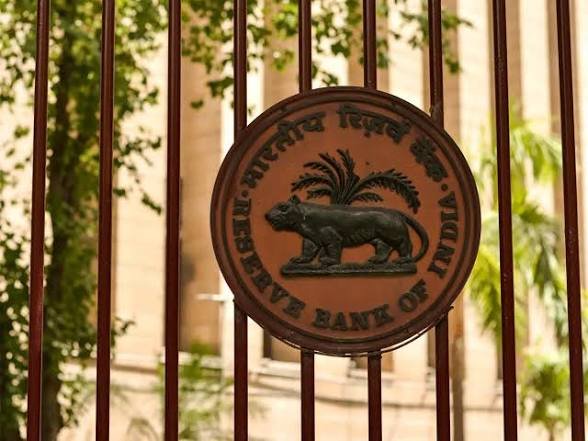
The Reserve Bank of India launched a discussion paper on Thursday seeking public feedback on a proposed four-pronged strategy designed to mitigate the rising threat of digital payment frauds. This move follows an earlier announcement in February where the regulator expressed its intent to explore additional safeguards for the digital banking ecosystem. The central bank has requested that stakeholders and members of the public submit their comments on the suggested measures by May 8.
Proposed Measures to Enhance Transaction Security
The RBI has outlined specific technical and procedural interventions to curb cybercrime. A primary proposal includes the introduction of lagged credit for high value push payment transactions, which would create a deliberate window of time before funds are finalized. Additionally, the regulator is considering a requirement for an extra layer of authentication by a trusted person for significant transactions. Other measures involve restricting large credits only to accounts that have undergone sufficient review and allowing customers to apply their own induced controls for high value digital activity.
Rising Scale of Digital Frauds in India
The urgency of these measures is highlighted by recent data showing a steady increase in both the volume and value of fraudulent activities. Digital fraud cases rose to 28 lakh in 2025, up from 24 lakh recorded in 2024. During the same period, the total financial impact of these frauds increased to 22,931 crore rupees from 22,848 crore rupees in the previous year. These figures underscore the evolving challenges facing the banking sector as digital adoption continues to expand across the country.
Framework for Business Correspondents and Last Mile Access
In a separate move to strengthen the financial infrastructure, the RBI also released draft norms regarding the engagement of banks with business correspondents. These intermediaries are essential for providing banking services such as deposits and loans in remote and underserved areas. The regulator has proposed a new classification system for delivery points, identifying them as branches, Business Correspondent Banking Outlets, or Business Correspondent Banking Touchpoints. The new framework aims to simplify eligibility criteria for lenders and enhance the efficiency of those functioning as critical enablers of financial inclusion.
