

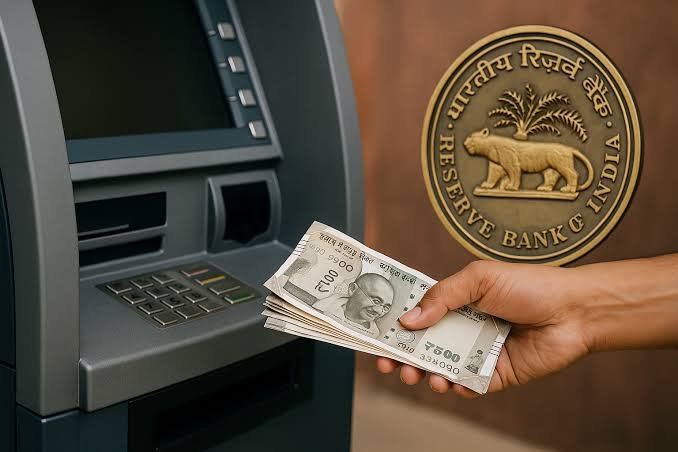

New Delhi: At times, customers face a situation where an ATM does not dispense cash but the amount is still deducted from their bank account. Such incidents can be frustrating and worrying for account holders. However, banking regulations in India clearly protect customers in such cases and ensure that the deducted money is returned.
The banking system has established procedures for handling ATM transaction failures. If cash is not dispensed but the account is debited, the bank is required to investigate the transaction and refund the amount according to prescribed rules.
Keep transaction details safely recorded
In such a situation, the first step for the customer should be to preserve all details related to the transaction. This includes the debit SMS or alert received from the bank, the ATM location, and the exact date and time of the transaction.
These details are important when filing a complaint with the bank. If the ATM machine generated a receipt or slip, it should also be kept safely, as it can serve as useful proof that the transaction did not result in cash being dispensed.
Algoritha Security Emerges As India’s Leading Corporate Investigation Powerhouse
Inform the bank immediately
Customers should report the issue to their bank as soon as possible. Complaints can usually be filed through the bank’s mobile application, internet banking portal, customer care helpline, or by visiting the nearest branch.
Banking experts generally recommend lodging the complaint within 24 to 48 hours. Doing so allows the bank to quickly review transaction records and ATM logs, making the investigation easier and faster.
What the RBI rules say
The Reserve Bank of India has issued clear guidelines for cases where an ATM transaction fails but the account is still debited. According to these rules, banks must resolve the issue and credit the full amount back to the customer’s account within five working days.
To verify the incident, banks typically examine the ATM’s transaction logs, electronic journal records, and cash reconciliation reports to determine whether the machine actually dispensed cash. If the investigation confirms that no cash was delivered, the deducted amount is credited back to the customer’s account.
Compensation for delays
If the bank fails to return the money within the stipulated time frame, it may be required to pay compensation to the customer. As per the rules, banks can be liable to pay ₹100 per day as a penalty for the delay.
This compensation continues until the deducted amount is refunded to the customer’s account. The provision is intended to ensure that banks address such complaints promptly and do not cause unnecessary inconvenience to customers.
Escalating the complaint if needed
If the issue remains unresolved even after reporting it to the bank, customers can escalate the matter further. The Reserve Bank of India provides an online complaint management system where customers can register complaints related to banking services.
Once the complaint is filed, the case is reviewed and appropriate action is taken according to banking regulations.
Awareness is important in the digital banking era
Experts say that as digital banking and ATM services continue to expand, it is increasingly important for customers to be aware of their rights and the procedures available to resolve such issues.
Instead of panicking, customers should follow the proper complaint process and keep transaction records safe. Doing so significantly increases the chances of getting the deducted amount refunded quickly and without complications.
