

AJMER: After years of recruitment scandals fueled by forged degrees and unverifiable certificates, Rajasthan’s public hiring system is being rewired at its weakest link: document verification. A new mandate to embed QR codes and link credentials directly to university databases promises speed and transparency—while raising fresh questions about oversight, capacity, and trust.
A System Strained by Forgery
For more than a decade, recruitment agencies across Rajasthan have grappled with a recurring problem: candidates clearing competitive examinations only to be flagged later for questionable or outright fake educational credentials. The delays caused by manual verification—often involving correspondence with distant universities—have slowed appointments, invited litigation, and eroded confidence in public hiring.
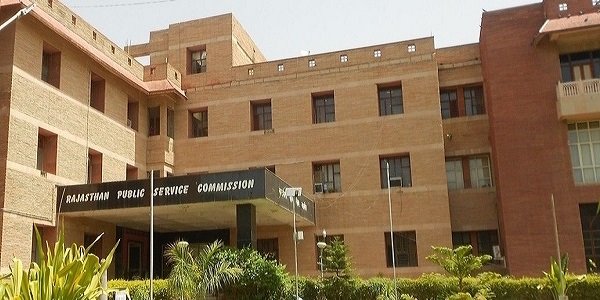
Ramnivas Mehta, the secretary of the Rajasthan Public Service Commission (RPSC), acknowledged that document fraud had become a systemic risk. During post-exam scrutiny, officials repeatedly encountered forged degrees and altered mark sheets, some of them sophisticated enough to evade cursory checks. Each such case, he said, translated into months of stalled recruitment and administrative uncertainty.
The new policy, endorsed by the state government at the Commission’s urging, is meant to address this bottleneck at scale rather than through ad hoc crackdowns
One Click to the Source
At the heart of the reform is a simple but consequential shift: every degree, diploma, marksheet and migration certificate issued by universities in Rajasthan—public and private—must now carry a QR code. Scanning that code will take recruiters directly to the issuing university’s digital record, allowing instant confirmation of authenticity.
“This is not just about convenience,” Mr. Mehta said. “It fundamentally changes the balance between trust and verification.”
Instead of relying on photocopies, notarized affidavits, or delayed responses from registrars’ offices, recruitment bodies can compare a candidate’s submission with the university’s original data in real time. Officials believe the system will sharply reduce the window in which forged documents can circulate undetected, while also accelerating the overall hiring process.
Standardizing the Academic Trail
Beyond QR codes, the reform pushes universities toward a standardized enrollment framework. Each student will receive a year-wise, sequential enrollment number, designed to prevent retrospective manipulation of academic records. In theory, this creates a continuous digital trail from admission to graduation.
The directives, issued by the Department of Technical Education on September 3, 2025, and by the Higher Education Department on September 26, 2025, instruct universities to align their databases with these requirements. Recruitment agencies, in turn, will depend on these standardized records as the definitive source of truth.
Administrators say the changes respond to long-standing gaps between universities’ record-keeping practices and the needs of state hiring bodies—gaps that fraudsters have repeatedly exploited.
Speed, Transparency—and New Pressures
While the policy promises transparency, it also places new demands on universities, many of which are still upgrading their digital infrastructure. Ensuring that databases are accurate, secure, and consistently updated will be critical; a broken link or outdated record could unfairly stall a legitimate candidate.
There are also broader questions about data governance. Centralizing verification through digital access increases efficiency, but it also concentrates responsibility. Any errors in university records may now surface instantly in high-stakes recruitment decisions.
