
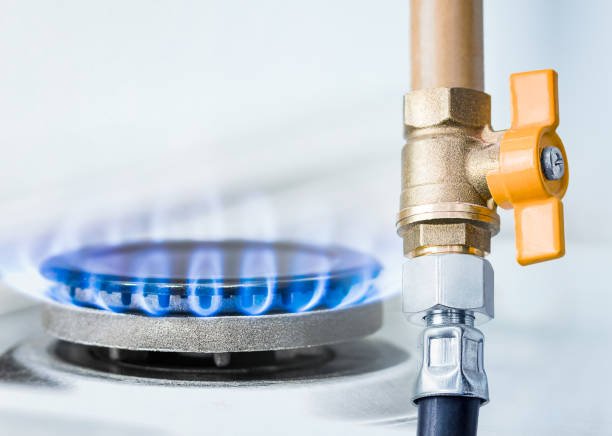
The Central Government has directed a mandatory transition to piped natural gas (PNG) in areas where pipeline infrastructure is available, signalling a major shift in India’s domestic fuel distribution policy.
Under the new directive, households with access to PNG will no longer be eligible to continue using liquefied petroleum gas (LPG) cylinders if they fail to switch within the prescribed timeframe. The move is part of a broader strategy to streamline fuel supply and reduce dependence on LPG amid global supply disruptions.
LPG Supply To Be Phased Out In PNG-Connected Areas
As per the policy, LPG supply will be discontinued for households located in areas already serviced by piped gas networks. Consumers are expected to transition to PNG within a limited period—reported to be around three months—after which LPG access may be withdrawn.
Additionally, households that already have PNG connections will not be allowed to retain or refill LPG cylinders, reinforcing the government’s push to eliminate dual usage and optimise distribution.
FCRF Launches Premier CISO Certification Amid Rising Demand for Cybersecurity Leadership
Driven By Energy Security And Supply Concerns
The decision comes against the backdrop of ongoing disruptions in global oil and gas supply chains, particularly due to geopolitical tensions in the Middle East. These disruptions have impacted LPG imports, prompting the government to prioritise alternative domestic fuel systems.
India imports a significant portion of its LPG requirements, making the country vulnerable to external shocks. The shift to PNG is aimed at reducing this dependency while ensuring a more stable and reliable energy supply.
Push For Gas-Based Economy And Infrastructure Expansion
The move is backed by the Natural Gas and Petroleum Products Distribution Order, 2026, notified under the Essential Commodities Act, 1955. The order seeks to accelerate the expansion of pipeline infrastructure and improve last-mile connectivity for PNG across residential and commercial sectors.
It introduces a streamlined regulatory framework for laying and expanding pipelines, enabling faster rollout of city gas distribution networks and promoting natural gas as a cleaner alternative fuel.
Implications For Consumers
For households, the policy marks a significant shift in cooking fuel usage:
- Mandatory migration to PNG where available
- Possible discontinuation of LPG connections after transition window
- No dual usage of LPG and PNG allowed
While PNG is considered more efficient and environmentally friendly, the transition may require initial installation costs and infrastructure readiness at the household level.
The government maintains that the policy will improve efficiency in fuel distribution and reduce duplication of subsidies and supply chains. However, the transition is expected to require careful implementation to avoid inconvenience to consumers, particularly in semi-urban areas where pipeline connectivity may still be evolving.
A Structural Shift In India’s Energy Landscape
The directive reflects a larger policy shift towards a gas-based economy, with PNG and CNG playing a central role in India’s future energy mix. As infrastructure expands, the government aims to gradually reduce reliance on LPG and move towards more sustainable and domestically managed fuel systems.
About the author – Rehan Khan is a law student and legal journalist with a keen interest in cybercrime, digital fraud, and emerging technology laws. He writes on the intersection of law, cybersecurity, and online safety, focusing on developments that impact individuals and institutions in India.
