

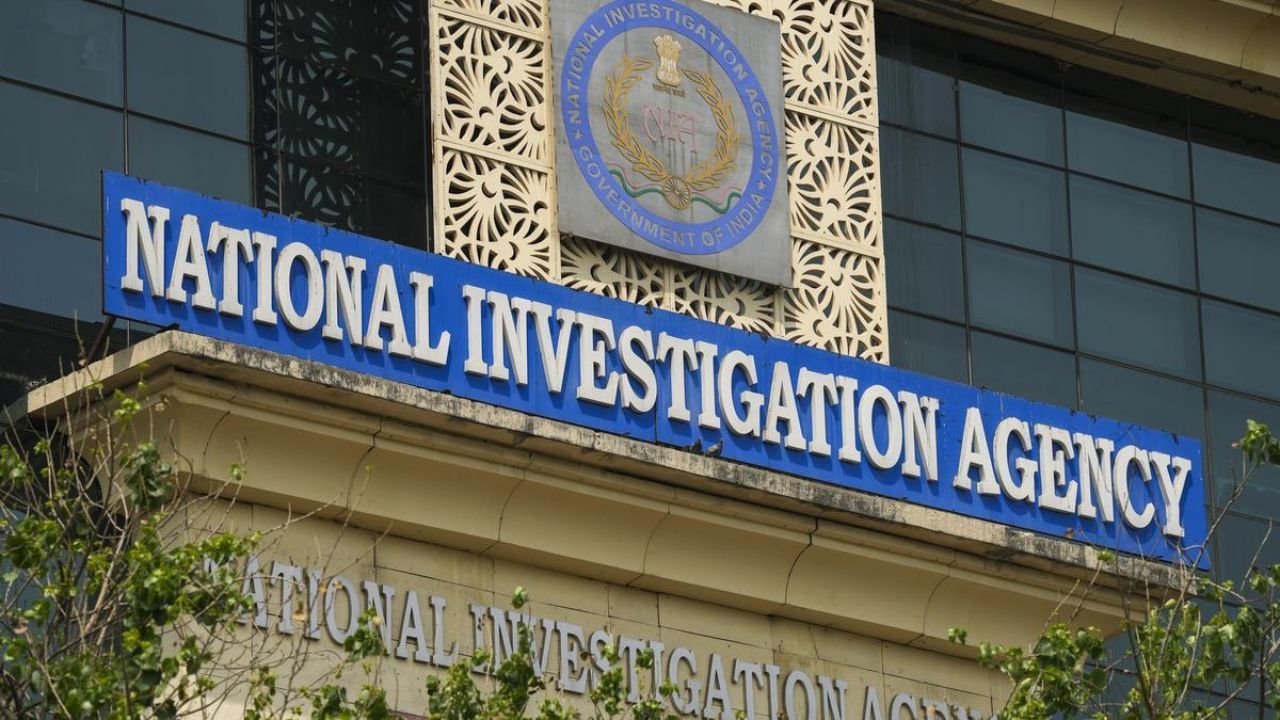

Saharanpur. The investigation into the recovery of fake currency notes worth ₹17.29 crore from a Punjab National Bank currency chest has taken a new turn, with investigators widening the probe into the employees, assets and possible network linked to the case. The National Investigation Agency has taken over the matter and re-registered the case. Following the arrest of suspended currency chest manager Amit Kumar, the investigation has now moved beyond the movement of cash inside the bank to the financial activities and possible links of people associated with the currency chest.
The focus has particularly shifted to an outsourced employee who reportedly earned around ₹11,000 a month but allegedly owns five houses, a Scorpio and a Verna, besides two motorcycles. The ownership of these properties and vehicles, as well as the source of funds used to acquire them, is still being investigated.
Proposal for Conducting Cyber Crisis Drill, Tabletop Exercise (TTEx) & CCMP Readiness Exercise
The employee, who was deployed as a driver and loader at the currency chest, is reportedly close to suspended manager Amit Kumar. Investigators have found that although his official duties involved driving and loading, he allegedly functioned more like a personal assistant to the manager and spent much of his time inside the currency chest. Investigators are now examining the nature and extent of his access to the currency chest and his actual role there.
The probe has also found that despite being assigned driving duties, the employee allegedly hired another person to drive for around ₹500 a day instead of performing the duty himself. Investigators are examining whether this arrangement has any connection with his financial circumstances and assets. They are also trying to establish how his known sources of income compare with the properties and vehicles reportedly linked to him.
Police also raided the employee’s residence in Manakmau on Wednesday. Documents and other information recovered during the search are being examined as part of the investigation. Agencies are looking into property purchases, vehicle ownership and related payments. They are also examining whether any of these assets could have a direct or indirect connection with transactions allegedly linked to the counterfeit currency case.
The NIA is currently focusing on four major links in the case. The first is determining when and how the ₹17.29 crore worth of fake notes entered the currency chest. Cash movement records, chest records, transaction details and the activities of employees associated with the facility are being examined. Investigators are also looking into whether any bank employee or outsider played a role in bringing the counterfeit notes into the chest.
The second line of inquiry concerns the possible exchange of genuine currency. Investigators want to determine where the genuine money allegedly went if counterfeit notes were placed inside the currency chest in their place. Cash records and banking transactions are being examined to identify discrepancies, while accounts involving large transactions are also under scrutiny.
The third and most significant question concerns the source of the counterfeit currency. The agency is trying to establish where such a large quantity of fake Indian currency was produced and how it reached the currency chest in Saharanpur. If the investigation establishes the involvement of an external or foreign network, the case could potentially lead to a larger counterfeit currency network operating in western Uttar Pradesh.
The fourth line of inquiry concerns the possible circulation of the fake notes in the market. Investigators are examining whether the counterfeit currency remained confined to the currency chest or whether some of it entered the banking system and subsequently reached the market. The movement of cash in nearby districts and other states could also come under scrutiny as the investigation progresses.
The central question remains how such a large quantity of counterfeit currency entered a banking facility responsible for the secure storage and movement of genuine Indian currency. Along with bank officials, investigators are examining employees who had regular or special access to the currency chest.
The recovery of ₹17.29 crore in counterfeit currency has therefore turned the case into a multi-layered investigation. While agencies are tracing the source of the fake notes and any wider network behind them, they are also examining their alleged entry into the bank, the possible exchange of genuine currency and the financial activities of people associated with the currency chest. The questions surrounding the outsourced employee’s assets have added another dimension to the probe. The NIA investigation is expected to establish whether the incident was limited to an alleged local-level irregularity or whether a larger organised network was involved in bringing counterfeit currency into the banking system.
Follow for daily updates on cybercrime, corporate fraud, DFIR, hacking, investigations, and digital forensics
