

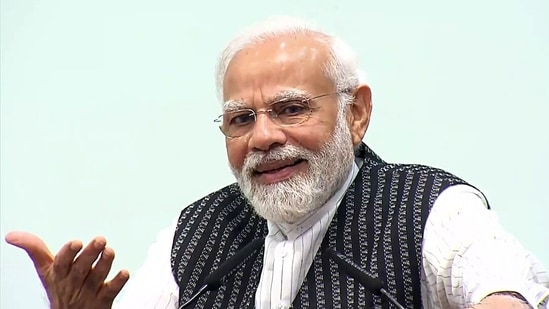
Prime Minister Narendra Modi has issued a strong advisory to citizens on strengthening cyber vigilance, warning that digital frauds are becoming increasingly sophisticated and can affect anyone—from students and professionals to senior citizens. In remarks delivered at a recent cybersecurity event, he emphasised the importance of personal responsibility, secure practices and digital hygiene in today’s connected world. (thenewsmill.com)
As India accelerates its transition to digital payments, online services, e-governance platforms and remote work, the Prime Minister cautioned that criminals are exploiting weaknesses in passwords, lack of two-factor authentication and poor data protection habits to perpetrate scams that can lead to financial loss and privacy breaches.
Certified Cyber Crime Investigator Course Launched by Centre for Police Technology
Key Cyber Safety Guidance From The PM
PM Modi outlined several proactive steps that individuals and organisations can take to shield themselves from rising digital fraud risks:
- Change passwords regularly — especially for banking, email, social media and government portal logins — to limit the window of opportunity for attackers.
- Use strong, unique passwords that combine letters, numbers and symbols, and avoid easily guessable patterns.
- Enable two-factor authentication (2FA) wherever possible to add a layer of security beyond just passwords.
- Avoid using the same password across multiple platforms, as compromise of one account can lead to broader breaches.
- Be cautious of unsolicited messages or links, especially those claiming to be from banks, government agencies or tech firms.
The Prime Minister also underscored the role of digital literacy in defence against online deception. “Security begins with awareness,” he said, urging citizens to educate themselves and their families about common scam tactics such as phishing, fake OTP requests, cloned websites and impersonation calls.
Why This Matters: Context Of Rising Digital Frauds
India has seen a sharp increase in cyber fraud incidents over the past few years, with police and enforcement agencies reporting thousands of complaints daily on the National Cyber Crime Reporting Portal. These include cases of bank account takeovers, unauthorised fund transfers, fake job and investment scams, digital extortion demands and impersonation of officials.
Law-and-order authorities and cybersecurity experts have repeatedly warned that the digital ecosystem—while offering convenience and economic opportunity—also provides fertile ground for fraudsters who constantly adapt their tactics. Weak or reused passwords are often the simplest entry point for sophisticated attacks. Changing passwords and following best practices can dramatically reduce vulnerability.
Collective Responsibility: Government, Industry And Citizens
PM Modi’s advisory reflects a broader push by the government to foster collective action against cybercrime. This includes collaboration between law enforcement, financial institutions, tech companies and citizens to share threat information, flag suspicious activity, and build resilient systems.
His comments also align with recent initiatives by the Supreme Court, enforcement directorates and cybercrime units across India that advocate public awareness campaigns, legal deterrence, and specialised cyber divisions within police forces to counter fraud.
Authorities emphasise that while technology platforms continue to improve security mechanisms, user behaviour remains the first line of defence. Simple habits such as regular password changes, cautious clicking, and scepticism of unsolicited messages can significantly lower the risk of falling victim to digital scams.
About the author – Ayesha Aayat is a law student and contributor covering cybercrime, online frauds, and digital safety concerns. Her writing aims to raise awareness about evolving cyber threats and legal responses.
