

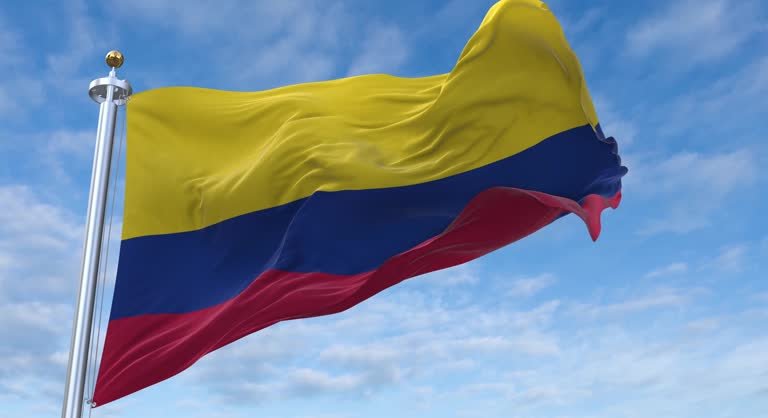
Amid escalating tensions between the United States and Latin America, Gustavo Petro on Monday issued one of his strongest and most provocative statements yet, warning that he would be prepared to “take up arms again for the country” if threats from Donald Trump continue.
Petro’s remarks come in the wake of a US military operation in neighbouring Venezuela, during which President Nicolás Maduro was taken into custody.
Posting on social media platform X, Petro said: “I swore never to touch a weapon again… but for the homeland, I am ready to take up arms once more.” The statement has triggered widespread international concern and sharp diplomatic reactions.
Final Call: FCRF Opens Last Registration Window for GRC and DPO Certifications
Direct confrontation over Venezuela operation
The Colombian President accused the Trump administration of carrying out a “military action without any legal basis” in Venezuela, describing Maduro’s detention as an abduction and a violation of international law and national sovereignty.
Petro has repeatedly criticised Washington’s Venezuela policy in recent months, arguing that the use of military pressure and sanctions is destabilising the region. According to him, such actions are deepening political volatility across Latin America and directly affecting regional security.
Trump’s incendiary remarks
Petro’s warning follows a series of inflammatory comments from President Trump, who publicly told the Colombian leader to “watch his back” and described him as “a sick man who likes making cocaine and selling it to the United States.”
The remarks were widely condemned in Colombia, particularly as Petro is the country’s first-ever leftist president. Responding sharply, Petro rejected the allegations outright, saying they were not just an insult to him personally, but an affront to Latin America’s democratic leadership as a whole.
Former guerrilla past adds gravity
Petro’s comments have drawn heightened scrutiny because of his former guerrilla background. In his youth, he was associated with the M-19 rebel movement before entering mainstream democratic politics and eventually becoming president.
While analysts believe his statement was largely symbolic, they note that it carries a powerful political and diplomatic signal. “This is a warning, not a declaration of war—but it is a very sharp one,” said a regional political analyst.
Experts say Petro is signalling that continued US military pressure could push Latin American nations towards coordinated resistance, at least at the diplomatic level.
Signs of widening regional tension
The US action in Venezuela has already pushed regional tensions to a boiling point, and Colombia’s response suggests the crisis is no longer confined to Washington and Caracas alone. Diplomats warn that continued escalation could fuel broader geopolitical instability across Latin America.
In diplomatic circles, Petro’s remarks are being seen by some as a direct challenge to US authority, while others view them as an attempt to consolidate domestic and regional political support amid an unfolding crisis.
What lies ahead
For now, the Colombian government has announced no formal military measures. However, Petro’s language makes it clear that the Venezuela crisis has expanded into a larger debate over global power balance, sovereignty and intervention.
As rhetoric sharpens between the United States, Venezuela and now Colombia, the international community is watching closely to see whether the confrontation moves toward diplomatic de-escalation—or slides further into a deeper regional crisis.
