

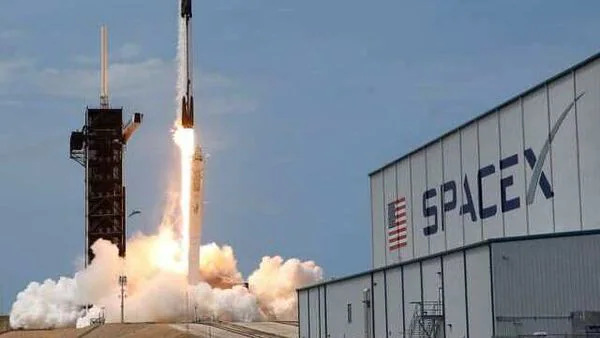
A group of U.S. lawmakers has urged the Pentagon to carry out an immediate review of SpaceX following allegations that Chinese investors may have quietly acquired stakes in the closely held aerospace firm, raising potential national security concerns.
In a formal communication to the Department of Defense, Democratic senators cautioned that any undisclosed Chinese ownership—direct or indirect—could trigger stringent U.S. rules governing Foreign Ownership, Control or Influence (FOCI). Such rules are designed to prevent foreign entities from gaining access to sensitive information, technologies or defence-linked operations.
Certified Cyber Crime Investigator Course Launched by Centre for Police Technology
National security implications under focus
The lawmakers said the alleged investments warrant urgent examination because of SpaceX’s extensive involvement in national security launches, military communications and sensitive satellite programmes. SpaceX is a major contractor for the U.S. government, providing launch services and space-based capabilities that are integral to defence and intelligence operations.
“If substantiated, even limited foreign ownership linked to China could pose unacceptable risks,” the senators warned, noting that FOCI regulations exist precisely to guard against covert influence in strategically critical firms.
Why SpaceX matters to U.S. defence
Founded and led by Elon Musk, SpaceX has become a cornerstone of America’s modern space and defence ecosystem. The company launches satellites for the Pentagon, supports missile warning and reconnaissance missions, and plays a central role in maintaining U.S. space superiority.
Given this footprint, lawmakers said any ambiguity around ownership structure or investor provenance must be addressed transparently. They stressed that defence contractors are expected to maintain clear and verifiable ownership disclosures, especially when operating at the cutting edge of aerospace and defence technology.
Allegations prompt calls for transparency
The senators’ letter does not publicly name specific investors but points to concerns that Chinese-linked capital may have entered SpaceX through complex financial vehicles or intermediary structures. Such arrangements, they warned, could obscure ultimate beneficial ownership and undermine regulatory oversight.
They urged the Pentagon to determine whether existing safeguards are sufficient and whether SpaceX has fully complied with disclosure requirements related to foreign investment.
FOCI rules and potential consequences
Under U.S. law, companies subject to FOCI concerns may face additional oversight, restrictions on access to classified information, or mandatory mitigation measures. In severe cases, contracts can be restructured or suspended if risks cannot be adequately managed.
Lawmakers said the review should assess not only ownership but also governance, information firewalls and internal controls to ensure that no foreign actor can exert influence—directly or indirectly—over sensitive operations.
No immediate response from SpaceX
As of publication, SpaceX has not issued a public statement responding to the senators’ request. The Pentagon has also not confirmed whether a formal review has been initiated, though officials indicated that concerns involving national security contractors are treated with seriousness.
Industry observers note that SpaceX, as a privately held company, is not subject to the same disclosure requirements as publicly listed firms, making regulatory vigilance especially important.
Broader scrutiny of strategic industries
The call for a review reflects heightened U.S. scrutiny of Chinese investment across sectors deemed critical to national security, including semiconductors, artificial intelligence, telecommunications and aerospace. Washington has increasingly moved to tighten oversight as geopolitical tensions between the two countries intensify.
What comes next
If the Pentagon proceeds with a full assessment, the findings could shape future compliance obligations for SpaceX and potentially influence how private defence contractors manage foreign capital. For now, the episode underscores a clear message from lawmakers: any hint of undisclosed foreign ownership in companies handling sensitive U.S. technologies will invite close and immediate scrutiny.
The outcome of the review, should it move forward, is likely to be watched closely—not only by the aerospace industry, but also by policymakers concerned about safeguarding America’s strategic and technological edge.
About the author – Ayesha Aayat is a law student and contributor covering cybercrime, online frauds, and digital safety concerns. Her writing aims to raise awareness about evolving cyber threats and legal responses.
