


Patna Police have busted an alleged overseas employment fraud racket accused of collecting large sums from job seekers by promising work in Gulf countries and preparing fake supporting documents for the process.
Police raided the office of Vaishali Travels Consultancy Service on the fifth floor of Chandi Vyapar Bhawan on Exhibition Road and arrested three people.
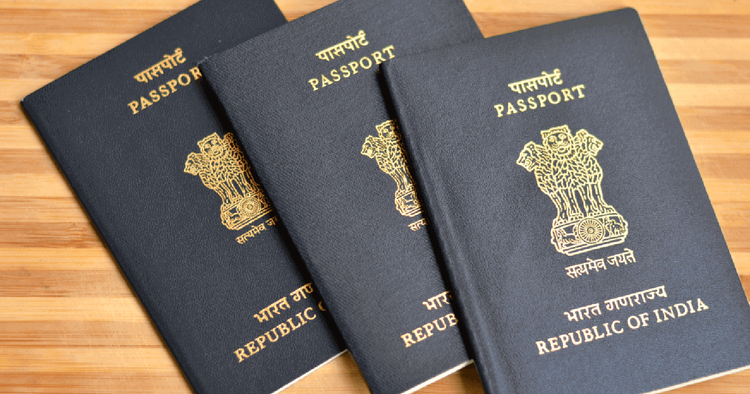
Investigators recovered more than 100 passports belonging to people from Bihar, Assam and other states, along with allegedly forged experience certificates, medical-related documents and fake interview letters.
Police suspect that more than 400 people may have passed through the consultancy’s overseas-job process.
FCRF Launches CP-FRM to Build India’s Next Generation of Fraud Risk Professionals
Job Seekers Allegedly Charged ₹2 Lakh to ₹3 Lakh Each
According to the preliminary investigation, the consultancy targeted people looking for employment abroad, particularly in Gulf countries.
The accused allegedly promised better salaries, quick visa processing and overseas placement.
Job seekers were reportedly charged between ₹2 lakh and ₹3 lakh each.
Police said additional amounts were allegedly collected for preparing passports and other documents needed for the purported recruitment process.
Investigators are now trying to determine how much money was collected in total and how many people were actually sent abroad.
Fake Experience Certificates and Interview Letters Seized
During the raid, police found documents that raised questions about whether the consultancy was manufacturing credentials for candidates.
These included allegedly fake experience certificates issued in the names of different institutions.
Police also recovered fake interview letters that may have been used to convince applicants that their recruitment process had progressed.
Booklets related to pathology tests were also seized.
Investigators suspect that medical documents required for overseas employment may have been prepared or manipulated as part of the operation.
The documents are now being verified.
More Than 100 Passports Found Inside Office
One of the most significant recoveries was a large number of passports belonging to different people.
Jagran reported that police seized 118 passports, while a separate Times of India report put the number at 108.
Police are verifying the passport holders and examining why the documents were being retained at the office.
The passports may help investigators identify people who paid the consultancy, the nature of the jobs they were promised and whether forged documents were submitted on their behalf.
Three Arrested From Consultancy Office
Jagran identified the arrested men as Tanveer Alam of Mahnar in Vaishali district, Shahid Anwar of Makhdumpur in Jehanabad and Tausif Alam of Gardanibagh in Patna.
The Times of India independently confirmed the arrest of three people but reported the second accused’s name as Tahir Anwar rather than Shahid Anwar.
That name discrepancy should be treated cautiously until police records provide a definitive identification.
Police described Tanveer Alam as the owner or operator of the consultancy.
Laptops, Phones and Cash Could Reveal Wider Network
Police seized three laptops, one CPU and five mobile phones from the office.
Jagran also reported the recovery of ₹1.44 lakh in cash.
Foreign currency was found as well, including seven Omani rials, 210 UAE dirhams and 1,000 Saudi riyals.
Investigators are examining the electronic devices for lists of applicants, payment records, conversations with agents and possible links to recruiters abroad.
Those records may help establish whether the consultancy was acting alone or was part of a larger network.
Police Probe Who Prepared the Documents
The investigation is now focused on the complete chain behind the alleged operation.
Police want to identify who brought job seekers to the consultancy, who collected their passports, who prepared the experience certificates and medical papers, and where the money ultimately went.
They are also examining whether genuine employers or overseas recruitment agents were ever involved.
The fake interview letters are particularly important because they may reveal whether candidates were being given fabricated proof that a foreign employer had selected them.
Questions Over More Than 400 Candidates
Jagran reported that the preliminary inquiry indicated more than 400 people may have been processed for overseas employment through the consultancy.
That does not necessarily mean all 400 were cheated.
Police still need to establish how many paid money, how many received genuine jobs, whether forged records were used in each case and whether applicants knowingly participated in submitting false documents.
The investigation remains at an early stage.
Why Fake Overseas Job Documents Are Dangerous
Overseas recruitment fraud can go beyond financial loss.
Applicants may unknowingly submit forged experience certificates, medical papers or employment documents to foreign authorities.
That can lead to visa rejection, immigration problems or legal consequences even if the candidate believed the consultancy was handling the process legitimately.
Job seekers should therefore independently verify both the recruiting agency and the foreign employer before handing over passports or making large payments.
They should also insist on copies of every document submitted in their name.
What this means for you
Never hand over your passport permanently to an overseas recruitment agent or pay several lakhs without verifying the agency, employer and visa process independently. Ask for written job offers and receipts, and check whether the recruiter is legally authorised to arrange overseas employment.
Follow for daily updates on cybercrime, corporate fraud, DFIR, hacking, investigations, and digital forensics
