
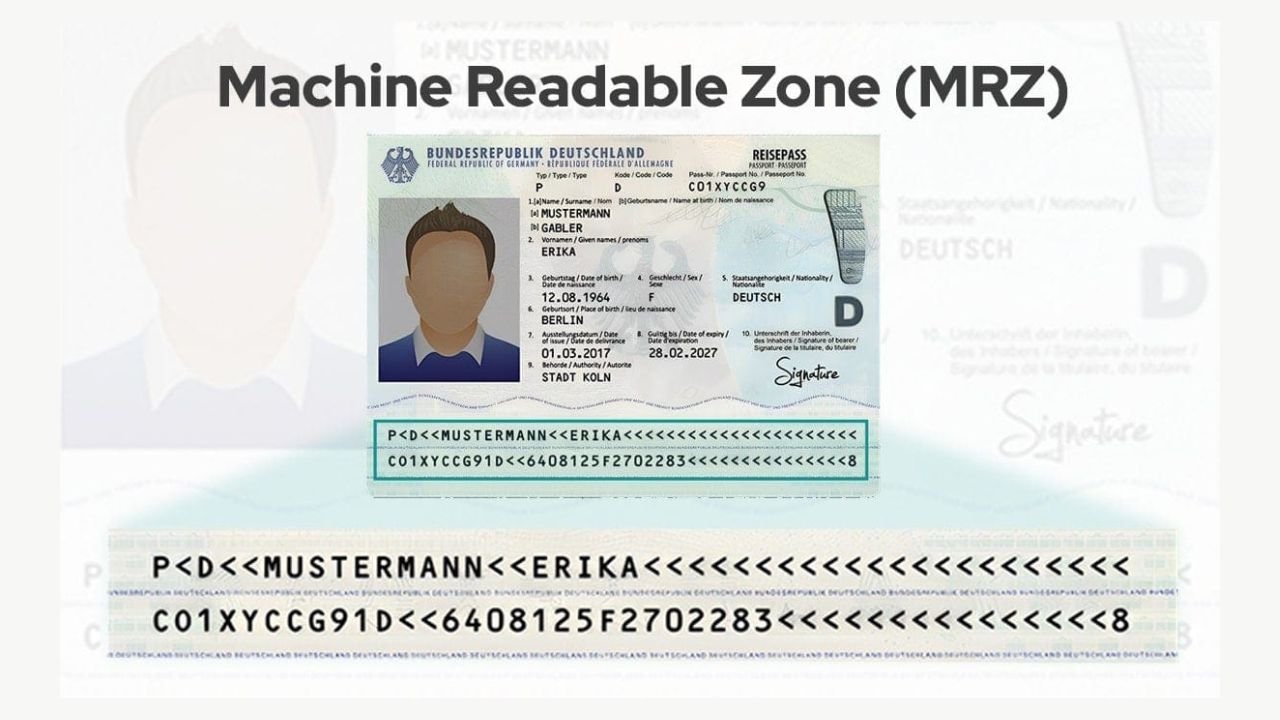

New Delhi | December 27, 2025 | Most international travellers focus on safeguarding their passport, tracking visa validity, and carrying photocopies of essential documents. However, law-enforcement and technology experts say one crucial element is often overlooked—the machine-readable barcode printed on the passport.
According to the Centre for Police Technology (CPT), this barcode is not merely a travel convenience. It functions as a vital data layer for digital verification, emergency identification, and cross-border coordination. Airlines, immigration systems, embassies, insurance providers, and police networks rely on this standardised data—especially when documents are lost or when fast and accurate verification is required during emergencies.
At a time when travel disruptions, stringent document checks, and digital verification have become routine, immediate access to accurate passport data can significantly reduce administrative delays and confusion. For Indian travellers in particular—where spelling variations, multiple given names, and formatting differences are common—a clear photo of the passport barcode can serve as a dependable reference in moments where precision is critical.
What the Passport Barcode Is—and Why CPT Considers It Important
The barcode printed on a passport is officially known as the Machine Readable Zone (MRZ). CPT’s technical assessment notes that the MRZ is designed for instant scanning by global systems, minimising manual data entry and reducing the risk of human error. It typically contains core identity details, including the passport number, full name, nationality, date of birth, expiry date, and issuing country code.
CPT points out that in police and immigration checks, the MRZ becomes especially important because even a single incorrect digit or spelling error can delay case verification, police reporting, or embassy procedures. Accurate MRZ data therefore improves both the speed and reliability of verification processes.
When a Photo of the Passport Barcode Is Practically Useful
1. Faster issuance of Emergency Certificates abroad
According to CPT, when a passport is lost or stolen overseas, Indian embassies require exact passport details before issuing an Emergency Certificate that allows the traveller to return home. A clear photo of the barcode consolidates all essential information in one frame, enabling faster verification and reducing repeated queries that can slow the process.
2. During foreign police reporting
In many countries, filing a police report is mandatory before approaching an embassy. CPT notes that incorrect data can invalidate such reports. A barcode photo ensures accurate identifiers, making police reporting smoother—particularly when travellers face unfamiliar legal systems or language barriers.
3. When the original passport is temporarily deposited
Travellers may need to temporarily submit their passport for visa formalities, hotel registration, or embassy procedures. During this period, MRZ data can bridge an operational gap by supporting airline coordination, insurance communication, or police checks—without replacing the original document.
4. In digital travel and police verification
CPT has underlined that modern travel and policing systems are increasingly data-driven. Online check-ins, insurance claims, and cross-border verification depend on precise passport data. Referring to MRZ information helps reduce name mismatches and record errors, particularly for Indian passport holders.
How to Store the Barcode Photo Securely
- CPT cautions that usefulness must be balanced with data security.
- Store the image in a password-protected or biometric-locked folder or notes app
- Avoid unnecessary sharing
- Keep a password-secured cloud backup
- Never upload the image to public or unverified platforms
What It Is Not
CPT makes it clear that a barcode photo does not replace the original passport. Immigration and border control authorities will always require the physical document. The image serves only as a supporting reference to aid accuracy and speed during verification or emergencies.
