


Karachi: The United States has ordered the withdrawal of non-essential personnel from its consulates in Karachi and Lahore after violent protests erupted across several Pakistani cities in the wake of reports confirming the killing of Iran’s Supreme Leader, Ayatollah Ali Khamenei.
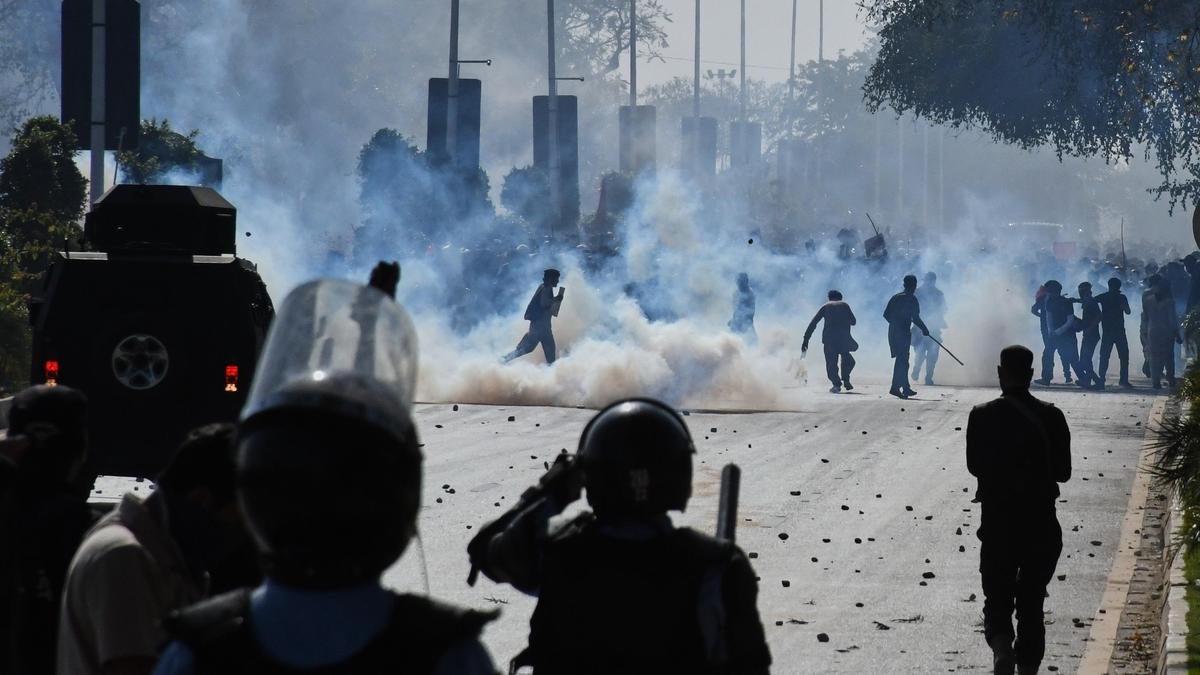
The precautionary move comes amid mounting security concerns and rapidly deteriorating law and order in parts of the country. Demonstrations outside American diplomatic missions intensified over the weekend, with large crowds gathering, chanting slogans and clashing with security forces.
FCRF Launches Flagship Certified Fraud Investigator (CFI) Program
In Karachi, protests outside the US Consulate turned violent on Sunday. Pakistan Senate opposition leader Allama Raja Nasir Abbas alleged that 18 people were killed and around 40 injured after firing reportedly took place near the diplomatic compound. The claims, however, could not be independently verified at the time of publication.
According to agency reports, at least 34 people have died nationwide in protest-related violence, while more than 120 have sustained injuries in clashes between demonstrators and security personnel. Karachi, Lahore, Islamabad and Gilgit remain tense, with sporadic incidents of arson, road blockades and stone-pelting reported through the day. Visuals from Gilgit showed smoke rising near the United Nations office complex, underlining the gravity of the unrest.
The protests were triggered by reports that Ayatollah Ali Khamenei, 86, was killed during a joint US-Israel strike on Iran on February 28. Revered by millions of Shia Muslims worldwide, Khamenei’s death sent shockwaves across the region, particularly in countries with sizeable Shia populations, including Pakistan.
Within hours of the news breaking, thousands took to the streets in major Pakistani cities. What began as demonstrations of mourning quickly escalated into confrontations. Protesters torched vehicles, blocked highways and attempted to march towards sensitive diplomatic zones. Security forces were deployed in large numbers to prevent further escalation, but clashes continued in pockets through the night.
Analysts say the developments reflect deep-seated emotional and political reactions among sections of the population. Pakistan’s significant Shia community has historically maintained religious and cultural ties with Iran, and the killing of a figure as prominent as Khamenei has amplified sentiments on the ground.
The fallout has not been confined to Pakistan. In Iraq, protests were reported near the US Embassy compound, while in Lebanon, the Iran-backed group Hezbollah launched missiles towards Israel after more than a year of relative calm. These incidents have further heightened fears of a broader regional confrontation.
Diplomatic observers believe the US decision to scale down its presence in Karachi and Lahore signals serious concern over staff safety. Temporary relocation of non-essential personnel is seen as a preventive measure while authorities assess evolving threats.
Meanwhile, Pakistani authorities have appealed for calm, urging citizens to refrain from violence and maintain peace. Additional deployments have been made in sensitive areas, and security has been tightened around foreign missions and key government installations.
With tensions in West Asia showing no immediate signs of easing, the situation remains fluid. The coming days are expected to be critical as governments across the region monitor developments and brace for possible ripple effects. For now, Pakistan finds itself grappling with unrest at home amid an increasingly volatile geopolitical landscape abroad.
