

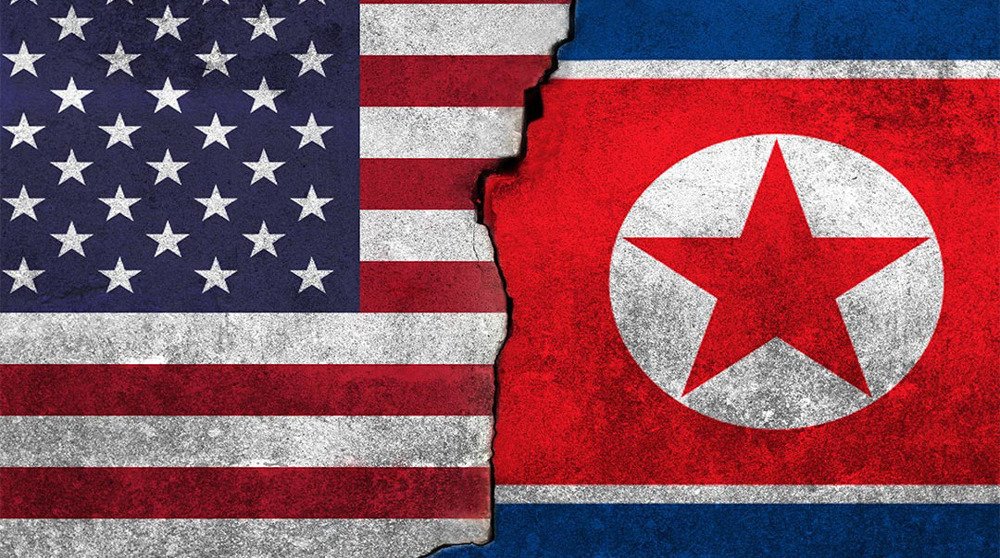

North Korea has strongly rejected recent joint cyber threat advisories issued by the United States, South Korea, and Japan, framing the warnings as a deliberate effort to slander its international image and justify Western cyber hegemony. In an official statement carried by state news agency KCNA, the DPRK’s cyber defense authorities characterized allegations regarding state-sponsored hacking operations as fabricated political propaganda designed to deflect attention from Washington’s own global surveillance operations.
The diplomatic response follows a series of coordinated warnings released by intelligence agencies in Washington, Seoul, and Tokyo. The joint advisories alerted international organizations and financial institutions to ongoing malicious cyber activities attributed to North Korean threat groups, including Lazarus Group and Kimsuky. Regulators warned that these state-backed actors continue to target defense contractors, cryptocurrency exchanges, and critical infrastructure to bypass international sanctions and gather strategic intelligence.
Allegations of Western Cyber Hegemony and Double Standards
In its rebuttal, Pyongyang asserted that the United States and its regional allies are using cyber threat claims to construct a pretext for aggressive cyber operations against sovereign states. State media highlighted historical revelations regarding US intelligence gathering, arguing that Washington operates the world’s most pervasive cyber espionage network while falsely accusing other nations of destabilizing cyberspace.
Pyongyang maintained that its digital capabilities are purely defensive and aimed at safeguarding national sovereignty against hostile foreign forces. The foreign ministry statement warned that trilateral cyber coordination between the US, South Korea, and Japan increases regional military tensions, warning that North Korea will take necessary countermeasures to protect its digital borders and strategic assets.
Tensions Over Sanctions Evasion and Digital Asset Theft
The exchange highlights escalating friction over North Korea’s alleged use of cyber operations to finance its weapons programs. Western intelligence agencies and United Nations panel reports contend that North Korean state-backed hackers have exfiltrated billions of dollars in digital assets and cryptocurrency to fund state initiatives and bypass international trade restrictions.
As Washington, Seoul, and Tokyo strengthen their trilateral cyber defense framework, Pyongyang’s formal rejection signals that digital confrontation will remain a central flashpoint alongside physical military posture in the Asia-Pacific region. Both sides continue to expand their defensive and offensive cyber capabilities, making cyberspace a primary arena for geopolitical maneuvering in East Asia.
Follow for daily updates on cybercrime, corporate fraud, DFIR, hacking, investigations, and digital forensics
